









 INFRA
INFRA
INFRA
INFRA
INFRA

Starting today, the 3 million organizations that rely on G Suite should have an easier time protecting their cloud-based records.
Google is rolling out new administrative controls for the suite of productivity apps that are aimed at reducing the risk of workers misplacing business information or falling victim to data theft. The most wide-reaching change affects G Suite’s two-factor authentication system. Companies can now require workers to use physical Security Keys, pre-configured flash drives that act as a secondary verification mechanism, when logging into their accounts.
Google’s goal is to make users less susceptible to phishing attacks. To breach a G Suite account protected by a Security Key, hackers would not only need to steal the targeted user’s login credentials but also commit physical theft, which takes vastly more effort than the average attacker is willing to expend.
The improved authentication feature is complemented by a number of enhancements to the individual services in the suite. For Gmail, Google is adding integration with its BigQuery data warehouse that will enable administrators to analyze user activity trends. The platform can be used to create dashboards for tracking the number of emails that a company’s workers send per day, the addresses where they’re sent and other key operational metrics.
More important, BigQuery makes it possible to track incidents when workers violate file sharing policies. Administrators can set usage restrictions through a mechanism called Gmail Data Loss Protection that can automatically detect sensitive data in an email and block it from being sent. A financial services firm, for instance, could use the feature to prevent employees from sharing clients’ account information with peers who don’t have the necessary access permissions.
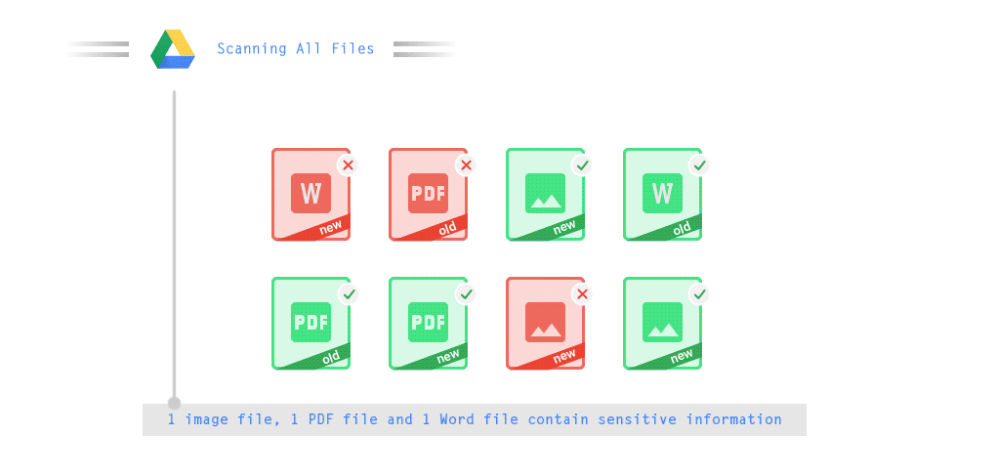
Companies can now also enforce such rules on data in Google Drive. From a certain standpoint, the ability to restrict what can be kept in shared folders is even more important than regulating emails, since they often contain a lot more information. Having fine-grained control over workers’ collaboration activities is especially important since a lot of companies actively share data with partners, which creates a heightened risk of records ending up somewhere they’re not supposed to.
The sharing controls and other features that Google debuted today are available as part of a new Enterprise Edition of G Suite. It also comes with several smaller perks, including the ability for companies to protect Gmail accounts with their own S/MIME certificates rather than the built-in encryption. The addition should put Google in a much better position to compete with Microsoft Corp.’s dominant Office 365 suite over large corporate accounts.
Support our mission to keep content open and free by engaging with theCUBE community. Join theCUBE’s Alumni Trust Network, where technology leaders connect, share intelligence and create opportunities.
Founded by tech visionaries John Furrier and Dave Vellante, SiliconANGLE Media has built a dynamic ecosystem of industry-leading digital media brands that reach 15+ million elite tech professionals. Our new proprietary theCUBE AI Video Cloud is breaking ground in audience interaction, leveraging theCUBEai.com neural network to help technology companies make data-driven decisions and stay at the forefront of industry conversations.