









Guest Author
Latest from Guest Author
GUEST COLUMN
Bringing the cyber community into the battle against agentic insecurity at RSAC 2026
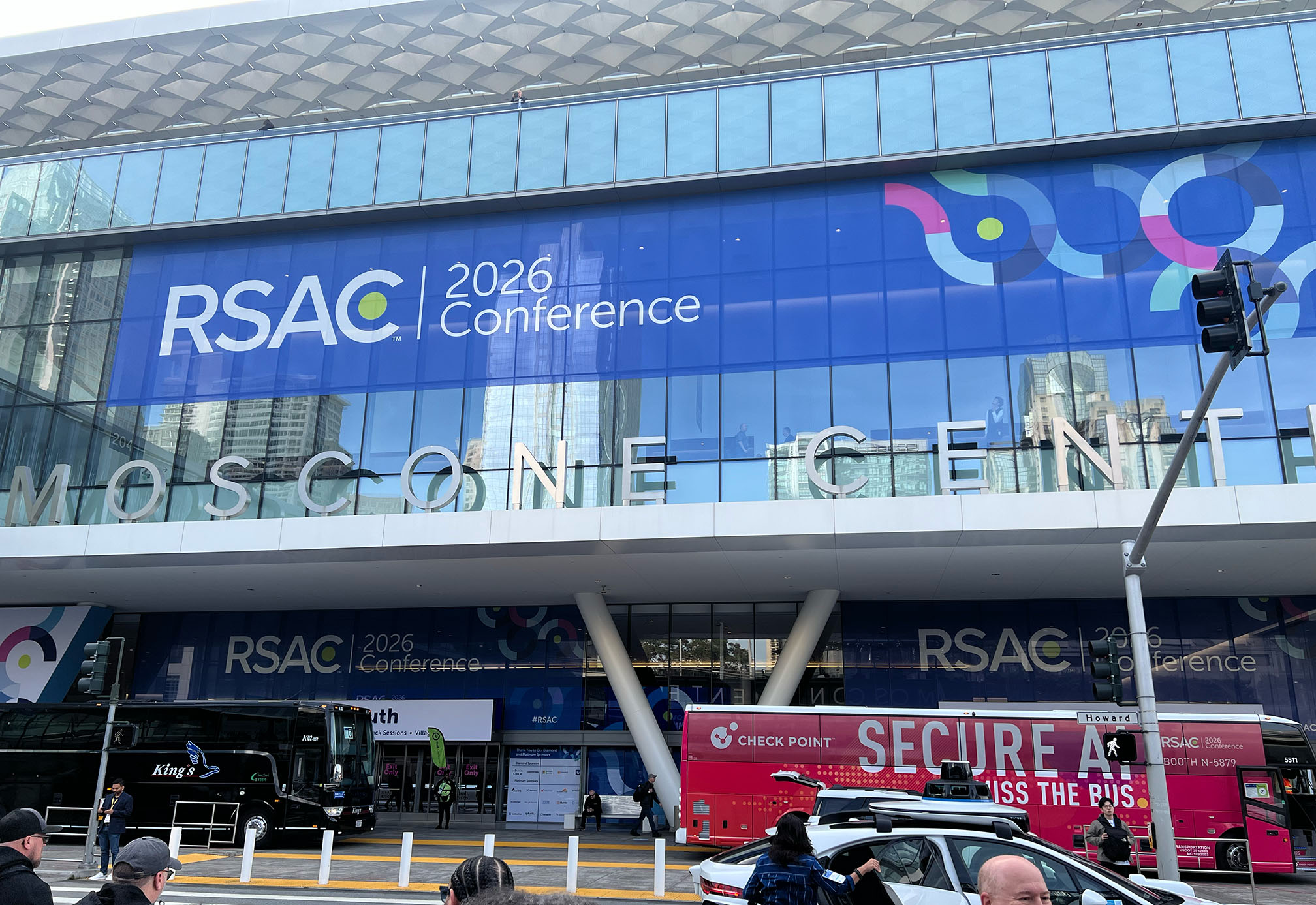
At the RSAC2026 Conference, practitioners and vendors came together to hear a new story focused less on prevention, and more on adaptation ahead of the inevitability of change brought on by the rapid enterprise adoption of agentic artificial intelligence coding agents and autonomous automation — whether the cybersecurity community is ready for it or not. “This ...
Scaling industrial AI is more a human than a technical challenge

Industrial artificial intelligence has moved from promise to practice. A Cisco Systems Inc. survey of 1,000 industry leaders found that 61% of organizations across manufacturing, transportation and utilities are deploying AI to improve productivity, reduce costs and strengthen operational resilience. Yet despite this momentum, only 20% have reached truly scaled, mature adoption. The technology is ...
BREAKING ANALYSIS
The agentic AI gap: Vendors sprint, enterprises crawl
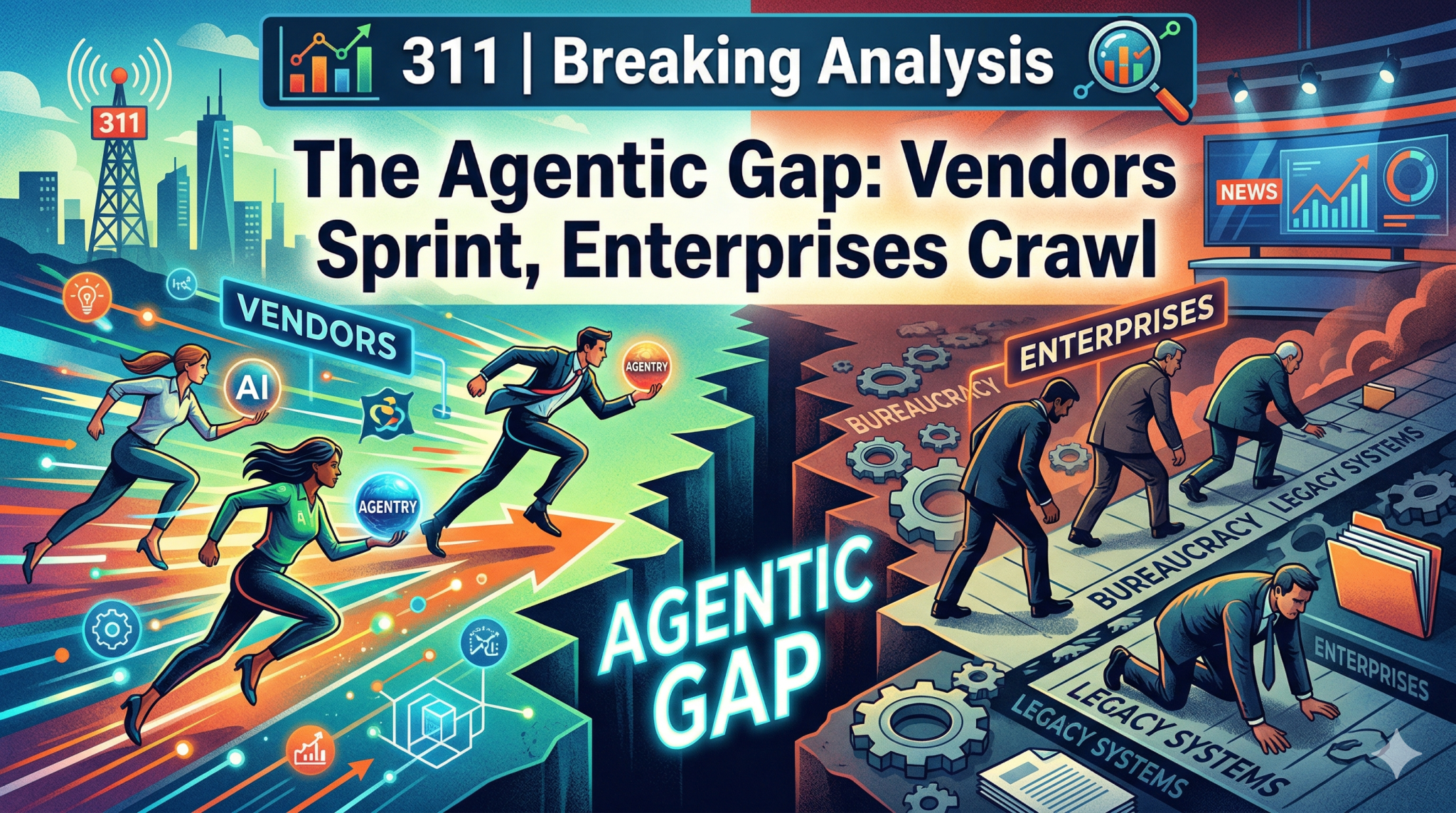
The geopolitical dislocations ripping through the stock market are filtering down to information technology budgets in the form of increased uncertainty. It seems that every quarter of budget optimism is followed with some external event that causes organizations to tighten their belts. Specifically, we’ve seen the increased momentum from January’s chief information officer sentiment survey ...
ANALYSIS
From cloud native to AI native: The role of context density
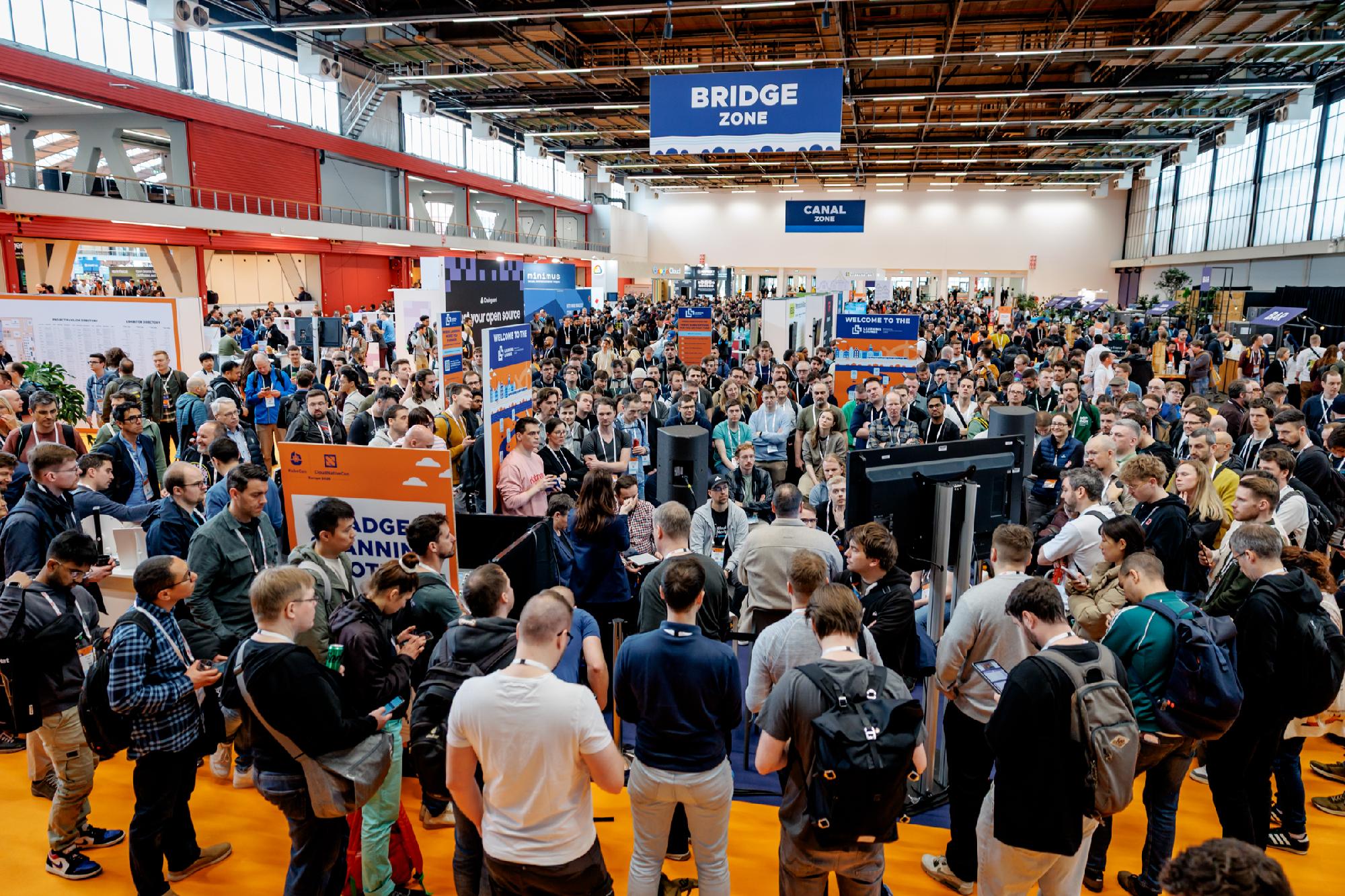
As with the rest of the technology landscape, artificial intelligence – and in particular, agentic AI – came to dominate the conversations at the Cloud Native Computing Foundation’s recent flagship event, KubeCon + CloudNativeCon Europe 2026. In fact, AI is so pervasive that cloud-native computing is giving way to AI-native computing: the application of cloud ...
BREAKING ANALYSIS
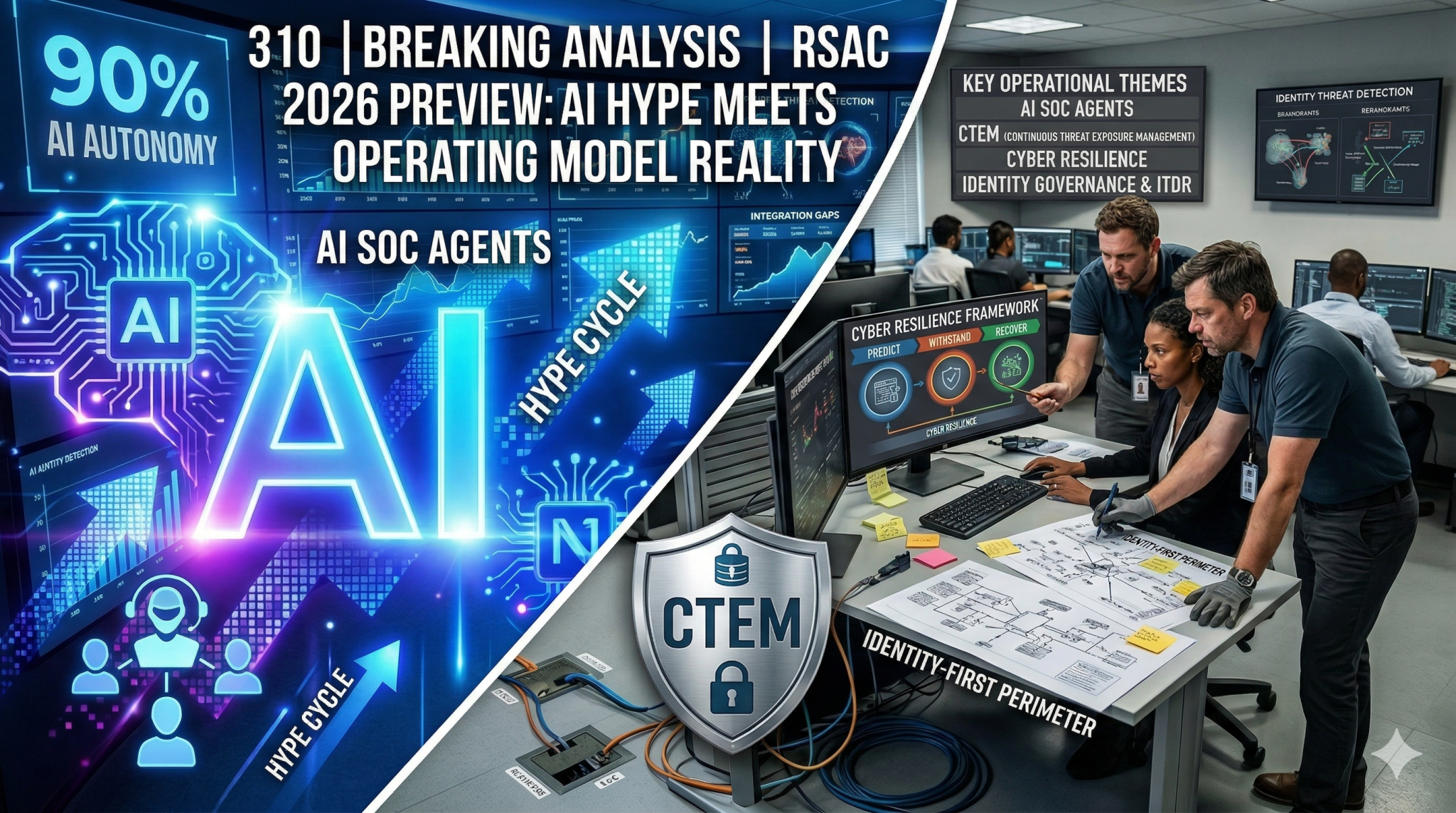
RSAC 2026: AI hype meets operating model reality
We know that the RSAC 2026 cybersecurity conference this week in San Francisco is going to be an artificial intelligence-heavy show. And though we’re going to hear the “AI will change everything” narrative, our premise is that security leaders are being asked to put AI into operation in an environment where complexity is rising faster ...
Why network as a service is gaining momentum in the distributed enterprise

Network as a service is emerging as a critical enabler for enterprises navigating distributed architectures, hybrid cloud environments and the growing demands of AI-driven workloads. As organizations move applications, data and analytics across cloud platforms, edge locations and data centers, the role of the network shifts from static infrastructure to a dynamic platform that can ...
GUEST COLUMN
Uncovering innovation amidst the noise of MWC
Once again, artificial intelligence dominated the buzz at this year’s MWC Barcelona, formerly called Mobile World Congress. From smartphones to satellites, networks to applications, no vendor or service provider could resist the lure of AI. My challenge: Sort through the thousands of exhibitors to uncover stories of innovation that might otherwise get lost amidst the ...
BREAKING ANALYSIS

Telcos’ last chance: Why the edge becomes hyperconverged
Our main thesis coming out of MWC 2026 is that the telecommunications industry is staring at a once-in-a-generation infrastructure reset. Carriers poured billions into 5G spectrum, fiber expansion and network modernization on the promise that faster networks would unlock new enterprise revenue. Bandwidth rose, margins didn’t. Connectivity got more reliable, but at the same time, ...
BREAKING ANALYSIS
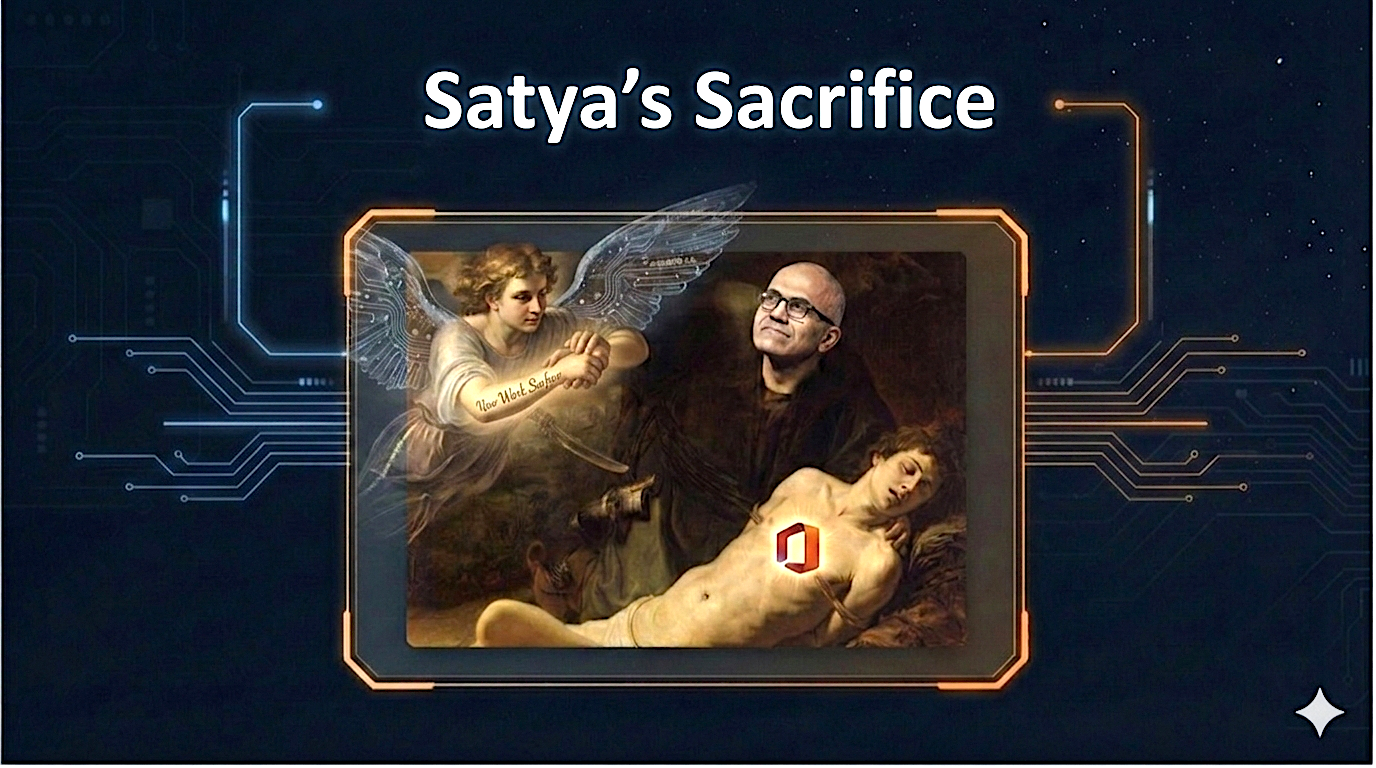
Satya’s sacrifice: Why agents threaten Office and how Microsoft responds
Last year, Microsoft Corp. Chief Executive Satya Nadella made the claim that “SaaS will dissolve into a bunch of agents” sitting on top of CRUD databases. In describing how software-as-a-service applications will become artificial intelligence agents atop standard “create, read, update and delete” databases, he was actually trolling Salesforce Inc. CEO Marc Benioff, who had called Microsoft’s ...
GUEST COLUMN
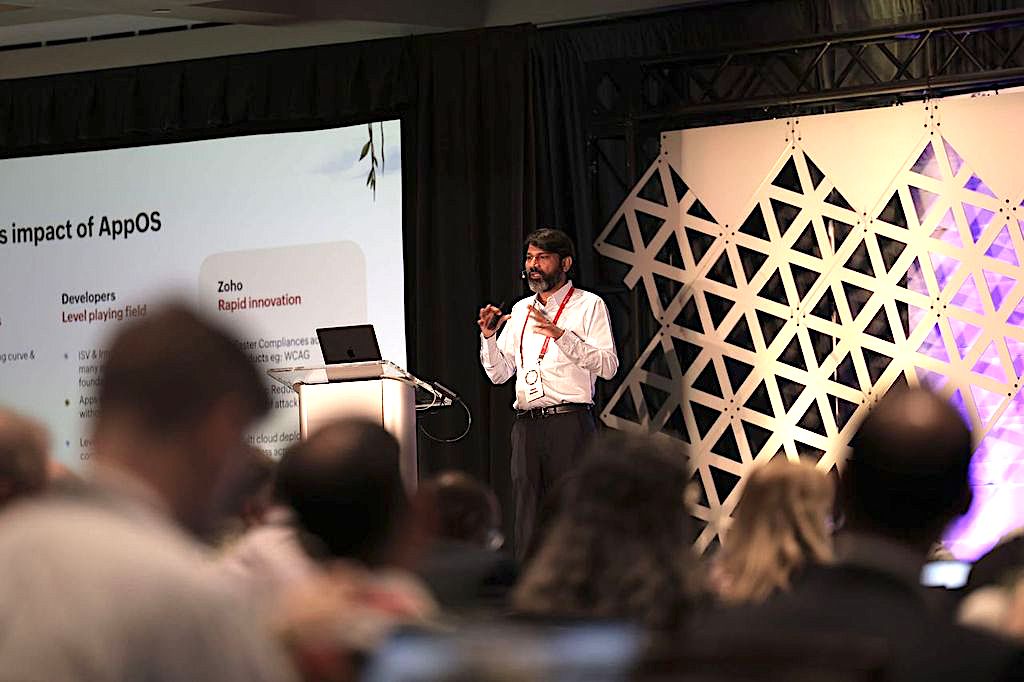
Hitting stride with AppOS, AI and low-code automation at ZohoDay 2026
Joining colleagues of all specialties at my fifth ZohoDay analyst event over the years, I knew what to expect: Direct interaction with customers and executives, evidence of continued growth and innovation, and another strategy to unify everything. I wasn’t wrong, but as Zoho Corp. celebrated its 30th anniversary as a bootstrapped, privately held company that has ...