





 HP’s webOS downfall was a great opportunity for Research-in-Motion (RIM) to position themselves as a market leader. But it seems they may just suffer a fate similar to HP’s mobile OS efforts. Reports on a possible takeover have been circulating ever since RIM experienced multi-year stock lows, malfunctioning network services and unsuccessful product launches. The numbers are declining and confidence is fleeting. The concern has grown, and is already attracting the eyes of suitors, namely Nokia and Microsoft. However, RIM executives are not flirting with the idea of selling just yet, leaving no stone unturned.
Why RIM Can’t Let Go
The Canadian government has fastened a strong grip on the idea to not let foreigners buy stocks of their home-grown companies. This is one of the reasons why Jim Balsillie and Mike Lazaridis are resisting and rejecting buyout proposals. RIM is a source of pride for the country. The mobile brand has invaded several parts of the world and become a strong favorite in the business community.
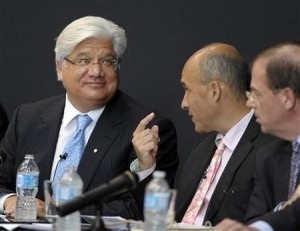
In the midst of all the sad stories and comments on the beleaguered mobile giant, Balsillie hangs tight in the corner saying, “It is important for you to know that Mike and I, as two of RIM’s largest shareholders, understand investor sentiment, and we are more committed than ever to addressing the issues at hand.” The statement was made prior to the announcement that they had cut their salaries to $1 a year.
Is RIM Still An Attractive Target?
RIM carries a baggage loaded with months of network outages and plummeting shares. But the Ontario-based corporation remains “sellable.” RIM has a wide base of users around the world, which is estimated at 75 million. Blackberry is undeniably a strong brand for business organizations, especially security-loving customers. Most law enforcement agencies and financial institutions prefer to use their Blackberry device when transacting business-related matters.
Meet Me at the Crossroad
Since acquisition speculations began to emerge, there have been a handful of companies who expressed interest in doling out billions for a possible buyout. Early contenders included Microsoft, Nokia and Amazon. Now, Chinese giant ZTE and social networking mogul Facebook have been mentioned as well.
RIM is at a crossroads. After the introduction of the acutely flawed Blackberry Playbook, RIM is now betting on Blackberry 10. This spells their “make-or-break” day.
Support our mission to keep content open and free by engaging with theCUBE community. Join theCUBE’s Alumni Trust Network, where technology leaders connect, share intelligence and create opportunities.
Founded by tech visionaries John Furrier and Dave Vellante, SiliconANGLE Media has built a dynamic ecosystem of industry-leading digital media brands that reach 15+ million elite tech professionals. Our new proprietary theCUBE AI Video Cloud is breaking ground in audience interaction, leveraging theCUBEai.com neural network to help technology companies make data-driven decisions and stay at the forefront of industry conversations.