


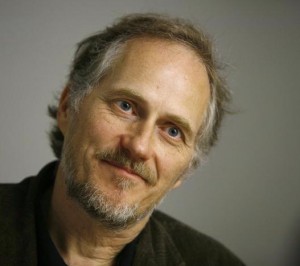
 Just as the PC revolution was about hardware becoming commoditized and inexpensive and software becoming rare and very valuable, the Big Data revolution is about software becoming inexpensive – in many cases free – while data has become the new major source of value. Big Data has had a major impact on the financial industry for a decade, but now its impact is being felt in unexpected areas, Tim O’Reilly, founder and CEO of O’Reilly Media said in an interview in the SiliconAngle Cube from the O’Reilly Strata Conference in the Santa Clara Convention Center.
For instance, he said, YouTube is becoming “a huge resource for music. I heard of a major pop star who is making more money from YouTube than from iTunes.” That money is coming from ads attached to music video uploads. And YouTube owner Google places those ads based on instant Big Data analysis.
While the next major innovation in Big Data use will probably come out of left field, “the smart companies will bring together several things.” Square, for instance, started with predictive modeling and then brought out the credit card reader for smartphones. Today if you have the Square app on your smart phone and you walk into a store equipped with a Square-enabled cash register, you face pops up on the cash register screen. When you check out you just have your purchases scanned, and the cost is automatically charged to your pre-authorized credit card without having to get out your card and sign a receipt.
“What Square represents is huge,” he says. The important question often is what can you eliminate if you have enough data and use it in a smart way.
Of course, as in the PC era, nothing will be easy, and not every company will be successful. Some companies with good ideas that attack an entrenched business methodology will fail, and five years later people will look at those companies and say, “They had everything right.”
And Big Data will have major impacts throughout society. Privacy is going to be a big issue, and while it will still exist, it will take a different form. You won’t be able to defend your privacy by punishing people for collecting data on you. The focus will shift to punishing people for doing bad things with that data.
And that, he said, is going on today. The 2008 financial crisis was created by “black-hat data scientists” who put together derivatives that they knew would fail but that let them make huge amounts of money in the shot term.
He said that people should not equate Strata with Big Data. “I see it as a data science event. It focuses on how we can get useful meaning from data of any size, how we can use software to extract meaning from the data people create while using computing in increasingly pervasive ways.”
Support our mission to keep content open and free by engaging with theCUBE community. Join theCUBE’s Alumni Trust Network, where technology leaders connect, share intelligence and create opportunities.
Founded by tech visionaries John Furrier and Dave Vellante, SiliconANGLE Media has built a dynamic ecosystem of industry-leading digital media brands that reach 15+ million elite tech professionals. Our new proprietary theCUBE AI Video Cloud is breaking ground in audience interaction, leveraging theCUBEai.com neural network to help technology companies make data-driven decisions and stay at the forefront of industry conversations.