


 NEWS
NEWS
NEWS
NEWS
NEWS

 The rise of Big Data has given the enterprise plenty of food for thought over the last few years, but big business isn’t the only industry that this phenomenon has been eating away at. From the latest trends in restaurant cuisines to food production and safety issues, Big Data is taking a very big bite out of the food industry.
Big Data’s Got A Big App-etite
On the consumer side of things, Big Data is powering a plethora of apps to help people decide what to eat, where to shop and dine, and how to stick to their diets. One of the most useful tools around has to be Fooducate, which scans barcodes to analyze their ingredients and help consumer’s look past the blatant lies on the label. It’ll tell you exactly what’s healthy and what’s not about any item on the supermarket shelves – a must-have app for anyone who cares about their health.
Gojee is also worth a mention, and will come in handy for anyone whose cupboard is looking a little bare. Simply tell it what ingredients you have in stock, and the app will use Big Data to cook up a list of recipes based on whatever you have to hand. On the flip side, there’s also plenty of apps for those who make money from their food.
Restaurateurs can gain tons of insights from FoodGenius, an app that analyzes dining trends on a regional or national basis. The idea behind FoodGenius is that it helps restaurants to gauge how popular a new dish might be, and to let them know how much they should be charging for it. It can pull data from the web to quickly let you know the average cost of caviar-based dishes in New York City for example, or else gauge the popularity of venison paired with apples and sage in Kentucky restaurants.
Can Big Data Feed The World?
 What with the world’s population projected to grow to nine billion souls by 2050 (according to the UN), the development of more efficient food production techniques is something that’s sure to high on the agenda in coming years.
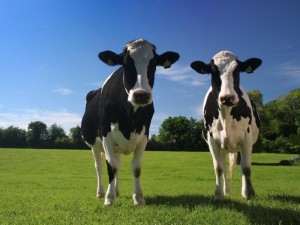
In all likelihood, it’ll be Big Data that serves up the answer. We’re already seeing it play an important role in many food creation processes, most especially down on the farm. In agriculture for example, farmers can use Big Data tools to assess the condition of their soil and decide which crops will grow best under certain conditions. Meanwhile, dairy farmers can use Big Data apps to help keep tabs on their cow’s health, something that’ll help to ensure a that only the juiciest of steaks end up on our plates.
Then there’s the food safety aspect – with over 3,000 deaths in the US linked to food poisoning each year, it’s a relief to know that the Centers for Disease Control Prevention is working with restaurants and food producers to track down the source of contamination – using Big Data analysis to scour the supply chain for answers.
Big Data’s Recipe for Success
There’s a good reason why Big Data is serving us so well when it comes to all things food, and its got nothing to do with us being greedy pigs.
Rather, the solutions listed above all have one thing in common – they’re all dead easy to use, and that’s the key to Big Data’s successful adoption no matter what industry we’re talking about. By providing simple solutions to big problems, whether its doing your weekly shop or managing the overheads of a multi-million dollar project, Big Data has all the ingredients to transform our world.
Support our mission to keep content open and free by engaging with theCUBE community. Join theCUBE’s Alumni Trust Network, where technology leaders connect, share intelligence and create opportunities.
Founded by tech visionaries John Furrier and Dave Vellante, SiliconANGLE Media has built a dynamic ecosystem of industry-leading digital media brands that reach 15+ million elite tech professionals. Our new proprietary theCUBE AI Video Cloud is breaking ground in audience interaction, leveraging theCUBEai.com neural network to help technology companies make data-driven decisions and stay at the forefront of industry conversations.