



 More than 1.7 million people in the United States suffer traumatic brain injury (TBI) each year from causes ranging from concussions to bullet wounds according to the Centers for Disease Control. Of those, about 52,000 die, 275,000 are hospitalized, and 1.367 million are treated and released from an emergency department. TBI is a contributing factor in nearly one-third of injury-related deaths. A significant number of these patients die or suffer serious brain injury while in the hospital due to sudden rises in pressure in the brain. Today these patients are continuously monitored for changes in vital signs, but nurses are alerted by the bedside alarm only after brain pressure crosses a critical threshold, which in some cases is too late to prevent further permanent damage or death.
Now in program announced today (March 13, 2013) new Big Data technology from IBM is being used at the UCLA Medical Center to predict these changes earlier and better, allowing earlier intervention that provides a better chance of preventing those follow-on injuries and deaths in a program funded by a $1.2 million grande from the National Institute of Neurological Disease and Stroke. That means better outcomes for patients.
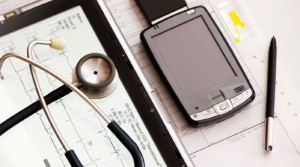
The IBM InfoSphere Streams technology is incorporated into EME BedMaster EX bedside monitors from Excel Medical Electronics in Jupiter, Florida, to detect subtle changes in the patient’s pulse, blood, and intercanial pressure, heart activity, and respiration that can indicate dangerous alterations in the patient’s condition. This gives the nurse more time and information to make better decisions on whether the alarm is false or indicates a life-threatening condition that requires immediate action to prevent brain damage or death. The technology is the same other IBM clients such as the New York Stock Exchange use to detect irregularities among massive amounts of trading data that might indicate attempts at fraud. IBM estimates that 2.5 quintillion bytes of data are created daily.
In an announcement this morning, IBM said that the UCLA program is one of four in which this technology is being applied to leading edge medical treatment and research. The other three are:
“The field of Big Data analytics is evolving to include new kinds of data from sources such as medical monitors, giving us insights into patients that weren’t previously possible,” said Martin Kohn, MD, chief medical scientist at IBM Research. “We believe that UCLA’s promising research may one day transform the way that doctors and nurses interact with patients inside the neuro-intensive care unit.”
Support our mission to keep content open and free by engaging with theCUBE community. Join theCUBE’s Alumni Trust Network, where technology leaders connect, share intelligence and create opportunities.
Founded by tech visionaries John Furrier and Dave Vellante, SiliconANGLE Media has built a dynamic ecosystem of industry-leading digital media brands that reach 15+ million elite tech professionals. Our new proprietary theCUBE AI Video Cloud is breaking ground in audience interaction, leveraging theCUBEai.com neural network to help technology companies make data-driven decisions and stay at the forefront of industry conversations.