
 NEWS
NEWS
NEWS
NEWS
NEWS

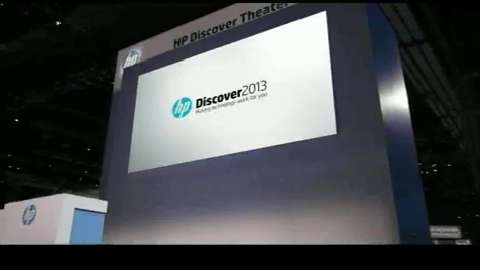
 The HP Discover event from 10 to 12 December is again shown all kinds of IT know-how in the Spanish metropolis and celebrated the megatrends–big data, cloud, converged infrastructure, security and risk management etc. HP Discover conference in Barcelona, are meant to provide customers with greater agility, simplified management, improved security and lower costs in hybrid cloud environments.
This year, HP was focusing on helping customers embrace the hybrid cloud deployment model, focusing more on OpenStack framework. On that front, HP announced next generation of HP CloudSystem, HP’s private cloud solution, and latest version of CloudSystem integrates with OpenStack-based HP Cloud OS technology.
Open source for everyday operation
According to HP, Cloud Services Automation and the OpenStack-based Cloud OS provide a common user interface and a simplified portal to enable organizations to manage their entire traditional IT and cloud systems. HP’s cloud solutions help enterprises obtain real value from IT, delivering interoperable solutions based on OpenStack technology throughout their hybrid journey—from inception to implementation.
Open source technologies are becoming critical component of any technology strategy going forward. Company are moving from a more traditional to open source route because of the agility that comes with the project and it is faster to get more value from open source technology like OpenStack. This meant in turn that the industry has had to adapt to the development cycles of the terminals, which leads to increased time pressure in software development and the company in turn demand a greater agility.
Margaret Dawson, VP of Marketing, Cloud Evangelist, HP Cloud Services, said that the driving adoption is agility is to remain open and that means a commitment to OpenStack, interoperability, and keeping an open ecosystem/architecture. HP wants to drive APIs to a more open yet standards-based structure for small and medium businesses who keep finding themselves stuck between rapidly changing, complex APIs for different tools.
“What we’re doing with OpenStack is saying, ‘We will make this enterprise grade,’ we will harden OpenStack for enterprise customers,” says Dawson.
Jerome Labat, CTO with HP Software, HP engages in OpenStack to support choice and heterogeneity when it comes to deploying workloads. OpenStack is a building block for your infrastructure, and from a cost perspective, it’s a choice. HP’s public cloud is running on top of OpenStack.
Focus on OpenStack based hybrid cloud
HP wanted to make the cloud easier for customers to consume and for that the company builds the whole core technology for the public and the private cloud in one place. HP wants to take deployment time down from weeks to hours, by redesigning the user experience, building simplified management tools, to help customers get private clouds running literally in hours.
Saar Gillai, SVP & GM of HP Converged Cloud, said part of this capability rests on HP’s relationship and contributions to OpenStack, the open source cloud platform designed for hybrid cloud.
“We are all in with OpenStack. We’ve been supporting it since day one and so far we proved to be correct,” Gillai said. “The level of investment we’re putting in is going to surprise people dramatically. Not everything that we’re doing is clear yet, but it will become clear over time. When I say over time I mean over the next 12 months, not the next 12 years. The cloud is a monthly thing, not a yearly thing. What’s really important now in OpenStack is the move from a developer focus to a customer focus.”
Seamus Dunne, VP of Technology Services with HP, shared some bottlenecks of public cloud and how HP is providing continuous support regarding the hybrid cloud to customers. In early stages, customers can put some of their workloads on the public cloud, but sometimes they have to stay on-premise. If they want to take it off-premise, there’s issues like latency and security to deal with, so basically the customers need help in figuring out what their strategy is. After they receive help with that, they usually ask for continuous support regarding the hybrid cloud. Dunne continued that one aspect of hybrid cloud deployments is building expertise and partnerships around the public cloud using open source platform.
Support our mission to keep content open and free by engaging with theCUBE community. Join theCUBE’s Alumni Trust Network, where technology leaders connect, share intelligence and create opportunities.
Founded by tech visionaries John Furrier and Dave Vellante, SiliconANGLE Media has built a dynamic ecosystem of industry-leading digital media brands that reach 15+ million elite tech professionals. Our new proprietary theCUBE AI Video Cloud is breaking ground in audience interaction, leveraging theCUBEai.com neural network to help technology companies make data-driven decisions and stay at the forefront of industry conversations.