


 NEWS
NEWS
NEWS
NEWS
NEWS

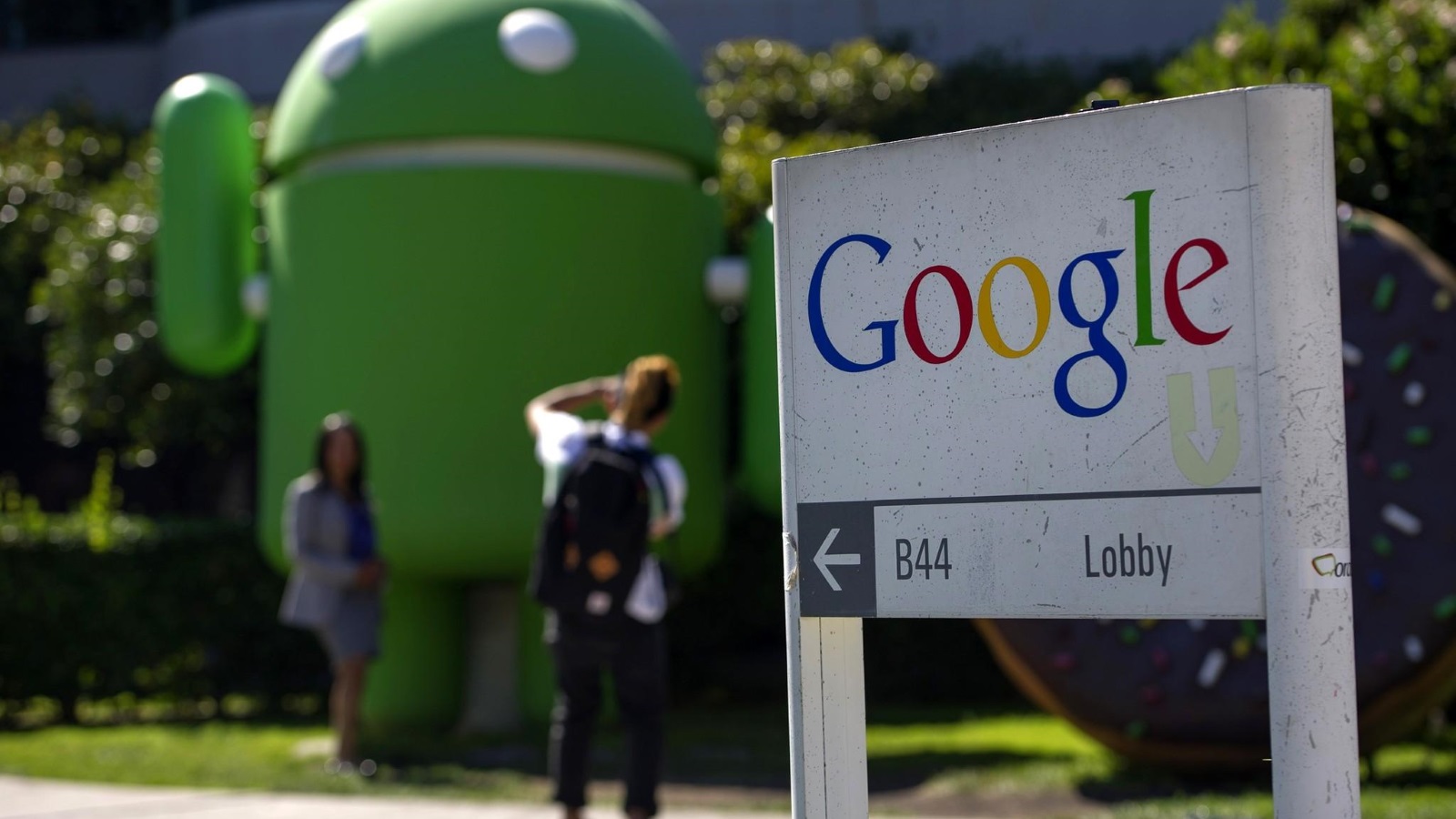
 Google has released the source code for a communications framework that implements HTTP/2 to handle the flow of data among servers and applications. The launch comes as an official endorsement of the standard from the world’s most influential Web company amid a fierce debate over its merits.
The specification is a spiritual successor to the Hypertext Transfer Protocol underpinning the Web that emerged from the search giant’s recently discontinued efforts to develop its own homegrown replacement. The biggest improvement over the now 26-year-old technology is the ability to download content as soon as it’s available from a Web server.
That is much more efficient than the current HTTP/1.1 practice of handling TCP requests one a time, a limitation that’s most evident in the slow loading of Web pages. Browsers use multiple TCP connections to get around the bottleneck, but that hack introduces network congestion problems of its own.
HTTP/2 effectively kills two birds with one stone, avoiding not only the significant delays associated with processing calls one after another but also the added overhead required to support the multiple connections an application has to maintain today to mitigate that lag.
HTTP/2 improves upon Google’s original implementation by extending the functionality to work with more than just one server at a time, which can further improve download speeds. Or at least in theory. Opponents of the protocol argue that the technology introduces additional complexity and increases the burden on the user’s device for a connectivity boost ultimately dependent largely on the provider.
Google and other supporters of HTTP/2, meanwhile, claim the opposite. The specification adds native support for more data structures that the search giant says eliminates the need to write manual workarounds and therefor simplifies development. Another frequently touted proof point is metadata compression for requests and responses, which can drastically cut the amount of data travelling over the network.
The new framework from Google is a major step forward toward mass adoption for HTTP/2, but there is still a long way to go until it is ready to enter the mainstream. While the Internet Engineering Steering Group ratified it as a standard earlier this month, the protocol currently lacks key features like automatic encryption that some major players – notably Mozilla Corp. – have named a prerequisite to full support.
Support our mission to keep content open and free by engaging with theCUBE community. Join theCUBE’s Alumni Trust Network, where technology leaders connect, share intelligence and create opportunities.
Founded by tech visionaries John Furrier and Dave Vellante, SiliconANGLE Media has built a dynamic ecosystem of industry-leading digital media brands that reach 15+ million elite tech professionals. Our new proprietary theCUBE AI Video Cloud is breaking ground in audience interaction, leveraging theCUBEai.com neural network to help technology companies make data-driven decisions and stay at the forefront of industry conversations.