









 NEWS
NEWS
NEWS
NEWS
NEWS

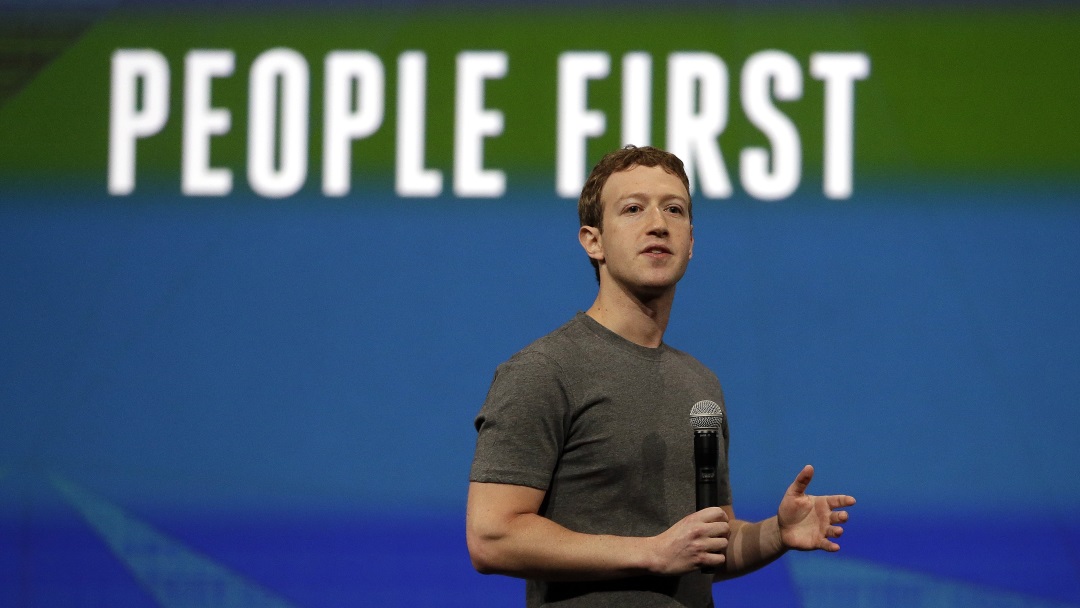
There is no question that Facebook CEO Mark Zuckerberg is one of the most recognizable company heads alive today, and not just because he was the subject of the Academy Award winning film The Social Network.
Zuckerberg founded Facebook in 2004 a few months shy of his twentieth birthday, and within a decade it became one of the world’s most successful companies with an active user base that is over four times larger than the population of the United States.
Gigaom founder Om Malik recently posted an open question on Facebook asking if Zuckerberg believed that his clout as a founder had given him an edge that made it easier for him to lead Facebook to where it is today.
“How much do you think Twitter’s problems are driven by the fact that Wall Street (and other investors) judge a CEO differently from a strong founder?” Malik asked. “For a while Facebook strategy was questioned by short-term oriented investment community but it was the founder (aka) you who stayed the course.”
In Zuckerberg’s in-depth response, he explained that while being a founder has a few advantages, it does not guarantee a company’s success.
“I don’t think there’s anything that makes founders intrinsically better at running companies than non-founder CEOs. There are plenty of good leaders who are both,” Zuckerberg said.
Still, he admitted that being the founder does make some things easier, especially when it comes to making risky decisions.
“The social capital and moral authority that comes from being the founder and having built many of the company’s key products means that on balance people trust you more and give you the benefit of the doubt more when you make tough calls,” Zuckerberg said. “Fewer people complain and take your time to manage. Fewer people quit and slow your execution. Everything is easier with social capital.”
He added, “Similarly, if you have control of the company — like I do at Facebook and an increasing number of founders do — then it is very difficult for investors to fire you. This means you don’t need to worry about losing your job over a couple of bad quarters or controversial short term decisions, and that makes it easier for you to make the decisions you think are correct as well.”
Mark Zuckerberg’s comment in full via John Furrier Facebook post
I don’t think there’s anything that makes founders intrinsically better at running companies than non-founder CEOs. There are plenty of good leaders who are both.
That said, there are certain structural advantages that founders may have that can make their jobs easier than those of non-founder CEOs — including extra social capital within a company and control of company governance.
As you suggest, running a company involves making a lot of tradeoffs between various short and long term interests. The more power you have as a CEO, the easier it is for you to do what you think is right and ignore people pushing for shorter term interests.
The social capital and moral authority that comes from being the founder and having built many of the company’s key products means that on balance people trust you more and give you the benefit of the doubt more when you make tough calls. Fewer people complain and take your time to manage. Fewer people quit and slow your execution. Everything is easier with social capital.
Similarly, if you have control of the company — like I do at Facebook and an increasing number of founders do — then it is very difficult for investors to fire you. This means you don’t need to worry about losing your job over a couple of bad quarters or controversial short term decisions, and that makes it easier for you to make the decisions you think are correct as well.
These pressures compound over time. If you have to make short term tradeoffs because activist investors are pressuring your board for quick financial results and you might get fired otherwise, then the compromises you make will just make it harder and harder to deliver the results you want and execute your mission over time. This eventually catches up to you unless you manage everything carefully. On the other hand, if you have the space to make controversial but good long term bets — like buying Instagram — that provides an accelerating tailwind that makes executing your mission easier over time.
These are clear advantages that founders may have, but they don’t guarantee success. At the end of the day, you still need a clear vision and willingness to do what you think is right because there will always be plenty of forces pushing you to make worse tradeoffs regardless of your structure. There are many non-founders CEOs who are excellent at this as well as founders, and there are plenty of founders who are terrible at this despite these advantages.
There’s one last thing I’d add, which is that I think people focus too much on the single CEO role and not enough on the broader team. No one builds something by themselves. We could not have built Facebook without our core team. This is not just about the founder or CEO but about the strength of the whole team.
Support our mission to keep content open and free by engaging with theCUBE community. Join theCUBE’s Alumni Trust Network, where technology leaders connect, share intelligence and create opportunities.
Founded by tech visionaries John Furrier and Dave Vellante, SiliconANGLE Media has built a dynamic ecosystem of industry-leading digital media brands that reach 15+ million elite tech professionals. Our new proprietary theCUBE AI Video Cloud is breaking ground in audience interaction, leveraging theCUBEai.com neural network to help technology companies make data-driven decisions and stay at the forefront of industry conversations.