


 NEWS
NEWS
NEWS
NEWS
NEWS

Microsoft is stepping up its underwater data center ambitions, following the results of an experiment that saw it sink a small ‘data center pod’ off the coast of California last year, Data Center Frontier reports.
Speaking at a conference in New York earlier this week, Microsoft’s Ben Cutler, manager of the project, said the company was planning to deploy an even larger pod that’s about the size of a shipping container.
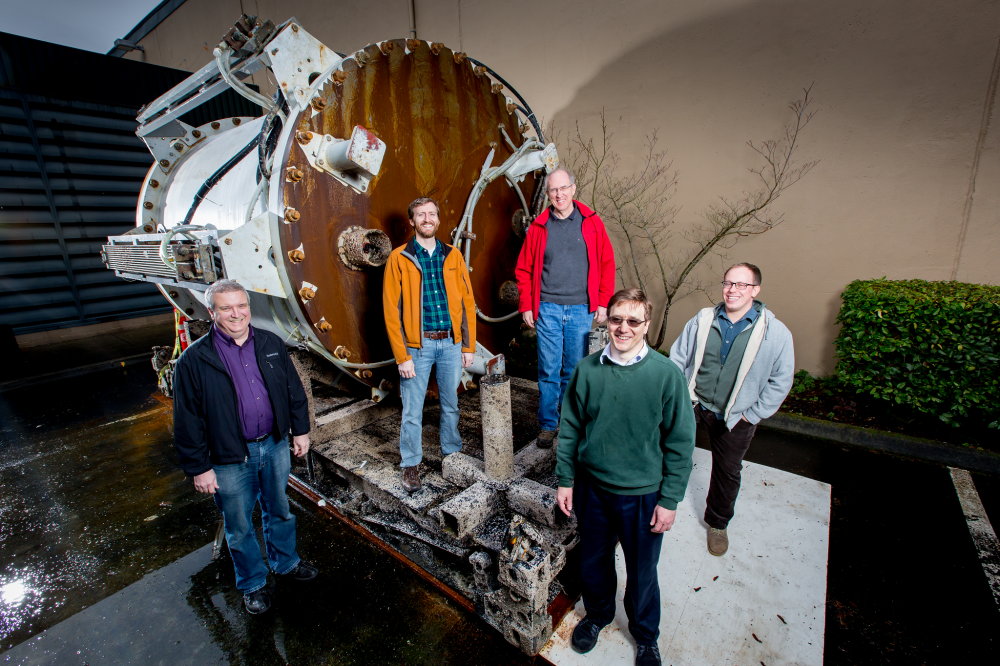
The first pod, which measured 10 foot by 7 foot and contained a single rack of servers, was submerged in August 2015, before being resurfaced last December. The Project Natick team then took it back to Microsoft’s headquarters in Redmond, Washington, to collect data from the test.
There are several reasons why Microsoft is pursuing this idea. In the conference, Cutler spoke of the “consistency” of deploying data centers close to the ocean floor. There, the water temperature is relatively constant, and the pods remain undisturbed by strong currents and adverse weather conditions.
“The ocean is more of a standard place,” Cutler told DCD at the DatacenterDynamics Enterprise conference in New York. “It’s more consistent, both physically, and in the laws in the ocean, which are more consistent.”
Another reason Microsoft wants to submerge its data centers is that over half of the world’s population lives in coastal areas. It’s also a lot easier to get the necessary permits to build a data center offshore than it is on dry land.
Sustainability is another aspect of it. Microsoft’s long-term plan is to connect its underwater data centers to the land by a single network cable, with electrical power being generated by tidal energy via turbines. Ocean water will be used to cool the data centers, and there are even hopes that the underwater facilities could become artificial reefs, home to all kinds of aquatic life.
The results of the first test (see video below), which saw the pod being submerged 30 feet underwater for 105 days, were very encouraging. Cutler said that no hardware failed during the course of the test, and that the cooling system was even more efficient than expected.
The second planned deployment could generate up to half a megawatt of IT capacity, Cutler said. Eventually, he wants to see as many as 20 megawatt data centers setup offshore, providing low-latency cloud services to coastal areas across the world.
But despite these encouraging results, Microsoft still faces a number of challenges. One problem that needs to be overcome is the issue of slack tide. There are two periods each day when the tide reverses, cutting off the submerged data center’s power supply, so researchers need to work out how to cope with this and keep them up and running 24/7.
Another problem is the heat that the facilities generate. With larger facilities, these could potentially heat up the water around them attracting unexpected and potentially unwanted species to them. One answer might be to deploy the data centers further offshore with a “spaghetti-like” heat exchanger, in order to make them less attractive for marine life.
Last but not least, underwater data centers remain expensive, costing 10-20 percent more than regular land-based facilities.
Support our mission to keep content open and free by engaging with theCUBE community. Join theCUBE’s Alumni Trust Network, where technology leaders connect, share intelligence and create opportunities.
Founded by tech visionaries John Furrier and Dave Vellante, SiliconANGLE Media has built a dynamic ecosystem of industry-leading digital media brands that reach 15+ million elite tech professionals. Our new proprietary theCUBE AI Video Cloud is breaking ground in audience interaction, leveraging theCUBEai.com neural network to help technology companies make data-driven decisions and stay at the forefront of industry conversations.