
 NEWS
NEWS
NEWS
NEWS
NEWS

Numerous companies have shown an interest in beacon technology over the years as a way to offer location-based advertising, promotions, directions and more to consumers.
Apple launched its iBeacon technology in 2013 at its Worldwide Developers Conference. The following year Samsung Electronics Co. Ltd. followed suit and launched its beacon technology service, Proximity. Last year, social media giant Facebook launched its own Bluetooth beacons to retailers. And CultureMap, an online news and review publication started its rollout of iBeacons to over 200,000 restaurants and retail locations throughout the U.S.
Another entry to the beacon market is Live Beacon, which wants to simplify beacon technology.
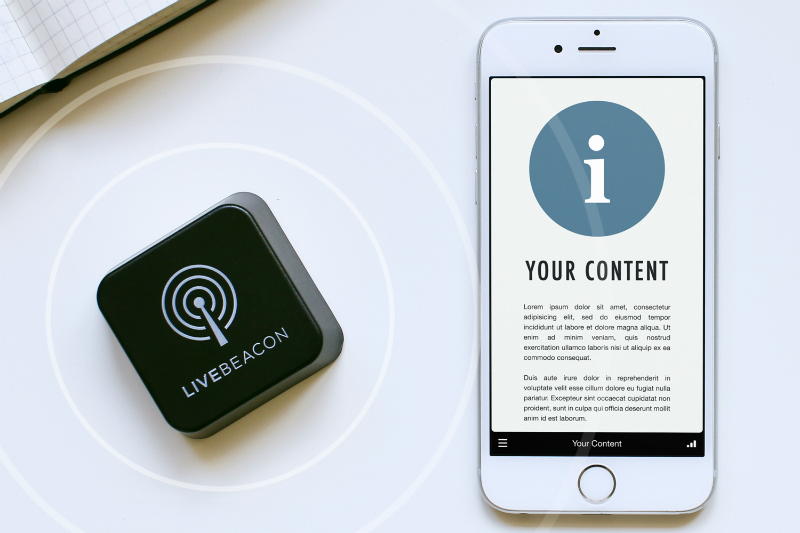
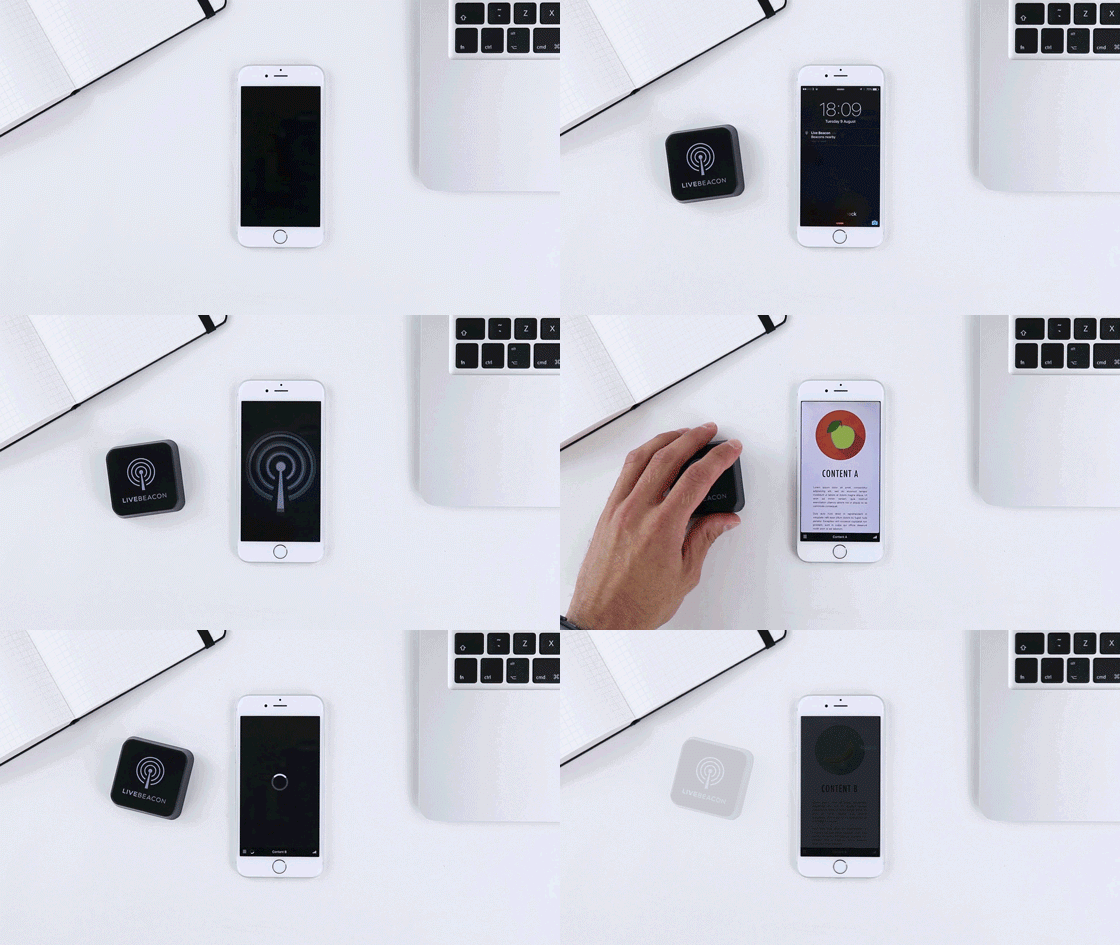
Unlike other beacons that tend to be expensive and have a complicated setup process, the London-based startup’s Live Beacon, powered by Apple’s iBeacon technology, is a small, battery-powered, cloud-controlled device that can be used straight out of the box without requiring any code, allowing anyone to send location-specific information.
The Live Beacon will broadcast any web page, video or web app up to 100 feet, straight to a consumer’s smartphone or tablet via the free Live Beacon iOS or Android app.
At the end of last year, Live Beacons were rolled out at London’s Southbank Centre, which comprises of performance venues, galleries, restaurants and shops. More than 100 beacons have been installed across the 21-acre site to improve the on-site experience for visitors.
Live Beacons can be used as information points and replace the printed brochure, or have the ability to take visitors on a guided tour through a museum or gallery while at the same time pointing outs points of interest. The Live Beacons can also be used to provide customers with a digital loyalty card, take consumers on a treasure hunt, or used in automation and the internet of things.
Live Beacon is launching its Kickstarter campaign on Oct. 4.
When beacons were first launched the focus was on retail, a device that allowed location-based interactions with customers. However, beacons and their technology can also have a place in the enterprise setting.
Nick Newton, director of mobile engagement at Aruba Networks (a Hewlett-Packard Enterprise company) who was interviewed on theCUBE at the HPE Discover 2016 conference in June, spoke about the role of beacons. Use cases for beacons in enterprises include using beacons to help find conference rooms, offices and hot desks. Newton also spoke about combining the location-based data with scheduling systems to, for example, unbook a meeting room when it is not in use.
You can watch the full interview with Newton below.
Support our mission to keep content open and free by engaging with theCUBE community. Join theCUBE’s Alumni Trust Network, where technology leaders connect, share intelligence and create opportunities.
Founded by tech visionaries John Furrier and Dave Vellante, SiliconANGLE Media has built a dynamic ecosystem of industry-leading digital media brands that reach 15+ million elite tech professionals. Our new proprietary theCUBE AI Video Cloud is breaking ground in audience interaction, leveraging theCUBEai.com neural network to help technology companies make data-driven decisions and stay at the forefront of industry conversations.