 INFRA
INFRA
INFRA
INFRA











INFRA

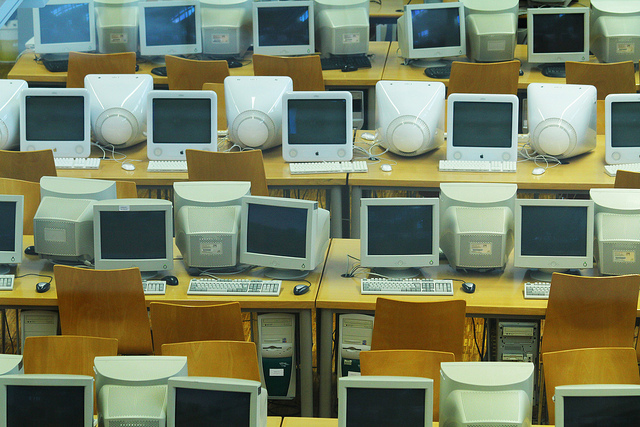
Information technology analyst firm Gartner Inc. has some good news for PC makers: The long-declining market for PCs is set to return to growth next year.
The reason is that buyers are reaching the end of their evaluation periods of Windows 10, Gartner said in a new report. This new growth will come following six years of decline in a market that has suffered from the rise of cheaper mobile devices such as smartphones and tablets.
Gartner reckons that PC shipments will hit 267 million units in 2018, which represents a 1.9 percent increase on 2017’s forecast of 262 million units shipped. Looking ahead to 2019, PC shipments should grow again, reaching 272 million units.
Those sales will be driven by further adoption of Windows 10 as PC buyers come to grips with the new operating system and look to take advantage of its better security.
“PC buyers continue to put quality and functionality ahead of price,” said Ranjit Atwal, research director at Gartner. “Many organizations are coming to the end of their evaluation periods for Windows 10 and are now increasing the speed at which they adopt new PCs as they see the clear benefits of better security and newer hardware.”
There’s good news for smartphone makers too, with Gartner expecting shipments to grow at a healthy clip this year. Smartphone shipments should increase by almost five percent to 1.6 billion units in 2017, as the market shifts away from lower-cost utility phones to higher-end devices.
“Overall, the shipment growth of the device market is steady for the first time in many years,” said Atwal. “PC shipments are slightly lower, while phone shipments are slightly higher, leading to a slight downward revision in shipments from the previous forecast.”
Gartner also looked at emerging technologies such as artificial intelligence and virtual personal assistants in its report, but the forecast was somewhat less optimistic. The analyst firm said these new technologies are failing to capture the imagination of end users, and that while adoption will surely grow, they will not have the “revolutionary” impact on the market that some might have hoped for.
“Today, the user experience with new technologies such as artificial intelligence and virtual personal assistants is too often below the standard found in the rest of the device, and the cost to raise the standard quickly is prohibitive, relative to the benefits,” Atwal said. “In the near term, the device market will continue to be driven by incremental advances in traditional technology, but looking three or four years ahead, the device market will begin to see very significant shifts in both usage patterns and form factors, especially as 5G wireless technology is introduced.”
Support our mission to keep content open and free by engaging with theCUBE community. Join theCUBE’s Alumni Trust Network, where technology leaders connect, share intelligence and create opportunities.
Founded by tech visionaries John Furrier and Dave Vellante, SiliconANGLE Media has built a dynamic ecosystem of industry-leading digital media brands that reach 15+ million elite tech professionals. Our new proprietary theCUBE AI Video Cloud is breaking ground in audience interaction, leveraging theCUBEai.com neural network to help technology companies make data-driven decisions and stay at the forefront of industry conversations.