


 APPS
APPS
APPS
APPS
APPS

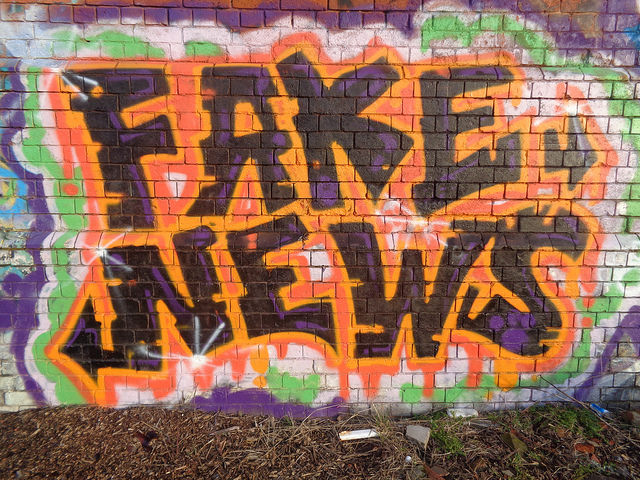
“Fake news” may reach users up to 20 times faster than truth or at least credible journalism, according to a new report.
The Massachusetts Institute of Technology report released today analyzed “rumor cascades” on Twitter from 2006 to 2017. They consisted of 126,000 rumors spread by about 3 million people and tweeted 4.5 million times. Each rumor was then scrutinized for its truth or falsity by several fact-checking organizations.
“False news reached more people than the truth; the top 1 percent of false news cascades diffused to between 1000 and 100,000 people, whereas the truth rarely diffused to more than 1000 people,” wrote the researchers. The fact-checkers were more or less in agreement in regard to the veracity of the rumor, or at least 95 to 98 percent of the time.
“Falsehood diffused significantly farther, faster, deeper, and more broadly than the truth in all categories of information,” said the report. “The effects were more pronounced for false political news than for false news about terrorism, natural disasters, science, urban legends, or financial information.”
It seems this free flow of erroneous information might be because those that consume and spread it enjoy its novelty, according to the researchers. Similar to a journalist wanting to get there first, when a Twitter user sees an unusual story, there’s a desire to look like he or she saw it first.
And don’t blame the bots, they said, because it’s humans that are doing most of the work when it comes to spreading lies or half-baked truths. The researchers removed the bots they could find at first, and later added them back, but the results looked much the same.
“This implies that misinformation containment policies should also emphasize behavioral interventions, like labelling and incentives to dissuade the spread of misinformation, rather than focusing exclusively on curtailing bots,” wrote the researchers.
This almost echoes what Twitter Chief Executive Jack Dorsey talked about last week when he said Twitter needed to psychoanalyze itself and its users, perhaps gaining a better understanding of what people use the platform for and why some people could be said to use it in a negative way.
“We didn’t fully predict or understand the real-world negative consequences,” said Dorsey. “We acknowledge that now, and are determined to find holistic and fair solutions.”
Support our mission to keep content open and free by engaging with theCUBE community. Join theCUBE’s Alumni Trust Network, where technology leaders connect, share intelligence and create opportunities.
Founded by tech visionaries John Furrier and Dave Vellante, SiliconANGLE Media has built a dynamic ecosystem of industry-leading digital media brands that reach 15+ million elite tech professionals. Our new proprietary theCUBE AI Video Cloud is breaking ground in audience interaction, leveraging theCUBEai.com neural network to help technology companies make data-driven decisions and stay at the forefront of industry conversations.