


 IOT
IOT
IOT
IOT

IOT

As the world embraces the internet of things, coming up with trendy and flashy gadgets every day, there are entire industrial spheres where IoT has to evolve in a different way. So what is the main difference between consumer IoT and industrial IoT?
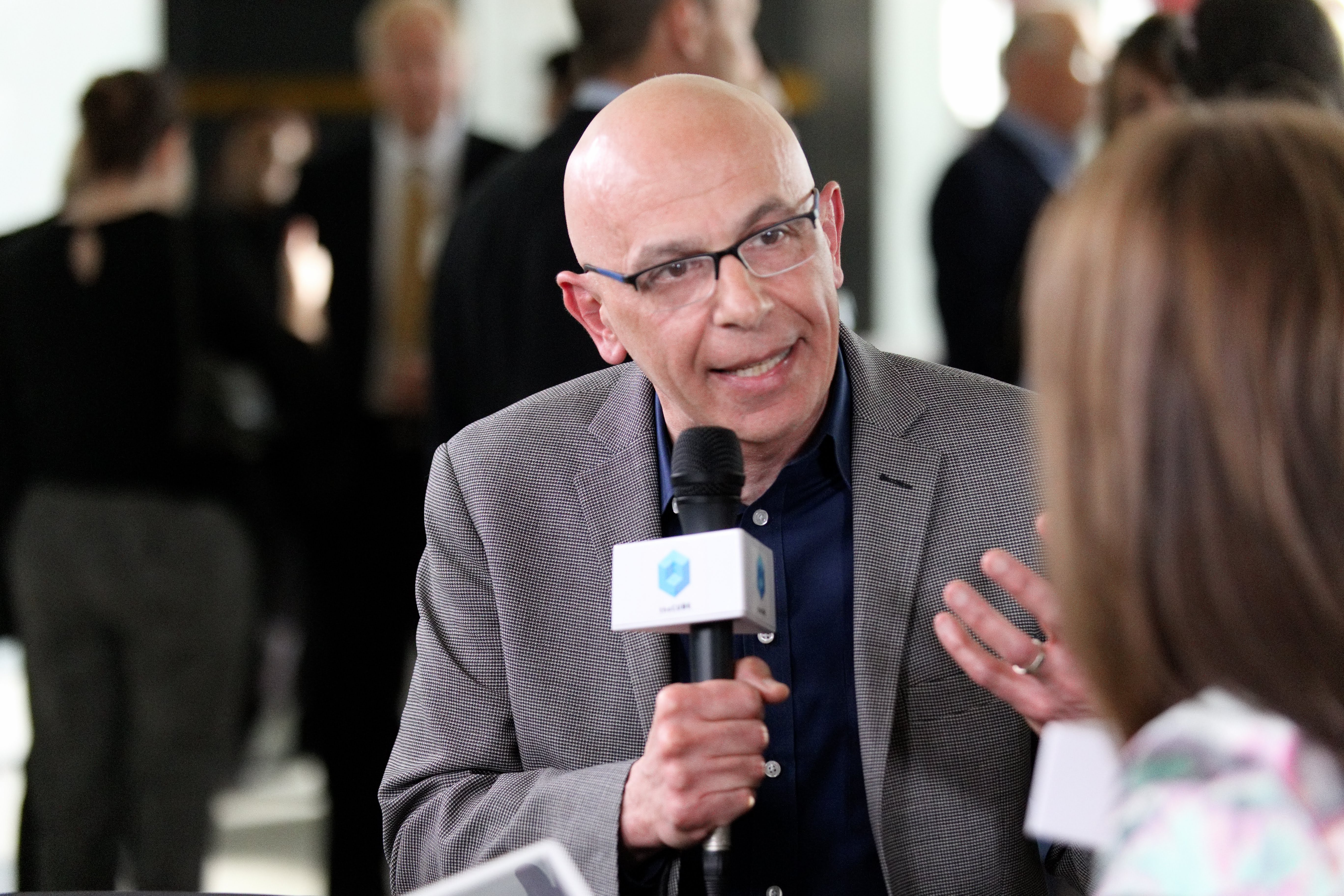
“If you think about consumer IoT, it’s what grabs headlines,” said Narbeh Derhacobian (pictured), president and chief executive officer of Adesto Technologies Corp., which recently received the Top Emerging Growth Company Award from ACG Silicon Valley. “It’s the fitness trackers, the latest home smart thermostats, and the smartwatches, and so forth. These are new markets. Volumes grow very fast. But if next year, a new shiny object is created, it’s easy for the consumers to replace. They basically buy the new one.” This is in stark contrast to industrial IoT, he added.
Derhacobian spoke with Lisa Martin (@LisaMartinTV), host of theCUBE, SiliconANGLE Media’s mobile livestreaming studio, during the ACG Silicon Valley GROW! Awards in Mountain View, California. They discussed the differences between consumer and industrial IoT and Adesto’s contribution to the world of IoT (see the full interview with transcript here). (* Disclosure below.)
In contrast to the flashiness and quick turnover of consumer IoT, industrial IoT is a completely different ballgame, according to Derhacobian. In the industrial world, there are fragmented legacy systems that run in each business, and it takes layers and layers to unpack these different systems. For example, an industrial building might have a piping system, HVAC system, a fire and safety system, etc. — each built separately and years ago.
“There are billions of connected things in that industrial network today, but the data is unable to go up into the cloud,” Derhacobian said. “IoT providers can actually take the data and provide benefits to these business owners. We understand the language of industrial IoT very well because of our roots in that space, and we also understand this universe very well because of our roots being in Silicon Valley.”
For industrial customers to benefit from the digital transformation, technology companies must understand two worlds, according to Derhacobian. “The … operational technology world of the old days and the IT world that we’re familiar with,” he concluded.
Watch the complete video interview below, and be sure to check out more of SiliconANGLE’s and theCUBE’s coverage of the ACG Silicon Valley GROW! Awards. (* Disclosure: TheCUBE is a paid media partner for the ACG Silicon Valley GROW! Awards. Neither ACG Silicon Valley, the sponsor for theCUBE’s event coverage, nor other sponsors have editorial control over content on theCUBE or SiliconANGLE.)
Support our mission to keep content open and free by engaging with theCUBE community. Join theCUBE’s Alumni Trust Network, where technology leaders connect, share intelligence and create opportunities.
Founded by tech visionaries John Furrier and Dave Vellante, SiliconANGLE Media has built a dynamic ecosystem of industry-leading digital media brands that reach 15+ million elite tech professionals. Our new proprietary theCUBE AI Video Cloud is breaking ground in audience interaction, leveraging theCUBEai.com neural network to help technology companies make data-driven decisions and stay at the forefront of industry conversations.