

 INFRA
INFRA
INFRA
INFRA
INFRA

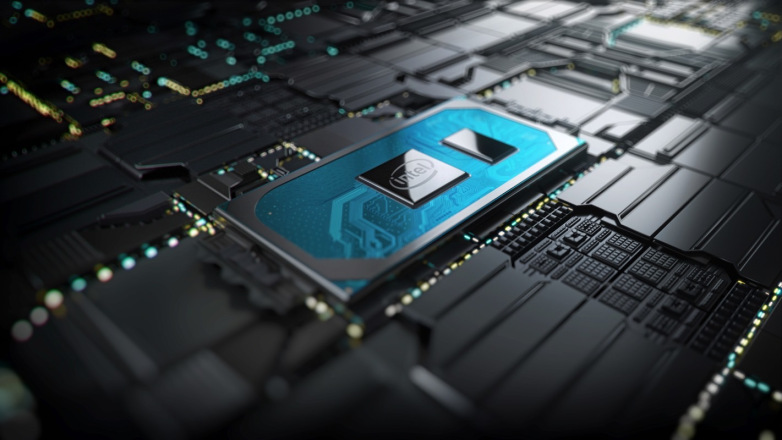
Two days after debuting its 10-nanometer Ice Lake chip architecture, Intel Corp. this morning introduced the first central processing units based on the design.
The new 10th Gen Intel Core processors, which represent only the first of several batches of 10-nanometer CPUs, are aimed at the laptop market.
They’re organized into three groups that each falls under a different Intel processor brand — the Core i3, i5 or i7 — and consumes nine to 22 watts of power depending on which product line it belongs to. Performance increases with energy usage.
On the top end, the 10-nanometer CPUs pack up to four cores that can run as many as eight threads at once and reach a maximum frequency of 4.1 gigahertz. That’s lower than the top clock speed of certain chips from the previous generation of Intel laptop CPUs. However, the new processors still provide noticeably better performance thanks to the fact they can carry out 15% to 18% more operations per clock cycle than the company’s older silicon.
Intel has made even bigger improvements to the integrated graphics processors included with the CPUs. The 10th Gen Intel Core chips pack a new graphics architecture, Iris Plus, that nearly doubles the performance of its predecessor to a maximum of 1.12 teraflops. That amounts to 1.12 trillion computations per second.
For consumers, the speed bump means graphically intensive applications should perform significantly better. Intel said the new chips can run certain games with up to twice the frame rate of previous-generation silicon, as well as double video encoding speeds in popular creative applications.
Artificial intelligence is another use case that the chipmaker prioritized. Intel promises a speed-up of as much as 250% for AI-powered applications such as Windows 10 Photos, which uses computer vision for image searches.
AI was also a central theme in some of the other chip announcements that came out this week from Computex, the industry conference in Taipei where Intel unveiled its CPUs. One of the main highlights was Arm Ltd.’s new mobile processors. The British chip designer debuted a CPU and a graphics card for handsets that offer a 35% and 60% improvement in AI performance, respectively.
Although Arm expects the mobile processors to launch next year, Intel said the first laptops to feature its new CPUs will ship in time for the 2019 holiday season. Some of those computers will use a specification dubbed Project Athena that was also detailed at Computex this morning.
Project Athena defines a set of base standards for high-performance laptops. To meet the bar, a machine must meet no fewer than 23 different requirements, most notably that it include either a Core i5 or i7 CPU and provide at least nine hours of battery life. Intel said the first batch of Project Athena laptops will include about 30 models from partners such as Dell Technologies Inc.
Support our mission to keep content open and free by engaging with theCUBE community. Join theCUBE’s Alumni Trust Network, where technology leaders connect, share intelligence and create opportunities.
Founded by tech visionaries John Furrier and Dave Vellante, SiliconANGLE Media has built a dynamic ecosystem of industry-leading digital media brands that reach 15+ million elite tech professionals. Our new proprietary theCUBE AI Video Cloud is breaking ground in audience interaction, leveraging theCUBEai.com neural network to help technology companies make data-driven decisions and stay at the forefront of industry conversations.