 SECURITY
SECURITY
SECURITY











SECURITY

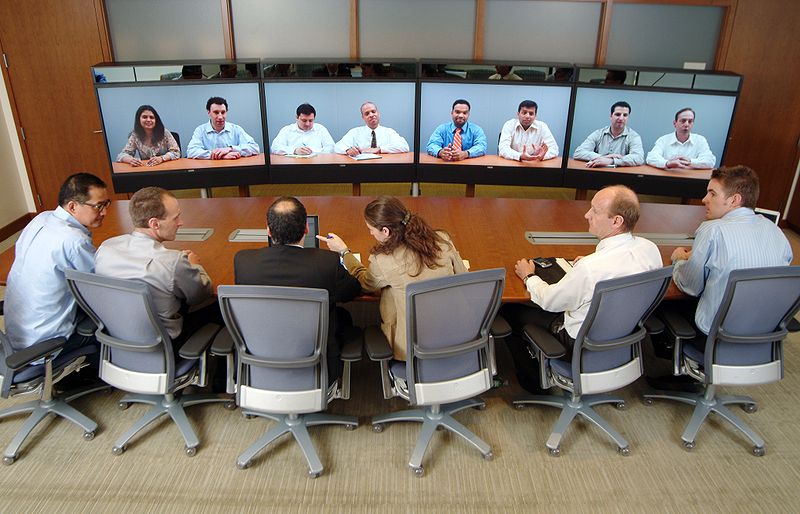
A security vulnerability found in Cisco Systems Inc.’s Webex and Zoom Video Communications Inc. videoconferencing platforms can allow an attacker to enumerate or list and view active meetings that are not protected by passwords.
Discovered by security researchers at Cequence Security Inc., the vulnerability, dubbed “Prying-Eye,” involves launching an enumeration attack, a form of attack that involves a malicious actor attempting to guess or confirm valid data in a system.
In this case, an attacker using a bot can target the web conferencing application programming interface to discover valid numeric meeting IDs. Having enumerated valid IDs, the attacker can then view and listen to active meetings that have not been password-protected.
The researchers noted that any application, not just videoconferencing, that uses numeric or alphanumeric identifiers is susceptible to an enumeration attack technique with the use of an API as a target increasingly common.
“In targeting an API instead of a web form fill, bad actors are able to leverage the same benefits of ease of use and flexibility that APIs bring to the development community,” Shreyans Mehta, Cequence Security’s co-founder and chief technology officer, said in a statement. “In the case of the Prying-Eye vulnerability, users should embrace the shared responsibility model and take advantage of the web conferencing vendors’ security features to not only protect their meetings but also take the extra step of confirming the attendee identities.”
The researchers informed Cisco and Zoom of the vulnerability in July, giving both time to address the issue prior to the publication of the vulnerability details. Zoom improved server protections to make it harder for bad actors or malicious bots to troll for access, while Cisco issued an informational security advisory that warned customers to use a password as this was the most effective way to protect meetings.
Jonathan Knudsen, senior security strategist at cybersecurity firm Synopsys Inc., told SiliconANGLE that some rudimentary user education would help people make better choices.
“For example, when running an online meeting, make sure you can identify all users who have joined,” he advised. “Furthermore, if you expect that any part of the meeting is information you want to keep confidential, use the password feature to protect the meeting from casual intruders.”
Meeting recordings should be protected with similar vigilance, Knudsen added. “For example, recording files should not be placed on unauthenticated servers, and any links to streaming recordings should be protected by some form of authentication,” he said.
Support our mission to keep content open and free by engaging with theCUBE community. Join theCUBE’s Alumni Trust Network, where technology leaders connect, share intelligence and create opportunities.
Founded by tech visionaries John Furrier and Dave Vellante, SiliconANGLE Media has built a dynamic ecosystem of industry-leading digital media brands that reach 15+ million elite tech professionals. Our new proprietary theCUBE AI Video Cloud is breaking ground in audience interaction, leveraging theCUBEai.com neural network to help technology companies make data-driven decisions and stay at the forefront of industry conversations.