


 EMERGING TECH
EMERGING TECH
EMERGING TECH
EMERGING TECH

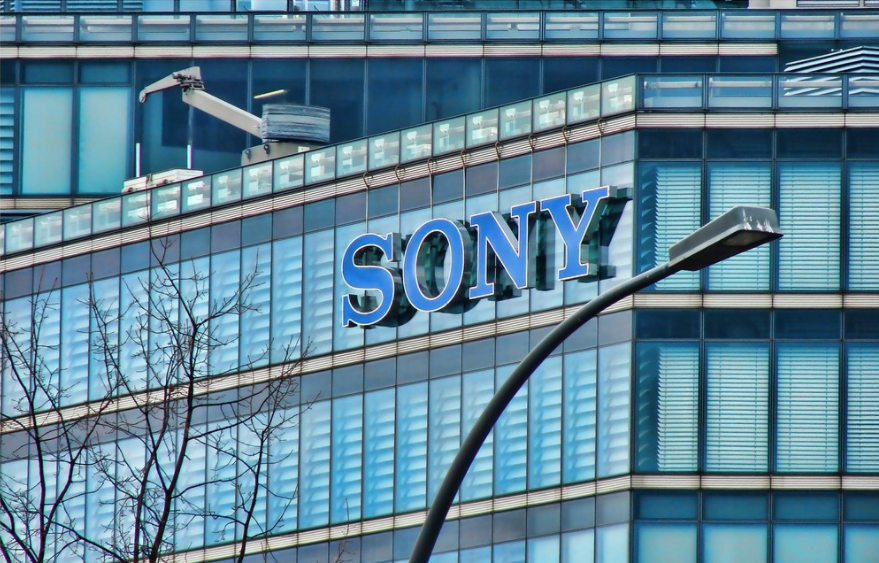
Sony Corp. is reportedly struggling to keep up with demand for its camera phone image sensors, even as it ramps up its manufacturing operations to full capacity.
Terushi Shimizu, head of Sony’s semiconductor business unit, told Bloomberg Tuesday that the company is running its factories at full capacity throughout the holiday period to try to keep up with the demand, but even that might not be enough.
“We are having to apologize to customers because we just can’t make enough,” Shimizu said as he announced the company is building a new manufacturing plant in Nagasaki that will come online in April 2021.
Sony’s image sensor business is booming because smartphone makers are increasingly focused on improving their camera specifications in order to convince consumers to upgrade. The latest flagship phones from companies such as Samsung Electronics Co. Ltd. and Huawei Technologies Co. Ltd. both feature cameras with more than 40 megapixels. Meanwhile the new iPhone 11 Pro features a triple camera with three separate lenses, each of which need its own image sensor.
The company is also seeing increased demand for a new generation of image sensors that can see the world in three dimensions. Those sensors use a method known as “time of flight” that sends out laser pulses and measures how long it takes for them to bounce back in order to create more detailed depth models.
In turn, that can help smartphone cameras to create better portrait photos by more precisely selecting which background areas to blur out. The time-of-flight sensors can also be applied to mobile games, facilitating interactions with real-world environments. Both Samsung and Huawei already sell phones equipped with such sensors, and Apple is expected to add a 3D camera to its next iPhone in 2020.
Those developments help to explain why demand for the sensors is increasing even as smartphone sales plateau, Bloomberg said.
The growing demand means that semiconductors are now Sony’s second most profitable business after the PlayStation, and the company doesn’t see things slowing down anytime soon. Indeed, Sony raised its operating income outlook for the unit in October after seeing its second-quarter profit jump by 60%. It now expects revenue from the semiconductor unit to grow by 18%, with image sensors accounting for 86% of that total.
In response, Sony has announced plans to invest $6.4 billion into its semiconductor business over a three-year period ending in March 2021. Much of that cash has gone toward the new facility in Nagasaki that’s expected to boost Sony’s monthly output capacity of image wafers from 109,000 to 138,000. Once that facility goes online, Sony believes its share of the image sensor market will grow from 51% to 60% by 2025.
Support our mission to keep content open and free by engaging with theCUBE community. Join theCUBE’s Alumni Trust Network, where technology leaders connect, share intelligence and create opportunities.
Founded by tech visionaries John Furrier and Dave Vellante, SiliconANGLE Media has built a dynamic ecosystem of industry-leading digital media brands that reach 15+ million elite tech professionals. Our new proprietary theCUBE AI Video Cloud is breaking ground in audience interaction, leveraging theCUBEai.com neural network to help technology companies make data-driven decisions and stay at the forefront of industry conversations.