




 AI
AI
AI
AI

AI

Computers have been taught to use data to establish patterns where possible. And while the delegation of these activities to machines has helped mankind in many ways, bias still exists in technologies such as artificial intelligence.
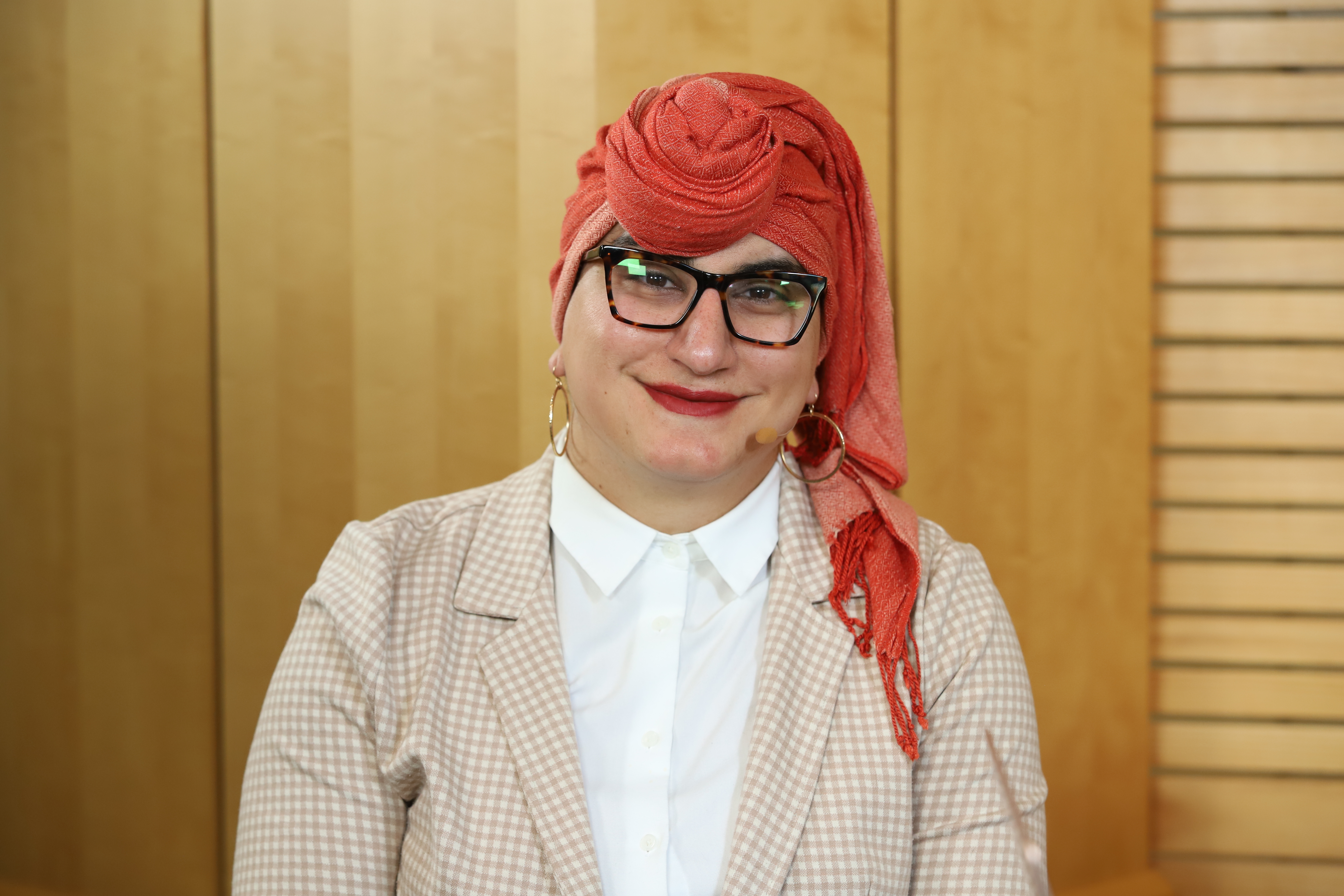
For instance, there are biases in facial recognition systems, according to Alex Hanna (pictured), director of research at The Distributed AI Research Institute. “The fact remains that facial recognition is used and is disproportionally deployed on marginalized populations,” she said. “So in the U.S., that means black and brown communities. That’s where facial recognition is used disproportionately.”
Hanna spoke with Lisa Martin, host of theCUBE, SiliconANGLE Media’s livestreaming studio, during the Women in Data Science (WiDS) event. They discussed ways to remove bias in the societal application of artificial intelligence and machine learning tech.
Race and ethnicity aren’t the only parameters in which some of these technologies are biased; there are also other factors, including disability, sexual orientation, and even political ideology. These biases could affect things like job selection, creditworthiness, access to quality education, and more.
Hanna’s outlook on AI and other evolving technologies isn’t all negative. In fact, the efforts within the tech community to clear these biases are also laudable, she pointed out.
“Some of the things … that are positive are really the community-driven initiatives that are saying, ‘Well, what can we do to remake this in such a way that is going to be more positive for our community?’ So seeing projects like trying to do community control over certain kinds of AI models or really try to tie together different kinds of fields, that’s exciting,” she said.
In today’s current climate where more people are more politically and justice literate, AI and machine learning can be used more effectively throughout society, without the bias, according to Hanna.
“They know … what’s behind all these data-driven technologies, and they can really try to flip the script and try to understand what would it mean to turn this into something that empowers us instead of being something that is really becoming centralized in a few companies,” she said.
Here’s the complete video interview, part of SiliconANGLE’s and theCUBE’s coverage of the Women in Data Science (WiDS) event:
Support our mission to keep content open and free by engaging with theCUBE community. Join theCUBE’s Alumni Trust Network, where technology leaders connect, share intelligence and create opportunities.
Founded by tech visionaries John Furrier and Dave Vellante, SiliconANGLE Media has built a dynamic ecosystem of industry-leading digital media brands that reach 15+ million elite tech professionals. Our new proprietary theCUBE AI Video Cloud is breaking ground in audience interaction, leveraging theCUBEai.com neural network to help technology companies make data-driven decisions and stay at the forefront of industry conversations.