

 CLOUD
CLOUD
CLOUD
CLOUD

CLOUD

The rise of supercloud has raised an intriguing question about the cloud market’s future: How will the major cloud providers react to having companies such as Snowflake Inc., Zscaler Inc. and Databricks Inc. building highly successful businesses on top of hyperscale platforms?
On one hand, Amazon Web Services Inc. generates a handsome profit from its partnership with Snowflake. Yet Snowflake is also a competitor in the data storage market with Amazon’s Redshift offering.
According to one industry analyst, discussions are taking place within major cloud providers, such as AWS, Microsoft Corp. and Google LLC, over how to differentiate platforms that play a massive role in the computing world and the global economy in general.
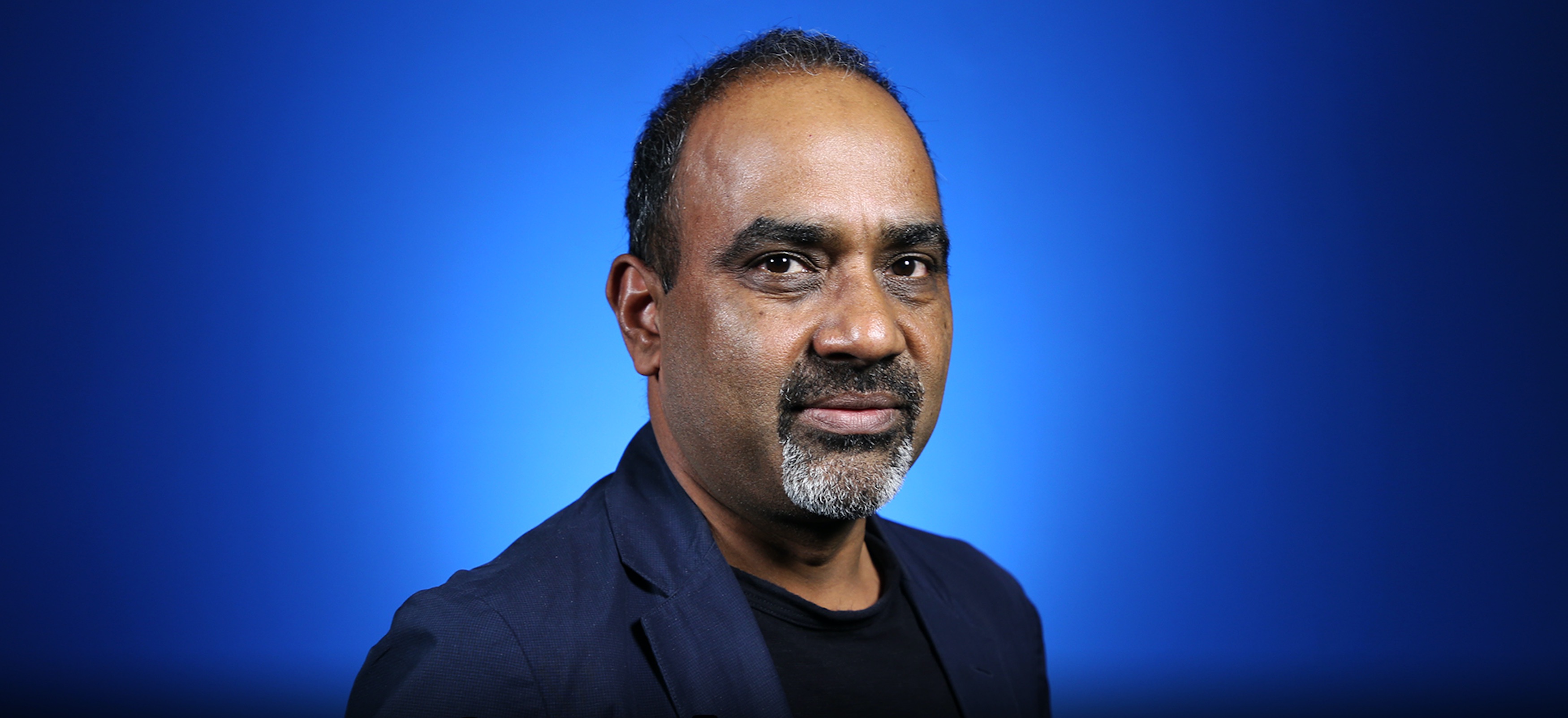
“They’re debating within themselves,” said Sarbjeet Johal (pictured), a cloud consultant and influencer. “On one side, they don’t want to compete with their customers who are sitting on top of them, like Snowflake and others, and at the same time, they have to keep expanding and innovating. Should we compete with these guys, should we launch similar features and functionality, or should be keep it open? I have heard that internally at AWS, they’re thinking about keeping it open.”
Johal spoke with theCUBE industry analyst John Furrier at Supercloud 22, during an exclusive broadcast on theCUBE, SiliconANGLE Media’s livestreaming studio. They discussed how hyperscalers have enabled supercloud growth, the right strategy for multicloud adoption, and a coming wave of vertical cloud platforms.
The rise of supercloud has been fueled by massive capital outlays from the major cloud providers. Businesses seeking to provide services in a new market no longer have to worry about the expense of building infrastructure. The hyperscalers have solved that problem for them.
“It’s being built on top of the capital expense, which is being spent by the likes of AWS and Azure and Google Cloud,” Johal said. “It’s leveraging that infrastructure and building a software stack on top, which is a platform. I see that as a platform being built on top of infrastructure as code.”
As superclouds emerge, the playbook for many companies has been to move fast on one native cloud and then figure it out from there. This strategy is often driven by differences in APIs and the challenge of managing those within the enterprise.
“If you are learning three cloud APIs, you will end up spending a lot more time and money on that,” Johal said. “The rule says if you pick one primary cloud and you’re focused on that, most of your workloads are there. You go to the secondary cloud, number two or three, on an as-needed basis. I think that’s the right approach.”
While this has generally been the ideal situation, a majority of businesses have fully adopted a multicloud model. Research firm IDC has forecasted that 90% of global enterprises will run businesses using a mix of multicloud and legacy platforms in 2022. This has developed as more of a forcing function, according to Johal, although enterprises would be wise to build multicloud into the business plan.
“You don’t wake up in the morning and say we’re going to do multicloud, nobody does that by choice,” Johal said. “It falls into your lap mostly because of mergers and acquisitions. You want vendor diversity just in case one vendor goes down. You should not be gearing up for multicloud by default; it should be by design.”
Along with supercloud and multicloud, another trend worth watching in the enterprise world involves the vertical cloud. Capital One Financial Corp. launched its own software initiative this summer built on Snowflake’s cloud data warehousing platform. In June, Oracle Corp. completed its acquisition of Cerner Corp., a move viewed by some analysts as a step into the creation of a healthcare cloud.
“When the cloud was just getting born, we used to say that we will have community clouds which would serve different verticals, specialty clouds,” Johal said. “That is happening now at a very small level, but it will start happening at a bigger level.”
Inflation and supply chain disruption have been byproducts of a global pandemic. However, the technology sector has remained relatively healthy and continued cloud adoption has played a role in the industry’s overall success, despite economic uncertainty.
“People are having a hard time understanding what state the economy is in, and the same is true with our technology economy,” Johal noted. “It’s in the transition phase right now. Cloud works good in a bad economy, and cloud works great in a good economy. A lot of experimentation and innovative solutions go into the cloud, and you can do experimentation when you have extra money.”
Here’s the complete video interview, part of SiliconANGLE’s and theCUBE’s coverage of the Supercloud 22 event:
Support our mission to keep content open and free by engaging with theCUBE community. Join theCUBE’s Alumni Trust Network, where technology leaders connect, share intelligence and create opportunities.
Founded by tech visionaries John Furrier and Dave Vellante, SiliconANGLE Media has built a dynamic ecosystem of industry-leading digital media brands that reach 15+ million elite tech professionals. Our new proprietary theCUBE AI Video Cloud is breaking ground in audience interaction, leveraging theCUBEai.com neural network to help technology companies make data-driven decisions and stay at the forefront of industry conversations.