













 CLOUD
CLOUD
CLOUD
CLOUD

CLOUD

Ansible is recovering its community, post-COVID, through a combination of online and in-person collaborations. Communities that had broken-off into splinter groups are also being courted to return to the fold.
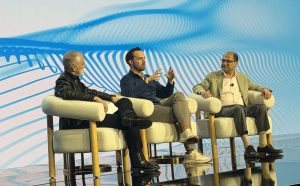
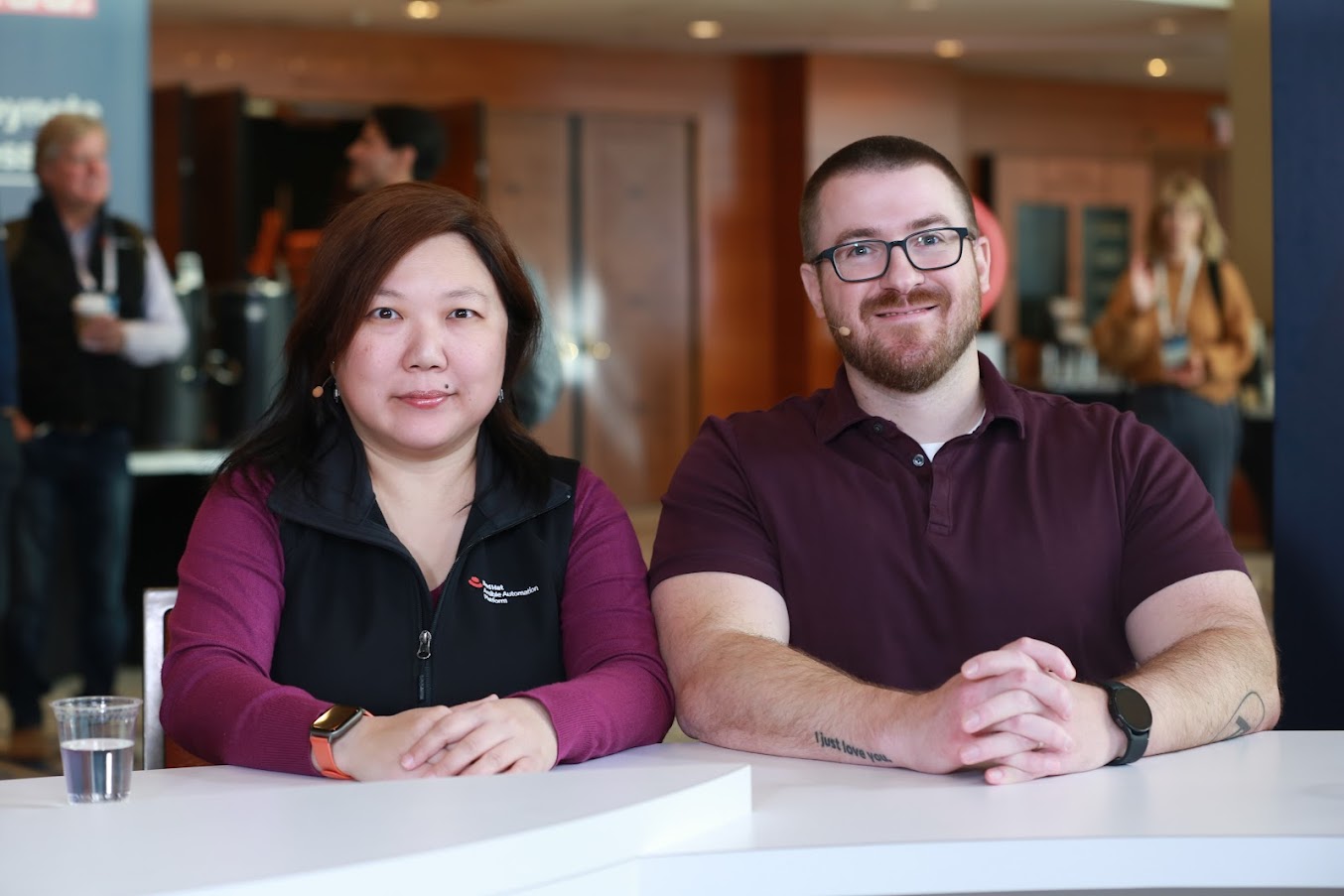
“We found ourselves in a place where the community itself had more or less segmented naturally, and we needed to find ways to heal that fragmentation,” said Adam Miller (pictured, right), senior principal software engineer at Red Hat Inc.
Miller and Carol Chen (pictured, left), principal community architect for Ansible at Red Hat, spoke with theCUBE industry analysts John Furrier and Lisa Martin at the AnsibleFest event, during an exclusive broadcast on theCUBE, SiliconANGLE Media’s livestreaming studio. They discussed how Ansible was recovering its community post-COVID. (* Disclosure below.)
Now, Red Hat is helping the developer community heal in several ways. Attempting to move discussions to follow the lines of the Ansible Collections is one way that they are approaching new collaboration. Collections are a distribution format for Ansible content, according to Miller. The Red Hat-sponsored automation platform already has been trying to get its open-source module developers to shift from core Ansible repositories into those collections.
Open-source messaging platform Matrix is another tool. That real-time collaboration standard proffers decentralized communications. It allows for communications without all parties having to use the same app, and real-time data can be shared using web.
‘We’re able to use [it] to start to bridge back some of those communities that had broken-off and made their own home elsewhere on the internet,” Miller said. “People from all over the world in different areas and different platforms [will] coalesce.”
The duo believes that these efforts will trigger more in-person, focused, less asynchronous meetups. Chen has seen more in-person meetings of late.
“They’re trying to get people back together again … from pretty much all corners of the globe — the local connection with people in the region, sometimes in their own language, in their local languages, to really work together on the project,” Chen said.
Here’s the complete video interview, part of SiliconANGLE’s and theCUBE’s coverage of the AnsibleFest event:
(* Disclosure: TheCUBE is a paid media partner for the AnsibleFest event. Neither Red Hat Inc., the main sponsor for theCUBE’s event coverage, nor other sponsors have editorial control over content on theCUBE or SiliconANGLE.)
Support our mission to keep content open and free by engaging with theCUBE community. Join theCUBE’s Alumni Trust Network, where technology leaders connect, share intelligence and create opportunities.
Founded by tech visionaries John Furrier and Dave Vellante, SiliconANGLE Media has built a dynamic ecosystem of industry-leading digital media brands that reach 15+ million elite tech professionals. Our new proprietary theCUBE AI Video Cloud is breaking ground in audience interaction, leveraging theCUBEai.com neural network to help technology companies make data-driven decisions and stay at the forefront of industry conversations.