



 AI
AI
AI
AI

AI

This week, the tech world was shocked by the news of the murder of 43-year-old Bob Lee, the founder of Cash App, who was fatally stabbed in downtown San Francisco.
Local police have said the investigation is still in its early stages and have yet to comment in detail on the circumstances that led to the stabbing. In the meantime, family, friends and the tech community have mourned Lee’s death. His longtime friend Tommy Sowers told the Guardian that Lee possessed an “innate kindness.”
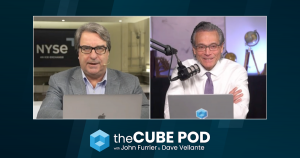
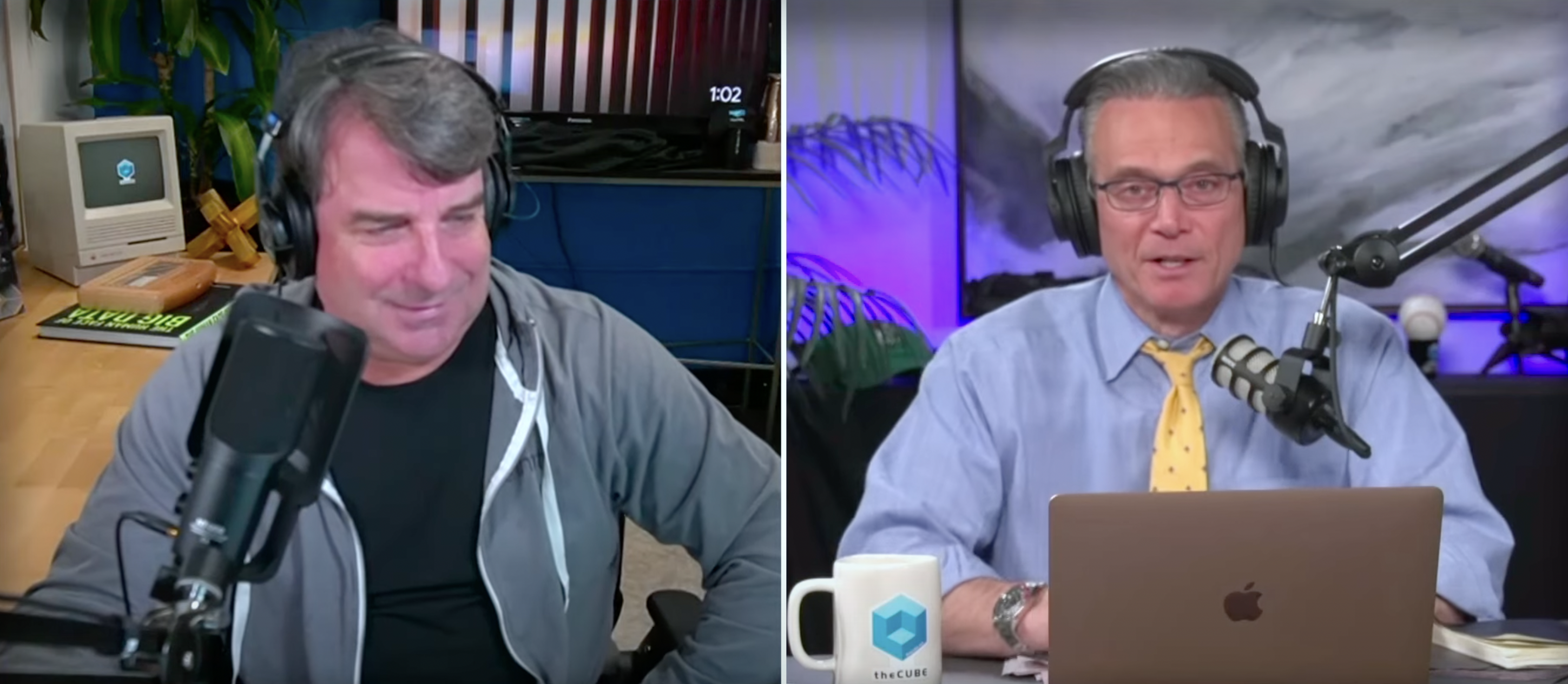
The incident “hit home,” given Lee’s background as a tech founder in Silicon Valley, according to theCUBE industry analyst John Furrier (pictured, left) on last Friday’s episode of theCUBE Podcast.
“No one knows what happened, no suspect. And it’s almost like one of your own,” Furrier said. “It’s like, ‘Hey, you’re gonna move to San Francisco, pursue the entrepreneurial dream, and it’s not safe.’ This is going to have an impact on entrepreneurship, so the city’s got to get their act together.”
In other news, Elon Musk is grabbing attention yet again. It seems as if theCUBE Podcast could dedicate a segment to the latest Elon Musk news each week, Furrier added. Last week, it was Musk getting in the mud to slow artificial intelligence development. This week, Musk’s Twitter labeled NPR as “state-affiliated media,” a characterization the media organization rejected.
“It’s like Russian media, state-affiliated media, which is a complete insult,” Furrier said. “Prior to this tag, it said on there that they were an example of what isn’t state-affiliated media, along with the BBC. So, clearly, this is one of those things where it’s a troll. I call it the troll of the century, because he’s basically trying to get at them for some vendetta.”
NPR is “passive liberalism” that does high-quality reporting but isn’t “state-sponsored media,” according to theCUBE industry analyst Dave Vellante (right).
“You know me, John, I’m down the middle. I tell my friends on the left that … Fox News, when they’re not spewing, actually is really good reporting,” Vellante said. “And I tell my friends on the right, The New York Times and NPR is actually really good reporting when they’re not opining.”
Another frequent subject on theCUBE Podcast has been the latest in generative AI, which continues to evolve weekly. As Furrier put it, March Madness may be over but AI madness continues. But he said that he’s spoken to around a dozen venture capitalists this week, all of whom are saying that this is the worst market they’ve ever seen — even worse than the dot-com bubble, from a down market round standpoint.
“Seed rounds are up a little bit, because the discount goes to the VCs … it’s a buyer’s market for the VCs; it’s not a seller’s market,” Furrier said. “Cs are doing seed rounds.”
Anyone selling into tech is hurting right now, with their growth rates way down, according to Vellante. Many such companies have maybe 12 months or less of cash flow.
“That’s a concern. But I think the firms that are outside of selling to tech are doing OK. Some of these startups, because they’re VCs, have probably done some layoffs,” Vellante said. “Maybe like a lot of things, it’s overhyped at the beginning, underhyped at the tail end. This may be the start of just a completely new wave of automation and innovation.”
There are likely unicorns that will emerge in the space that no one has seen coming yet, Furrier explained, estimating that number to be somewhere in the range of at least six to 10. So the question then is, what will those unicorns look like?
It’s an open question as to whether OpenAI will get a first-mover advantage, according to Vellante.
“At first I thought no. And then I thought, well, maybe because they got the early data. Then I’m playing around with [Google] Bard a little bit and seeing some other things come out. I like Bard because it said theCUBE was number one,” Vellante said. “But then you get this plugin model. And I think a new business model is going to emerge out of this that we really haven’t even thought of yet.”
That was just part of the conversation on last Friday’s episode of theCUBE Podcast. If you’re a listener, let Furrier and Vellante know on Twitter what subjects you’d like to hear discussed in the next episode.
Don’t miss out on the latest episodes of “TheCUBE Podcast”! Join us by subscribing to our RSS feed. You can also listen to us on Apple Podcasts or on Spotify. And for those who prefer to watch, check out our YouTube playlist.
Support our mission to keep content open and free by engaging with theCUBE community. Join theCUBE’s Alumni Trust Network, where technology leaders connect, share intelligence and create opportunities.
Founded by tech visionaries John Furrier and Dave Vellante, SiliconANGLE Media has built a dynamic ecosystem of industry-leading digital media brands that reach 15+ million elite tech professionals. Our new proprietary theCUBE AI Video Cloud is breaking ground in audience interaction, leveraging theCUBEai.com neural network to help technology companies make data-driven decisions and stay at the forefront of industry conversations.