




 AI
AI
AI
AI
AI

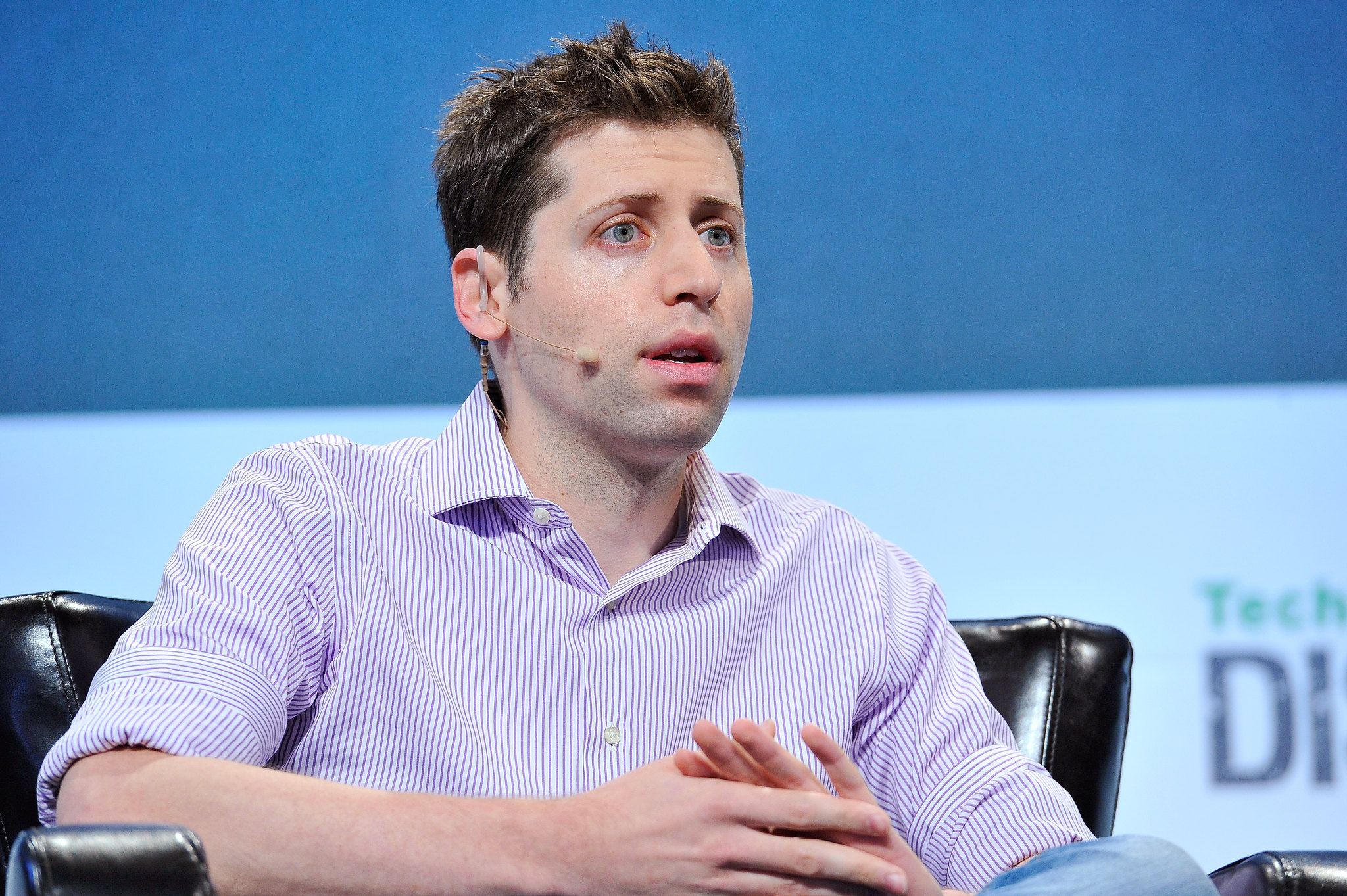
A day after suggesting OpenAI LP could leave the European Union, Chief Executive Sam Altman has stated the startup has “no plans” to do so.
“We are excited to continue to operate here and of course have no plans to leave,” Altman wrote in a tweet today following a visit to the EU and the U.K. The trip is part of a world tour that is expected to see the executive meet with officials in 17 countries.
The prospect of OpenAI leaving the EU was raised in the context of a proposed law called the AI Act. The legislation seeks to regulate the use of artificial intelligence within the bloc. Last month, EU lawmakers extended the AI Act with additional rules focused on companies that are building foundational models.
The new rules would apply to OpenAI on account of GPT-4 and its other advanced foundation models. On Thursday, during a visit to London, Altman addressed the update to the AI Act. “The details really matter,” Altman told reporters. “We will try to comply, but if we can’t comply we will cease operating.”
Altman’s remarks drew criticism from EU officials. “There is no point in attempting blackmail — claiming that by crafting a clear framework, Europe is holding up the rollout of generative AI,” Thierry Breton, the EU’s internal market commissioner, tweeted on Thursday. “To the contrary! With the ‘AI Pact’ I proposed, we aim to assist companies in their preparation to EU AI Act.”
Several members of the European Parliament also criticized Altman’s remarks. Altman stated during his visit to London that “the current draft of the EU AI Act would be over-regulating, but we have heard it’s going to get pulled back.” EU parliamentarian Dragos Tudorache, a co-rapporteur for the AI Act, was quoted by Reuters as saying that “I don’t see any dilution happening anytime soon.”
The AI Act would require companies building foundation models to disclose if their training datasets include copyrighted material. Additionally, the legislation specifies such companies must identify potential risks associated with their models and address them. Under the AI Act, foundation models will have to meet a set of “design, information and environmental” requirements.
The original version of the AI Act, which didn’t place as big an emphasis on foundation models, was released in 2021. EU parliamentarians published the current draft four weeks ago to this day. The final version of the legislation will be developed through negotiations among the European Parliament, the European Commission and EU member states.
Support our mission to keep content open and free by engaging with theCUBE community. Join theCUBE’s Alumni Trust Network, where technology leaders connect, share intelligence and create opportunities.
Founded by tech visionaries John Furrier and Dave Vellante, SiliconANGLE Media has built a dynamic ecosystem of industry-leading digital media brands that reach 15+ million elite tech professionals. Our new proprietary theCUBE AI Video Cloud is breaking ground in audience interaction, leveraging theCUBEai.com neural network to help technology companies make data-driven decisions and stay at the forefront of industry conversations.