



 INFRA
INFRA
INFRA
INFRA

INFRA

The need for IT modernization and cloud transformation is especially pertinent in companies operating complex supply chains.
One of those is the automotive aftermarket parts provider Advance Auto Parts Inc., which has undergone rigorous cloud transformation for reduced time to value and increased speed of innovation.
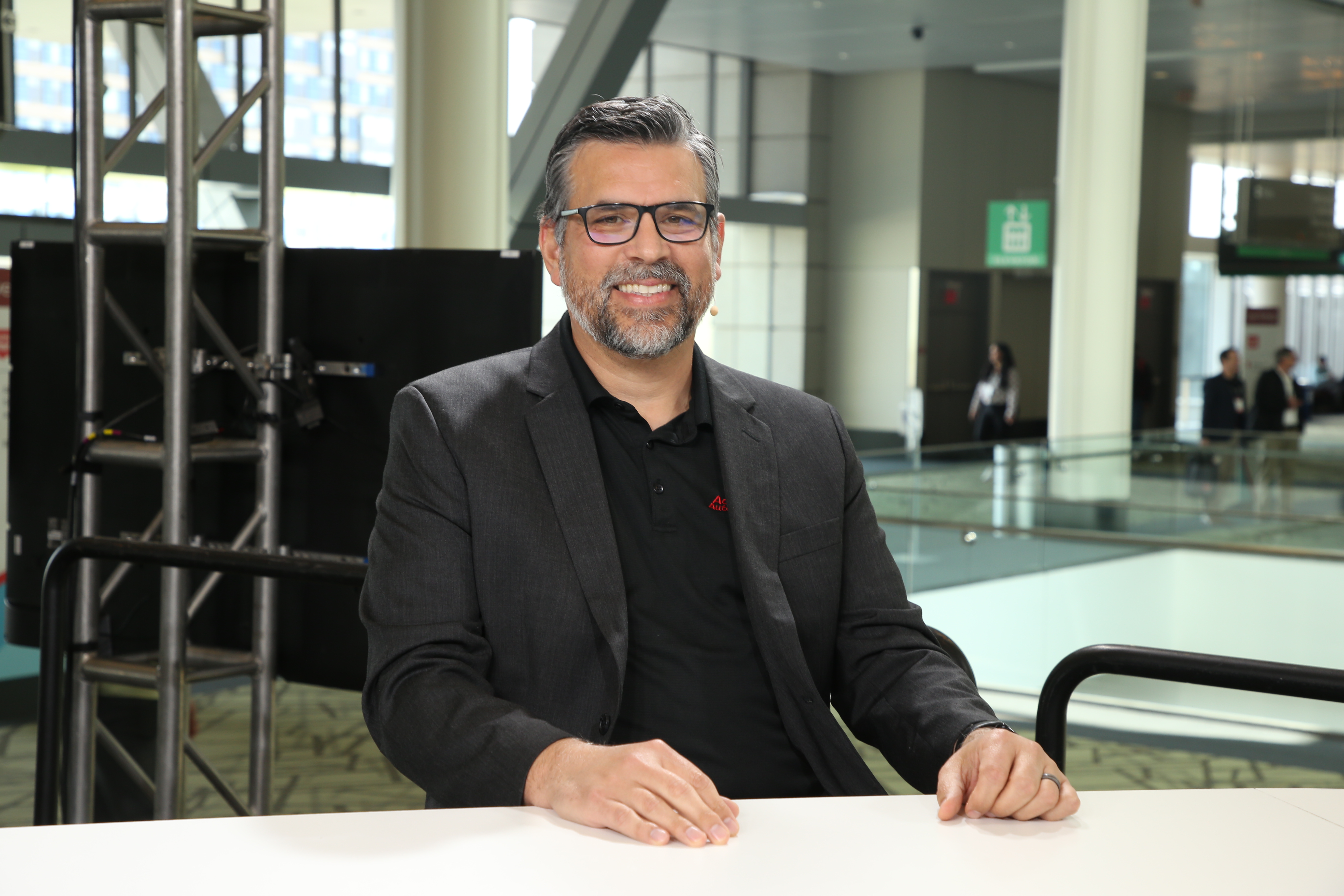
“It’s life in the fast lane at a Fortune 500 company with major logistics operations going on, but things are good,” said Adolfo Rodriguez (pictured), senior vice president of technology transformation at Advance Auto Parts. “We’re heavy down the path of evolving and leveraging cloud technologies to make us work better … For us, it’s been about evolving from having technology be a hindrance to serving our customers, to being a differentiator in serving them.”
Rodriguez spoke with theCUBE industry analysts John Furrier and Rob Strechay at Red Hat Summit, during an exclusive broadcast on theCUBE, SiliconANGLE Media’s livestreaming studio. They discussed details on the modernization journey at Advance Auto Parts. (* Disclosure below.)
With around 5,000 physical store locations and over 60 dedicated data centers, Advance Auto Parts is one of the largest operators in its niche. In addition, the company operates several sales channels, from in-store to e-commerce and certified installer and workshop networks.
Managing and streamlining such a complex operating infrastructure is the key reason for the accelerated modernization currently underway at the company, according to Rodriguez.
“It’s a pretty big spread … it’s both physical and digital commerce channels across that entire market segment,” Rodriguez said. “So, when you look at it collectively, the so-called “phygital” model is starting to become really a big focus of ours. It’s not about one or the other, but it’s about how you can really seamlessly leverage both to drive a unique customer experience.”
While Advance Auto Parts’ relationship with Red Hat has existed for years, OpenShift took it up a level by allowing the company to leverage Kubernetes for purpose-built capabilities within its software, Rodriguez added.
“OpenShift’s is really our standard embracing the open standard of Kubernetes and allowing us to build software that makes us special,” Rodriguez stated. “That allows us to deliver the capability we need faster and certainly more cost-effectively. From a container-based perspective, that’s our standard tried-and-true approach.”
(* Disclosure: Red Hat Inc. sponsored this segment of theCUBE. Neither Red Hat nor other sponsors have editorial control over content on theCUBE or SiliconANGLE.)
Support our mission to keep content open and free by engaging with theCUBE community. Join theCUBE’s Alumni Trust Network, where technology leaders connect, share intelligence and create opportunities.
Founded by tech visionaries John Furrier and Dave Vellante, SiliconANGLE Media has built a dynamic ecosystem of industry-leading digital media brands that reach 15+ million elite tech professionals. Our new proprietary theCUBE AI Video Cloud is breaking ground in audience interaction, leveraging theCUBEai.com neural network to help technology companies make data-driven decisions and stay at the forefront of industry conversations.