










 IOT
IOT
IOT
IOT
IOT

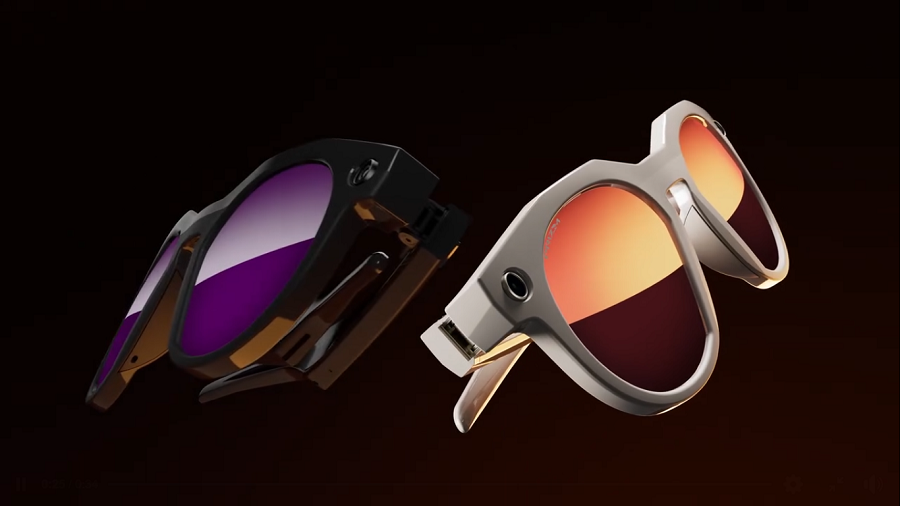
Meta Platforms Inc. today debuted a pair of smart glasses called the Oakley Meta HSTN that will ship with a built-in artificial intelligence assistant.
The device is the fruit of a collaboration with sport eyewear maker Oakley. Its parent company, Milan-based Luxottica Group SpA, also helped Meta build its earlier Ray-Ban Meta lineup of AI smart glasses. The latter product family topped 2 million in unit sales in February.
The Oakley Meta HSTN features a front-facing camera with Ultra HD resolution, which corresponds to 2,880 by 1,620 pixels. That’s up from the 1,440 by 1,920 pixels offered by the previous-generation Meta Ray-Ban series. There are also speakers and microphones that allow the user to interact Meta AI, the Facebook parent’s ChatGPT alternative.
The glasses’ electronic components are powered by a battery with significantly more capacity than the one in the Ray-Ban Meta series. It supports up to eight hours of “typical use” per charge, which more than doubles to 19 hours in standby mode. Users can extend the glasses’ battery life by 27 hours using the charging case included in the box, which functions as a power source.
The Oakley Meta HSTN’s components are set in a frame with IPX4 rating. This means that the device can withstand exposure to small amounts of water, such as light rain, but not immersion.
Some Oakley Meta HSTN pairs will include PRIZM, a technology developed by Oakley to filter visual noise. It uses specialized materials placed on the lens to boost contrast, which the eyewear company says can improve visibility in various weather conditions. Prescription lenses are supported as well.
The debut of the Oakley Meta HSTN comes a few days after the Facebook parent detailed the Aria 2, a pair of smart glasses designed for AI researchers. The latter device could hold clues about Meta’s product roadmap in the eyewear market.
The Aria 2 ships with not a single camera like Oakley Meta HSTN but rather four. Two of them feature stereo lenses, which means that they can measure depth. The cameras’ stereo overlap, the portion of their field of view in which they can collect depth data, is 80 degrees. That’s more than double what Meta’s first-generation Aria 1 research glasses managed.
According to Meta, the device’s stereo cameras allow it to power computer vision models that use depth data. For example, it could run a hand tracking model that allows users to interact with apps using hand gestures.
Alongside its cameras, Aria 2 includes several other sensors. One sensor estimates the wearer’s heart rate, while another measures ambient light levels. The latter module allows the Aria 2 to determine whether the user is indoor or outdoor based on lightning conditions and adjust its settings accordingly.
The Aria 2’s sensors are powered by a custom processor. According to Meta, the chip is capable of running certain AI models locally, which allows the device to work without internet access. The company hasn’t shared any details about the processor in the Oakley Meta HSTN.
Meta plans to start shipping Oakley Meta HSTN glasses this summer for $399, a $100 increase over the Ray-Ban Meta’s launch price. The device will be available in six versions with different frame designs. Three of the editions will include Oakley’s PRIZM lens technology for filtering visual noise.
Support our mission to keep content open and free by engaging with theCUBE community. Join theCUBE’s Alumni Trust Network, where technology leaders connect, share intelligence and create opportunities.
Founded by tech visionaries John Furrier and Dave Vellante, SiliconANGLE Media has built a dynamic ecosystem of industry-leading digital media brands that reach 15+ million elite tech professionals. Our new proprietary theCUBE AI Video Cloud is breaking ground in audience interaction, leveraging theCUBEai.com neural network to help technology companies make data-driven decisions and stay at the forefront of industry conversations.