 AI
AI
AI
AI











AI

Artificial intelligence is already used for identity theft in a number of ways, from artificial intelligence-enhanced phishing to deepfakes.
At Delinea Inc., the focus is on securing customers’ identities through rigorous internal detection. Although AI-enhanced cyber attacks might be a fact of life, companies can take measures on their own turf to help minimize threats.

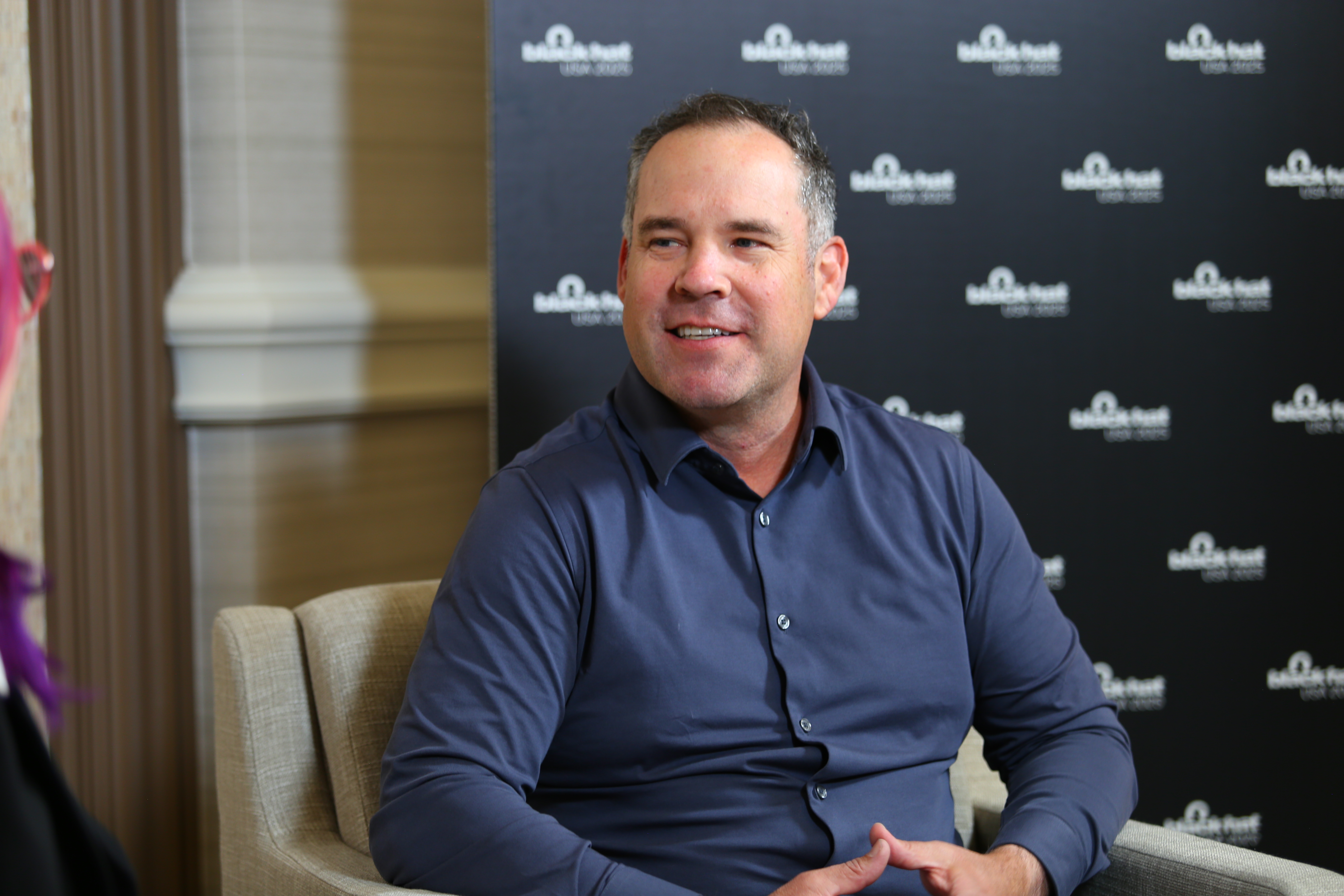
“Most of what customers are struggling with is compromised credentials,” said Jon Kuhn (pictured), senior vice president of products at Delinea. “Those are one of the key risks that people are dealing with in terms of exfiltration of data. This is the subject that we tackle at Delinea, [which] is to really look at how can we help our customers reduce their blast radius from identity threats.”
Kuhn spoke with theCUBE’s Jackie McGuire at the Black Hat USA event, during an exclusive broadcast on theCUBE, SiliconANGLE Media’s livestreaming studio. They discussed Delinea’s AI-powered threat detection software and why companies can struggle to prevent unauthorized access. (* Disclosure below.)
One of the biggest threats to cybersecurity is “shadow IT,” or when employees use AI or other risky technologies without the company’s knowledge. This phenomenon arose with the transition to using personal computers for work, the advent of generative AI tools and the need for remote work during the pandemic. Now, companies are hoping to prevent identity theft by managing access within their organizations through tools such as Delinea’s Iris AI, according to Kuhn.
“We have the technology now with Iris AI, which is able to understand the authorization pieces, what is happening throughout that session and be able to flag that for the administrator to take action in an automated way,” he said. “That may be destroying the connection, it may be stopping the access altogether.”
Iris AI addresses potential threats by analyzing whether a user is accessing a critical asset and the intention behind that user’s action. The first step for a company trying to prevent unauthorized access, according to Kuhn, is sorting out any lingering issues in-house.
“When you’re dealing with AI and the frustration that our customers have, the first problem is visibility,” Kuhn said. “They don’t really know what’s lurking in their environment, and that’s the first question that we get from customers.”
Here’s the complete video interview, part of SiliconANGLE’s and theCUBE’s coverage of the Black Hat USA event:
(* Disclosure: Delinea Inc. sponsored this segment of theCUBE. Neither Delinea nor other sponsors have editorial control over content on theCUBE or SiliconANGLE.)
Support our mission to keep content open and free by engaging with theCUBE community. Join theCUBE’s Alumni Trust Network, where technology leaders connect, share intelligence and create opportunities.
Founded by tech visionaries John Furrier and Dave Vellante, SiliconANGLE Media has built a dynamic ecosystem of industry-leading digital media brands that reach 15+ million elite tech professionals. Our new proprietary theCUBE AI Video Cloud is breaking ground in audience interaction, leveraging theCUBEai.com neural network to help technology companies make data-driven decisions and stay at the forefront of industry conversations.