 AI
AI
AI
AI
AI

Google LLC’s DeepMind research unit is partnering with the nuclear fusion startup Commonwealth Fusion Systems LLC to see if it can help it generate almost unlimited amounts of clean energy using its most advanced artificial intelligence models.
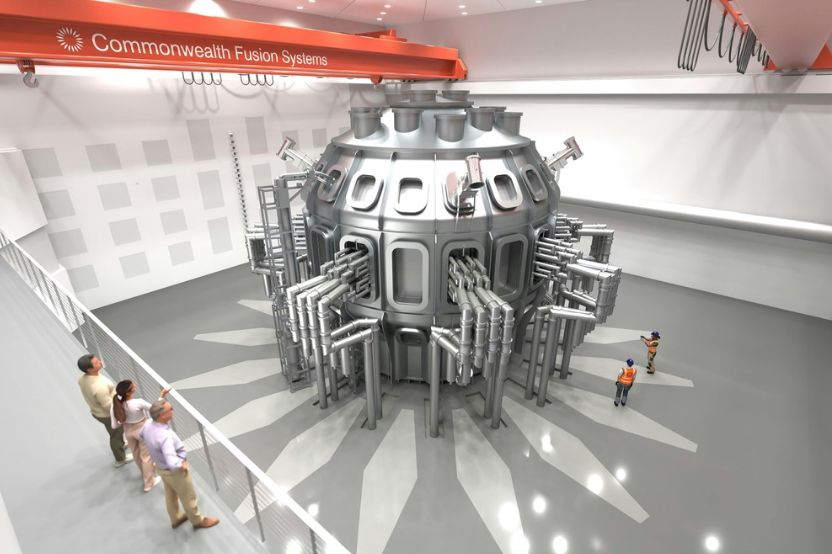
DeepMind will help the energy startup to manage, and perhaps even improve, its soon-to-be-launched Sparc reactor, which is key to generating fusion-based power.
In a blog post, DeepMind’s “Fusion Team” explained that it’ll be using its models to try and simulate the plasma that will burn inside the Sparc reactor, so that they can work out how to control it properly. It has created a specialized software program to do this, called Torax, and that software will also be used in concert with other AI models to figure out the best way to enable fusion.
It’s a noble goal, because nuclear fusion has for years been the Holy Grail of clean energy. It can potentially provide humans with an almost unlimited source of power with absolutely zero carbon emissions, because its main fuel is water. So it makes sense for Google to want to support anyone who can crack the challenge of getting nuclear fusion to work, given the incredible energy requirements of its AI data centers. And if Google can also help CFS become a customer, all the better.
DeepMind’s fusion team explained that AI can potentially be extremely helpful to nuclear fusion startups. They should probably know, considering that Google has also been working with another company called TAE Technologies Inc. for the best part of a decade to study the properties of plasma.
The challenge that CFS faces is that it’s a bit of a struggle to keep the plasma inside its fusion reactor at a hot enough temperature to start generating energy. It has to be kept at extremely high temperatures for long durations, and that isn’t an easy thing to do.
Whereas nuclear fission reactions are self-sustaining once they’re started, fusion reactions only keep going like this when they’re taking place inside a star. The star provides the required gravity and mass to sustain the fusion almost indefinitely, but without that kind of heft, the plasma tends to diffuse and the reactions fizzle out.
With its Sparc reactor, CFS intends to use powerful magnets instead of a star’s gravity to try to steady the plasma and keep its fusion reaction ticking over to generate a constant stream of energy. However, these magnets need to perform an incredibly delicate balancing act, and that requires the development of specialized control software that can monitor the plasma and adjust the magnets in reaction to its constantly changing state.
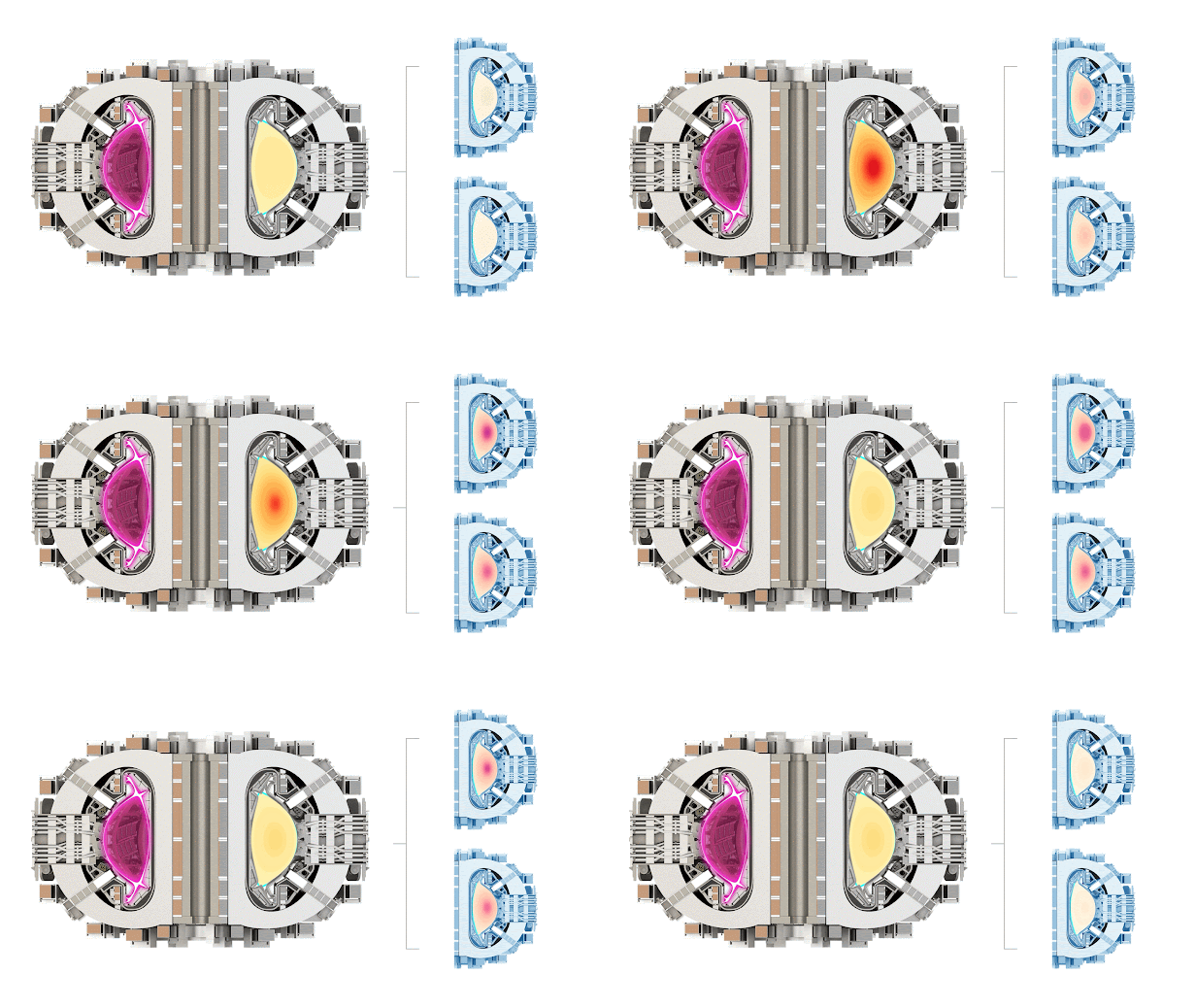
Visualizations of a cross section through SPARC. Left: The plasma in fuchsia. Right: An example plasma pulse simulated in TORAX, showing changes in the plasma pressure. Far right: We show that adjusting control commands changes the plasma performance, resulting in different plasma pulses.
The challenge is that CFS needs to make millions of minute adjustments each second, and no human has the capacity to keep up with such demands. But AI might be able to step in and do it. Already, AI has helped the nuclear fusion industry to make significant advances in the last few years, and DeepMind thinks it’s well suited to the problem of plasma control too.
Constellation Research Inc. analyst Holger Mueller told SiliconANGLE that it’s an extremely interesting use case for AI that can potentially have much more dramatic implications for all of mankind. “AI is changing everything, and while some of these changes have already been noticed, others will be much more obscure, and will only be noticed later, such as if it can be successfully used to control plasma and give us unlimited energy,” the analyst said.
If DeepMind and CFS can succeed in this endeavor, it bodes well for the future of AI itself, because there’s just not enough energy available in the world to power all of the use cases that have been envisioned for this technology, Mueller added. “AI needs more energy to power more AI, and this is a great example of how it can help to put innovative new technologies within reach,” he said.
CFS has said that the Sparc reactor will be finished sometime next year. Once it’s up and running, the company believes it will be the first fusion device in the world that’s able to generate more energy than its own power requirements. In other words, it’s hoped it will be the first fusion reactor that can squeeze out a surplus of energy, and if so, prove that fusion-based power is an achievable goal.
According to DeepMind, the plan is to combine Torax with reinforcement learning and evolutionary search models to try and discover the most efficient and sustainable way to generate an energy surplus. They’ll also work on devising AI systems that can control the reactor itself.
Google has a vested interest in seeing CFS succeed, and not only because it can potentially obtain a huge source of incredibly cheap energy. It’s also one of the startup’s biggest financial backers, having participated in its $863 million Series B2 funding round in August, together with Nvidia Corp.
As part of that deal, Google has committed to buying 200 megawatts of energy from CFS, if and when it’s able to get its first commercial power plant up and running.
Support our mission to keep content open and free by engaging with theCUBE community. Join theCUBE’s Alumni Trust Network, where technology leaders connect, share intelligence and create opportunities.
Founded by tech visionaries John Furrier and Dave Vellante, SiliconANGLE Media has built a dynamic ecosystem of industry-leading digital media brands that reach 15+ million elite tech professionals. Our new proprietary theCUBE AI Video Cloud is breaking ground in audience interaction, leveraging theCUBEai.com neural network to help technology companies make data-driven decisions and stay at the forefront of industry conversations.