 SECURITY
SECURITY
SECURITY
SECURITY

A new report out today from Google Cloud Security is warning of artificial intelligence-driven cyberthreats and rising global extortion rates next year.
The Cybersecurity Forecast 2026 report details how AI will transform both cyberattacks and defenses and how ransomware and state-sponsored operations continue to escalate worldwide, while offering a data-driven look at how the global cyber landscape will evolve over the next year.
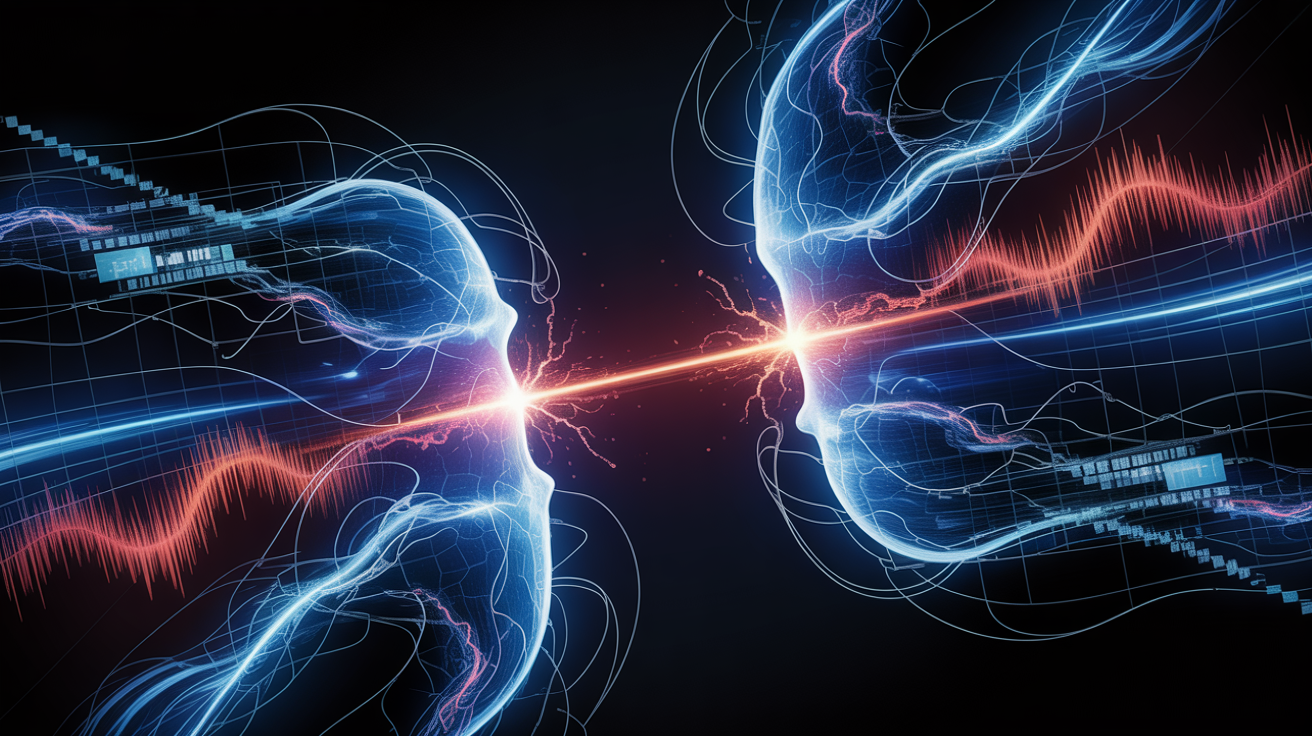
Leading the list of predictions in the report is that threat actors will fully embrace AI, with AI expected to become a standard weapon for attackers, accelerating social engineering, malware creation and impersonation campaigns. Google predicts that multimodal generative AI tools capable of manipulating voice, text and video will fuel a new wave of business email compromise and hyper-realistic phishing, blurring the line between human and machine deception.
Prompt injection, the manipulation technique that tricks AI systems into executing hidden malicious commands, is also forecast to grow in 2026 as enterprises integrate large language models into everyday workflows. The attacks can bypass internal controls and lead to large-scale data breaches, with Google saying it is defending against the threat through model hardening, security guardrails and content filtering designed to keep models aligned with user intent.
Another emerging threat highlighted in the report is the risk of shadow agents, or what Google calls the “shadow agent challenge.” Shadow agents are unauthorized AI agents that employees deploy independently to automate tasks that create invisible and uncontrolled data pipelines that can expose organizations to security, compliance and privacy risks.
Dealing with the shadow agent issue isn’t straightforward. Banning agents is not a viable option, as it only drives usage off the corporate network and, in doing so, eliminates visibility. To tackle the issue, the report argues that organizations will need new disciplines for AI security governance, complete with monitoring, routing controls and identity frameworks that treat AI agents as managed digital entities.
“Organizations need to be prepared for threats and adversaries leveraging AI,” said Jon Ramsey, vice president and general manager of Google Cloud Security.
The report also delves into ransomware and data-theft extortion following a year when attack volumes hit record highs.
In 2026, the combination of ransomware, data theft and multifaceted extortion is forecast to be the most financially disruptive category of cybercrime globally. The report says that this is not only because of the sustained quantity of incidents but also the cascading economic fallout that consistently impacts suppliers, customers and communities beyond the initial victim.
Virtualization infrastructure also gets mention as a critical blind spot to pay attention to in 2026. The report notes that the foundational layer, long considered a pillar of strength, is now emerging as a critical blind spot due to a confluence of systemic vulnerabilities. A single compromise could grant control over hundreds of systems within hours, forcing defenders to rethink how they protect the core of their information technology stacks.
“2026 will usher in a new era of Al and security, both for adversaries and defenders,” the report concludes. “While threat actors will leverage Al to escalate the speed, scope and effectiveness of attacks, defenders will also harness Al agents to supercharge security operations and enhance analyst capabilities. To navigate this complex and rapidly evolving environment, organizations must prioritize proactive, multi-layered defense strategies, invest in Al governance and continuously adapt their security postures to safeguard against emerging threats and ensure operational resilience.”
Support our mission to keep content open and free by engaging with theCUBE community. Join theCUBE’s Alumni Trust Network, where technology leaders connect, share intelligence and create opportunities.
Founded by tech visionaries John Furrier and Dave Vellante, SiliconANGLE Media has built a dynamic ecosystem of industry-leading digital media brands that reach 15+ million elite tech professionals. Our new proprietary theCUBE AI Video Cloud is breaking ground in audience interaction, leveraging theCUBEai.com neural network to help technology companies make data-driven decisions and stay at the forefront of industry conversations.