



 AI
AI
AI
AI

AI

A new wave of high-density systems is pushing data center capacity to its limits, turning power, cooling and physical layout into the first bottlenecks teams have to solve.
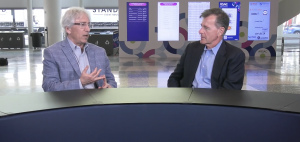
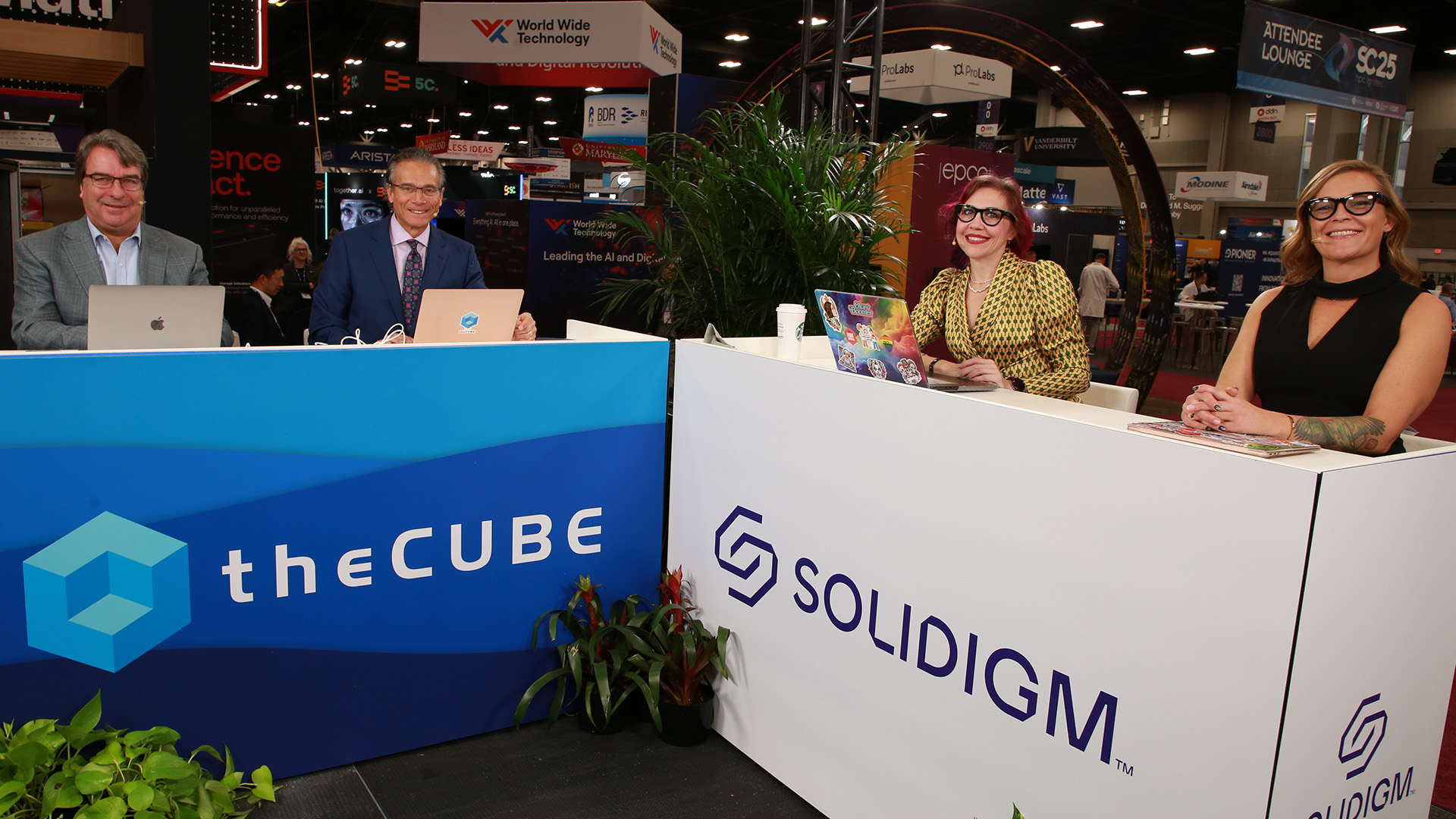
That pressure is shaping today’s infrastructure conversation and set the stage for a revealing observation, according to John Furrier (pictured, left), executive analyst at theCUBE Research.
“Four years ago, we saw [SC22] as an AI show, and merging now is full-blown AI — and it’s a data center love fest here,” Furrier said. “You’re starting to see this show move from old school HPC, which is like glaciers moving every year … and then all of a sudden Nvidia hits the scene. I think you saw a massive explosion of … they call it computing. Four years ago it was just the basic chips were coming out. That was the beginning of the large-scale clusters. Now, all the top hyperscalers, neoclouds and anyone who’s got serious data center chops [are] loving life. Hence, the bubble conversation going on and all the investments on the CapEx — the buildouts are there. It’s definitely an AI tsunami on the infrastructure.”
Furrier spoke with fellow theCUBE analysts Dave Vellante (second from left), Jackie McGuire (second from right) and Savannah Peterson (right) at SC25, during an exclusive broadcast on theCUBE, SiliconANGLE Media’s livestreaming studio. They talked about global high-performance computing momentum, AI infrastructure pressures and the growing challenges around data center capacity. (* Disclosure below.)
As AI systems grow heavier, hotter and more computationally demanding, the physical limitations of legacy facilities are becoming impossible to ignore. Traditional raised-floor layouts and aging foundations can’t support today’s rack weights or thermal loads, creating a clear divide between centers that can handle AI and those that can’t. This tension is fueling conversations about repurposing older facilities into storage-first environments or completely rebuilding infrastructure from the ground up, McGuire explained.
“You can’t put AI racks in old data centers, the foundations can’t hold the weight,” she said. “I think those data centers will actually be converted to storage centers.”
At the same time, a surge of global investment is reshaping the character of the HPC ecosystem. Countries such as Taiwan and Japan are showing up more prominently, reinforcing how worldwide competition and national technology strategies are now entwined with infrastructure decisions. What once felt like a primarily U.S.-centric gathering has evolved into a multinational showcase of long-term ambition, accelerated buildouts and high-performance engineering, Peterson noted.
“The world is at this show now,” she said. “When we were sitting in Dallas [at SC22] … it wasn’t this global commitment. This is the big show for HPC.”
Data center capacity is also being pressured by dramatic changes in software behavior. With AI agents producing massive volumes of logs, retraining cycles and model histories, storage requirements are skyrocketing. Every action must be captured, retained and governed, often for years at a time — adding a new dimension to the design and economics of modern HPC, McGuire explained.
“There’s going to be a massive volume of storage generated by agents,” she added. “Those logs have to be retained anywhere from a couple years to a decade — if you’re dealing with Medicare [it’s] for [a] decade from the date of service.”
On top of the technical challenges, the economics and physical realities of scaling capacity raise new questions about sustainability. From global supply chains to construction labor shortages, the sheer intensity of demand is forcing organizations to take a longer view of where the industry is heading — and how quickly it can get there.
“This is the vacuum there … people will fill it,” Vellante said. “You know these bubbles; I don’t think we’re in a bubble because I think the demand [is] still far out … but the demand far outstrips the supply. When that flips, maybe that’s when the bubble bursts.”
Here’s the complete video interview, part of SiliconANGLE’s and theCUBE’s coverage of SC25:
(* Disclosure: TheCUBE is a paid media partner for SC25 event. Sponsors of theCUBE’s event coverage do not have editorial control over content on theCUBE or SiliconANGLE.)
Support our mission to keep content open and free by engaging with theCUBE community. Join theCUBE’s Alumni Trust Network, where technology leaders connect, share intelligence and create opportunities.
Founded by tech visionaries John Furrier and Dave Vellante, SiliconANGLE Media has built a dynamic ecosystem of industry-leading digital media brands that reach 15+ million elite tech professionals. Our new proprietary theCUBE AI Video Cloud is breaking ground in audience interaction, leveraging theCUBEai.com neural network to help technology companies make data-driven decisions and stay at the forefront of industry conversations.