

 AI
AI
AI
AI

AI

Enterprise data integration is fast becoming the quiet power broker behind modern AI, reshaping how companies stitch together sprawling data estates, evolving application stacks and an ever-widening menu of model options.
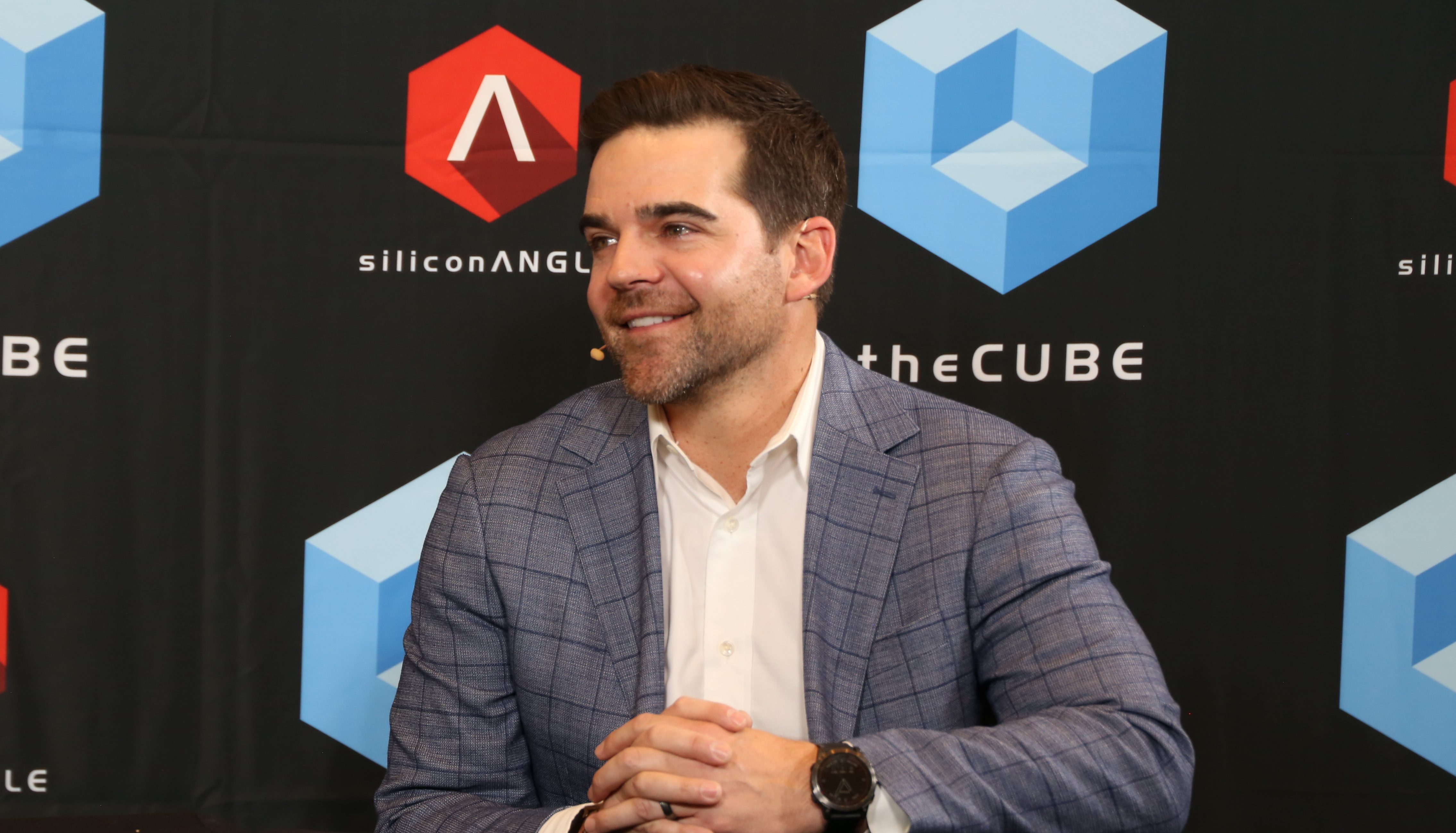
What’s emerging is less a tooling problem and more a coordination challenge — one that surfaces the moment agentic workflows and AI-driven operations start pulling from every corner of an organization. Companies want room to experiment without being trapped in brittle architectures, and that’s driving a new appetite for platforms that come pre-aligned, pre-tested and capable of moving in lockstep without closing the door on openness, according to Nick Johnston (pictured), senior vice president of partnerships at Salesforce Inc.
“We’ve always been an open platform and really love embracing the ecosystem, but now customers are asking for a lot of choice,” he told theCUBE. “Agentforce 360 for AWS … is a simplified procurement path and setup path for customers to basically decide to use Agentforce 360 … running top to bottom on AWS infrastructure and AWS model-hosting services.”
Johnston spoke with theCUBE’s John Furrier during theCUBE’s coverage of AWS re:Invent. TheCUBE, SiliconANGLE Media’s livestreaming studio, explored enterprise data integration, open ecosystems and how customers evaluate AI investments across their cloud environments.
Salesforce’s Data 360 platform — built on Amazon Web Services Inc. — has become a major focus for the company. The system harmonizes information from sources such as Redshift Global, Databricks Inc. and Snowflake Inc., enabling companies to activate data across applications, workflows and emerging AI agents, according to Johnston. That openness reflects a broader customer expectation: Integrate everything, move nothing and maintain governance across the stack.
“When we built [Data 360], we built it on AWS, first and foremost, but we also knew it had to be open,” he said. “We had to help our customers integrate and connect their data from sources that weren’t naturally connected to Salesforce … and then help our customers activate through our clouds.”
That foundation also supports deeper layers of model development and innovation. Nova Forge enables Salesforce to develop its own models using workflow context and system-level insights — an opportunity made possible by its shared infrastructure with AWS, Johnston explained. Future directions include voice-driven agents in the contact center and digital humans for scaled engagement and deeper collaboration in Slack.
“It’s really going to be about the combination of data, the workflow that we have in our CRM applications [and] the AI agents that sit on top of that — and you can’t forget Slack,” he said. “Slack is going to be a really big differentiator for us, where teams and people can collaborate with agents in the mix, and that’s a unique value prop.”
Here’s the complete video interview, part of SiliconANGLE’s and theCUBE’s coverage of AWS re:Invent:
Support our mission to keep content open and free by engaging with theCUBE community. Join theCUBE’s Alumni Trust Network, where technology leaders connect, share intelligence and create opportunities.
Founded by tech visionaries John Furrier and Dave Vellante, SiliconANGLE Media has built a dynamic ecosystem of industry-leading digital media brands that reach 15+ million elite tech professionals. Our new proprietary theCUBE AI Video Cloud is breaking ground in audience interaction, leveraging theCUBEai.com neural network to help technology companies make data-driven decisions and stay at the forefront of industry conversations.