


 AI
AI
AI
AI

AI

Artificial intelligence is often hailed as the ultimate productivity booster for the enterprise, but that same efficiency is quickly democratizing cybercrime. As AI coding agents lower the barrier to entry for writing malicious scripts, organizations face a new imperative: implementing agentic resilience to survive attacks that are faster and more sophisticated than ever before.
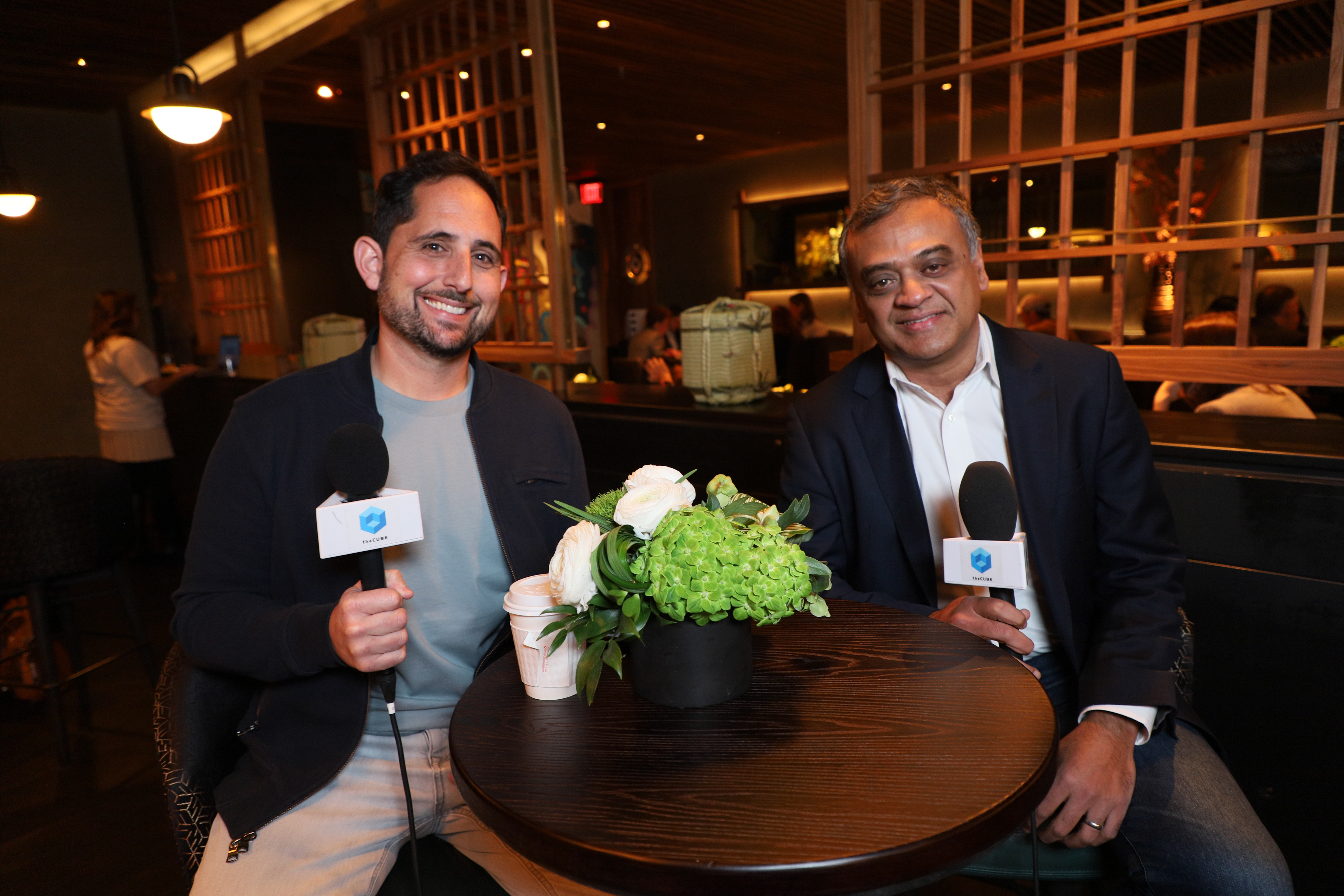
Because it’s easier than ever for attackers to get started, organizations must focus on resilience to be prepared to stop them. But this new mandate requires a shift in mindset regarding how quickly a business can recover clean systems without compromising sensitive customer information, according to Arvind Nithrakashyap (pictured, right), co-founder and chief technology officer of Rubrik Inc.
“Something that took a sophisticated knowledge of how to code is now being replaced by an agent that can do a lot of the heavy lifting for you,” Nithrakashyap told theCUBE. “Now somebody can take a zero-day vulnerability, give it to a coding agent and may be able to just write up a script that can exploit that very quickly. So the risks are even higher today with AI.”
Nithrakashyap spoke with Michael Ortega (pictured, left), director of AI marketing at Rubrik, during theCUBE’s coverage of the Rubrik “Resilience for Everything: Cloud, Identity, AI” interview series. They discussed the role of agentic resilience to prepare for a new wave of AI-powered attackers. (*Disclosure below.)
Contemporary security challenges are being compounded by the “great AI sprawl,” where organizations may soon have thousands of autonomous agents performing tasks across the enterprise, according to Nithrakashyap. This explosion creates a massive management hurdle, as non-human identities could eventually outnumber human employees tenfold, creating a critical need for agentic resilience strategies that can withstand identity-based attacks.
“If you think about what’s happening with AI, you’re going to have a lot of agents deployed. Some will operate with existing human identities,” he noted. “There’s going to be this huge sprawl of identities that organizations have to manage and the scale is only going to increase.”
Therefore, treating these AI agents with the same rigor as human employees is essential for maintaining a secure perimeter. Just as a new hire would not be handed the “keys to the kingdom” on day one without oversight, AI agents require strict policy-based governance, Ortega said. And ultimately, while attacks and hallucinations may look different across incidents, they share the same mandate for security leaders: recover fast, Nithrakashyap added.
“When you build a bridge, you assume that things will go wrong and you build for that,” Nithrakashyap said. “They have to assume that things will go wrong, [that] there’ll be cyber attacks and they have to be prepared for that and know how they can recover from that very quickly.”
Here’s the complete video interview, part of SiliconANGLE’s and theCUBE’s coverage of the Rubrik “Resilience for Everything: Cloud, Identity, AI” interview series:
(* Disclosure: Rubrik sponsored this segment of theCUBE. Neither Rubrik nor other sponsors have editorial control over content on theCUBE or SiliconANGLE.)
Support our mission to keep content open and free by engaging with theCUBE community. Join theCUBE’s Alumni Trust Network, where technology leaders connect, share intelligence and create opportunities.
Founded by tech visionaries John Furrier and Dave Vellante, SiliconANGLE Media has built a dynamic ecosystem of industry-leading digital media brands that reach 15+ million elite tech professionals. Our new proprietary theCUBE AI Video Cloud is breaking ground in audience interaction, leveraging theCUBEai.com neural network to help technology companies make data-driven decisions and stay at the forefront of industry conversations.