

 INFRA
INFRA
INFRA
INFRA
INFRA

Meta Platforms Inc. is launching a new infrastructure division called Meta Compute that will be tasked with overseeing its aggressive data center buildout for artificial intelligence.
Reuters reported that Meta plans to deploy new infrastructure that will ultimately consume tens of gigawatts of power this decade and scale to encompass hundreds of gigawatts in the long term. These efforts will now be headed up by the Meta Compute organization, which will be led by Meta’s head of global infrastructure and co-head of engineering Santosh Janardhan alongside former Safe Superintelligence Inc. co-founder Daniel Gross.
“We are establishing a new top-level initiative called Meta Compute,” wrote Meta founder and Chief Executive Mark Zuckerberg in a post on Threads. “Meta is planning to build tens of gigawatts this decade and hundreds of gigawatts or more over time. How we engineer, invest and partner to build this infrastructure will become a strategic advantage.”
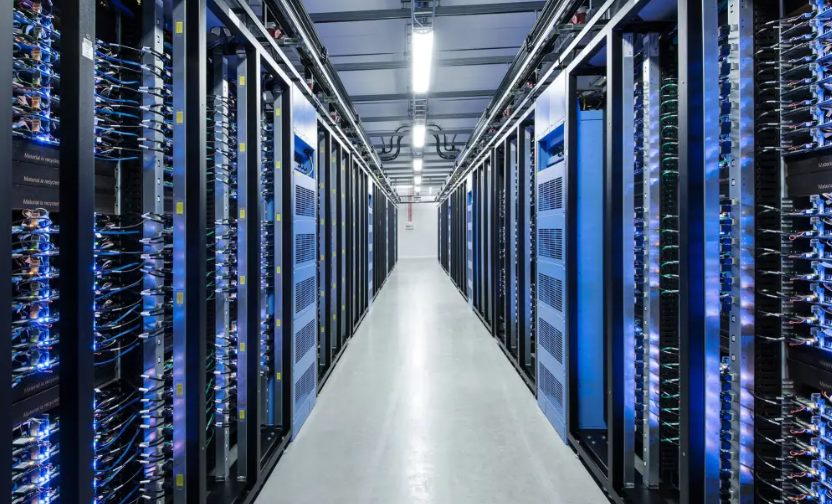
The main goal of Meta Compute is to systematically expand the company’s AI infrastructure at a scale that goes far beyond traditional data center growth. Though Meta already operates a global network of enormous data centers, what it’s trying to do is unprecedented.
With advanced AI models demanding compute power that’s measured in tens of gigawatts, the company needs to acquire more sophisticated hardware and construct hundreds of buildings to house it in. By creating a dedicated organization to handle this, the company hopes to be able to secure the land, hardware and energy it will need proactively, rather than struggle to keep up with demand reactively.
According to Zuckerberg, Janardhan will be focused on the technical aspects of Meta’s buildout, including the company’s overall system architecture strategy, its in-house silicon efforts, its software stack, development tools and the day-to-day operation of its global data center fleet.
As for Gross, he’ll be tasked with running a newly created group that’s focused on long-range capacity planning and developing the supply chain needed to ensure that the company has all of the chips, servers and networking gear required to fill up its new data centers. As part of his responsibilities, he’ll have to define Meta’s future computing needs ahead of time, manage its strategic supplier relationships, stay up to date with the latest industry dynamics and develop and plan new business models to support the company’s expansion at multi-gigawatt scale.
Zuckerberg said the new initiative will also centralize ownership of Meta’s technical stack, from the software and system architecture to the silicon, networks and data centers, ensuring that any investment decisions are made with maximum efficiency in mind. It also allows Meta to separate operational execution from long-term capacity planning and supply chain creation.
Creating a new organization to handle the infrastructure investments makes sense because the leading AI developers are no longer just software companies, but also bona fide infrastructure providers, said Holger Mueller of Constellation Research. Increasingly, AI companies are looking to run their most powerful models in their own data centers, where they can exercise greater control. “Zuckerberg’s reorganization is a reflection of one of the new realities of the AI era,” Mueller said. “Efficient access to cost-effective AI will determine who the winners are, and that is what Meta is trying to do.”
Janardhan and Gross will be working closely with Dina Powell McCormick, who joined the company today as its new President and Vice Chair. One of her roles will be to ensure that Meta’s multibillion-dollar infrastructure investments are aligned with the company’s strategic objectives and provide tangible economic benefits in the regions where it operates. She’s also being tasked with leading the company’s efforts to cement new strategic capital alliances in order to enhance its long-term investment capacity.
The creation of Meta Compute may also improve accountability regarding the company’s massive data center buildout. In fiscal 2025, the company spent $72 billion on capital expenditures, with the vast majority of that going toward building new data centers for AI.
Yet these investments are yet to pay off for Meta, with its most advanced AI model Llama 4 receiving a somewhat muted response. Though Meta has made a name for itself in open-source AI, Llama 4 is widely considered to be less capable than leading foundational models from companies such as Google LLC and OpenAI Group PBC.
Support our mission to keep content open and free by engaging with theCUBE community. Join theCUBE’s Alumni Trust Network, where technology leaders connect, share intelligence and create opportunities.
Founded by tech visionaries John Furrier and Dave Vellante, SiliconANGLE Media has built a dynamic ecosystem of industry-leading digital media brands that reach 15+ million elite tech professionals. Our new proprietary theCUBE AI Video Cloud is breaking ground in audience interaction, leveraging theCUBEai.com neural network to help technology companies make data-driven decisions and stay at the forefront of industry conversations.