
 AI
AI
AI
AI

AI

The conversation around enterprise transformation is shifting as organizations reckon with what it takes to turn artificial intelligence into something that delivers lasting, operational impact, with trusted AI emerging as the real dividing line between experimentation and scale.
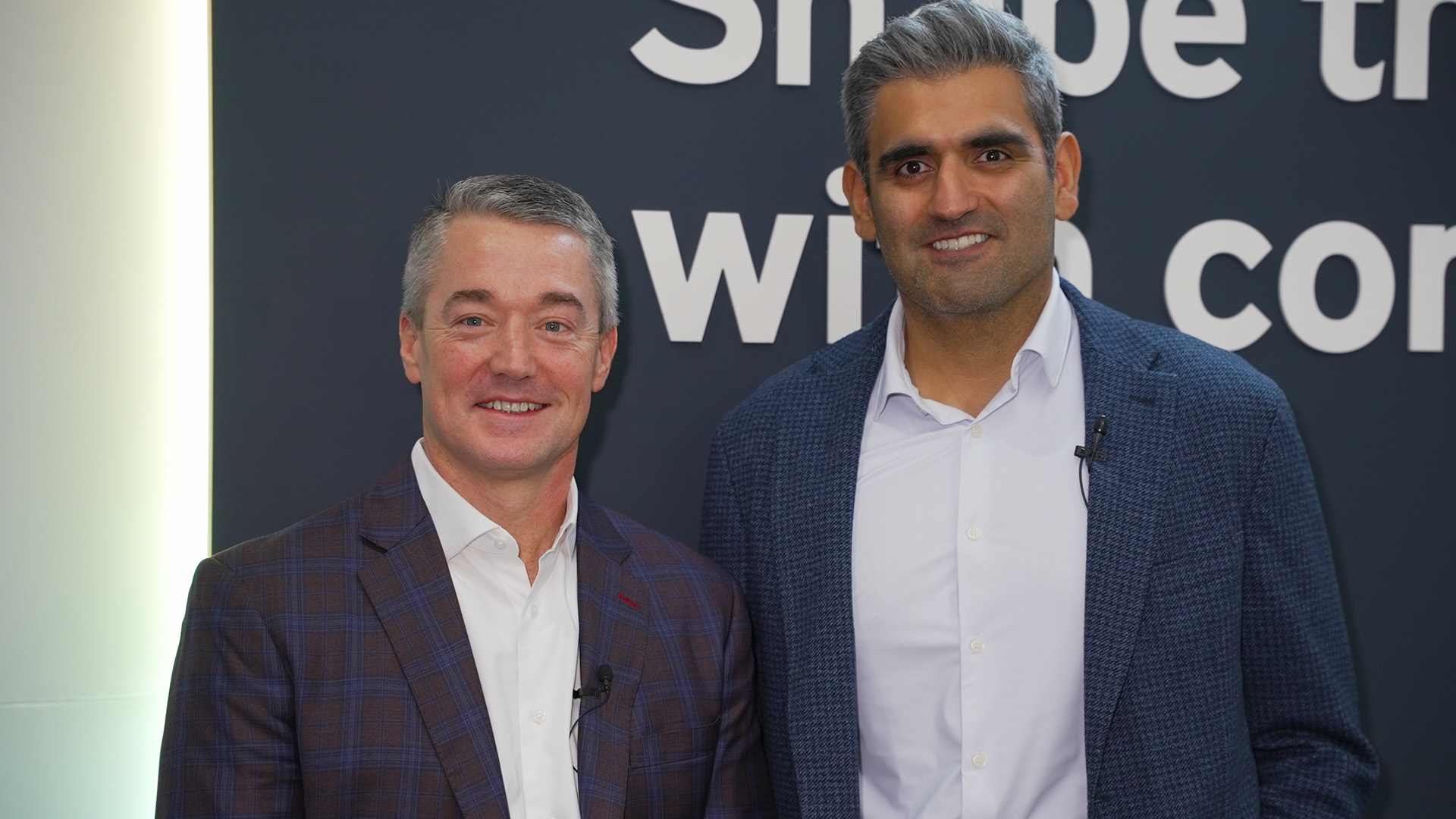
What’s changing isn’t the technology itself, but the expectations around confidence, accountability and everyday use. As leaders push beyond pilots and proofs of concept, they’re finding that without trust built into how AI is designed and deployed, even the most advanced systems struggle to earn adoption across employees, customers and core business operations, according to Whitt Butler (pictured, left), EY Americas vice chair – consulting at Ernst & Young LLP.
“The only way we’re going to get to scale is through trust,” Butler said. “If we talk about trust and all the components of trust, companies can truly embrace and unleash the capability of AI. Without it, we’re going to be caught in use cases and cool stuff, but not scale.”
Whitt and Kapish Vanvaria (right), EY global and Americas risk consulting leader, spoke with Savannah Peterson and Rob Strechay at CES 2026, during an exclusive broadcast on theCUBE, SiliconANGLE Media’s livestreaming studio. They discussed how trusted AI, built into design and culture, is becoming essential for enterprise-scale adoption, employee confidence and long-term value creation. (* Disclosure below.)
Trusted AI reframes responsible AI as a starting point rather than the finish line. Instead of treating governance as a compliance exercise at the end of development, organizations are beginning to treat trust as something that must be built into design, workflows and decision-making from day one. That distinction determines whether AI becomes embedded in daily operations or remains a series of disconnected pilots, Butler explained.
“I see responsible AI being a component of trusted AI,” he said. “Responsible AI is important, 100%, you need to have it, but you need a broader trust framework to get to scale.”
Embedding trust early also changes how teams collaborate across the enterprise. When legal, compliance, cybersecurity, product and customer experience leaders are involved at the blueprint stage, confidence becomes a shared objective rather than a late-stage obstacle. This approach reduces friction, speeds adoption and avoids the technical and process debt that accumulates when trust is bolted on after the fact, according to Vanvaria.
“When you think of embedding this within the blueprint, it’s bringing the product owner, the cybersecurity team, the head of compliance, legal, customer experience, supply chain in the room together,” he said. “How will we ensure that when we roll this out, the adoption will be high because we’re truly giving people the confidence that they can trust it?”
Beyond governance, trusted AI reshapes how work gets done by freeing people from manual effort and shifting them toward higher-value judgment and creativity. Automation handles the repetitive steps, while humans focus on insight, decision-making and relationships. That balance only works when people believe the systems supporting them are dependable and transparent.
“The human is still the secret sauce,” Butler said. “You’re going to automate what can be automated … when it comes to the human creativity and human judgment, you can’t displace that. You create the right trust around AI, and you can get to a level of automation we’ve never seen.”
As trust becomes part of culture, organizations also see changes in employee experience. Teams stop viewing AI as a mandate or threat and begin treating it as a tool that augments their work. That cultural shift often determines whether adoption spreads organically or stalls under resistance and fear, Vanvaria emphasized.
“Our success in all of this will be quiet success,” he said. “When you don’t have to talk about it because you gained that extra hour to go to your kid’s event or read that book you wanted … those quiet successes, that’s when we know we’ll all have really won.”
Here’s the complete video interview, part of SiliconANGLE’s and theCUBE’s coverage of CES 2026:
(* Disclosure: EY sponsored this segment of theCUBE. Neither EY nor other sponsors have editorial control over content on theCUBE or SiliconANGLE.)
Support our mission to keep content open and free by engaging with theCUBE community. Join theCUBE’s Alumni Trust Network, where technology leaders connect, share intelligence and create opportunities.
Founded by tech visionaries John Furrier and Dave Vellante, SiliconANGLE Media has built a dynamic ecosystem of industry-leading digital media brands that reach 15+ million elite tech professionals. Our new proprietary theCUBE AI Video Cloud is breaking ground in audience interaction, leveraging theCUBEai.com neural network to help technology companies make data-driven decisions and stay at the forefront of industry conversations.