 INFRA
INFRA
INFRA
INFRA
INFRA

Four months after closing a $1.1 billion funding round, chip startup Cerebras Systems Inc. today announced that it has raised an additional $1 billion from many of the same investors.
Tiger Global led the Series H deal. It was joined by Advanced Micro Devices Inc., Fidelity Management, Atreides Management, Alpha Wave Global, Altimeter, Coatue, 1789 Capital and several others. Cerebras is now valued at $23 billion.
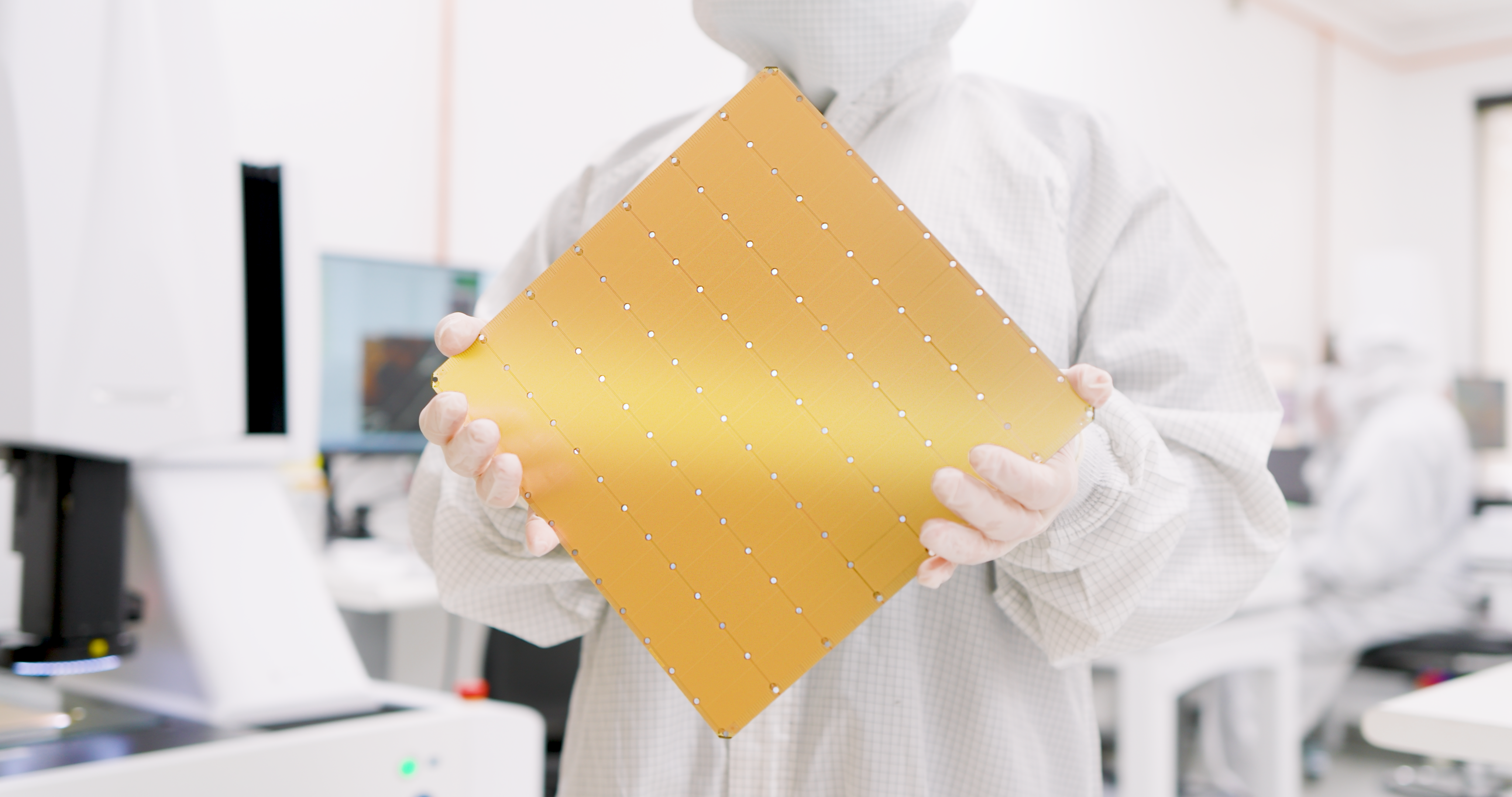
The raise comes a few weeks after the company reportedly inked a more than $10 billion deal to supply OpenAI Group PBC with artificial intelligence hardware. Cerebras makes an AI chip called the WSE-3 that contains 4 trillion transistors, 19 times more than Nvidia Corp.’s Blackwell B200 graphics card. About half the processor’s surface area is dedicated to hosting a 44-gigabyte pool of SRAM memory.
Cerebras says that using one big chip instead of multiple smaller graphics cards boosts efficiency. WSE-3’s large memory pool enables it to run many AI models without moving their data to off-chip HBM memory. That avoids the processing delays associated with streaming data to and from a separate memory module, which speeds up processing.
The reason chipmakers historically didn’t make wafer-size processors is that they’re difficult to manufacture. The larger the chip, the greater the likelihood that some of its transistors will contain defects. In theory, even a single defect can render a processor inoperable.
Cerebras addressed the challenge by splitting the WSE-3 into 900,000 cores. If a transistor contains a manufacturing defect, only the host core is affected and the other circuits can route data around it. That architecture prevents localized manufacturing flaws from short-circuiting the entire processor.
The company ships the WSE-3 as part of a water-cooled system called the CS-3 that provides 125 petaflops of performance. According to Cerebras, customers can link together 2,048 CS-3 appliances into a cluster with 256 exaflops of aggregate computing capacity. That’s enough to train a large language model with 24 trillion parameters.
Cerebras filed for an initial public offering in September 2024. The company disclosed at the time that it generated $136.4 million in revenue during the first six months of 2024, a more than tenfold increase from the same time a year earlier. Cerebras’ losses narrowed to $66.6 million from $77.8 million.
The chipmaker withdrew its IPO filing last year after determining that the document “had become stale and no longer reflected the current state of our business.” According to Cerebras, one of the motivations behind the move was that its revenue grew significantly in 2025. The company reportedly plans to refile its IPO paperwork with the goal of going public as soon as the second quarter.
Support our mission to keep content open and free by engaging with theCUBE community. Join theCUBE’s Alumni Trust Network, where technology leaders connect, share intelligence and create opportunities.
Founded by tech visionaries John Furrier and Dave Vellante, SiliconANGLE Media has built a dynamic ecosystem of industry-leading digital media brands that reach 15+ million elite tech professionals. Our new proprietary theCUBE AI Video Cloud is breaking ground in audience interaction, leveraging theCUBEai.com neural network to help technology companies make data-driven decisions and stay at the forefront of industry conversations.