 AI
AI
AI
AI




AI

As organizations race to ship software at a breakneck pace, a critical friction point has emerged at the intersection of development and operations. While developers have embraced feature flags to decouple deployments from releases, they have largely been flying blind when it came to the runtime impact of those changes. At Dynatrace Perform 2026 in Las Vegas, the conversation moved beyond passive monitoring toward a new reality: observability as an active control plane.
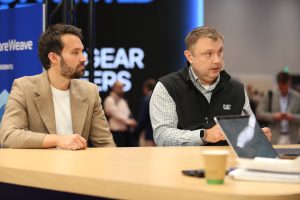
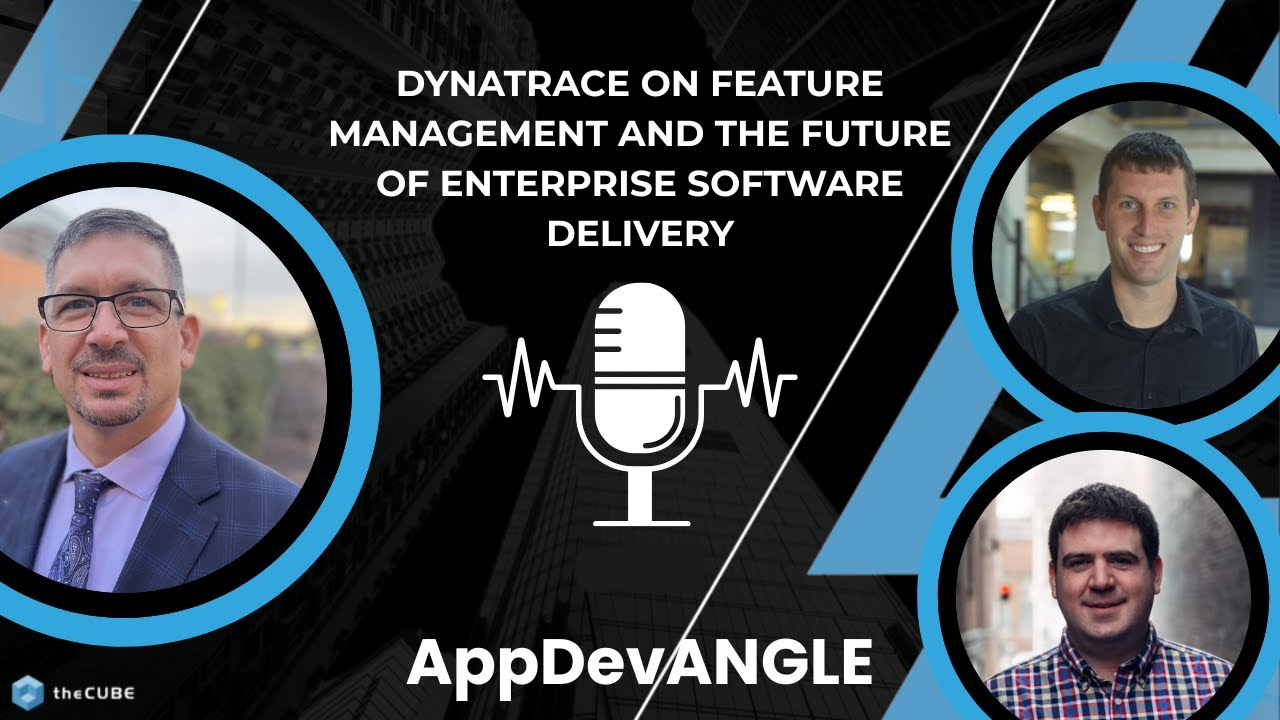
In the latest episode of theCUBE Research’s AppDevANGLE podcast, Principal Analyst Paul Nashawaty sat down with Michael Beemer, product manager at Dynatrace, and Andrew Norris, principal product manager (and former CEO of DevCycle), to discuss Dynatrace’s strategic acquisition of DevCycle. The move isn’t just another integration; it’s an attempt to solve the “observability gap” that has plagued progressive delivery for a decade.
“Developers love feature flags – once you get used to them, it’s the only way you want to ship software,” Beemer said. “But there are observability gaps … once you manage that, you can start doing sophisticated release scenarios.”
The core of the Dynatrace-DevCycle union is the fusion of feature management with causal AI. By treating feature flags as “observable runtime primitives,” Dynatrace can now automatically pinpoint exactly which feature toggle is driving an incident and, in many cases, trigger an automated rollback.
This transition is backed by a stark reality in developer velocity. Recent data from theCUBE Research found that while 24% of organizations want to ship code on an hourly basis, only 8% are actually achieving that goal. The bottleneck isn’t the code generation; it’s the risk.
“Feature flagging at its core is about separating deployments from releases,” Norris explained. “It de-risks the process by allowing you to ship to production and understand the impact live in front of users before a full rollout.”
The acquisition arrives at a pivotal moment: the rise of agentic development. As AI agents increasingly participate in writing and committing code, with some reports indicating that over 30% of enterprise code is now AI-assisted, the volume of changes is skyrocketing.
Norris noted that feature flags are becoming a “safety factor increase” for non-deterministic code.
“With agentic development, sometimes it’s very helpful to see how it’s going to perform out of the lab and in reality,” he said.
This allows teams to test different LLM models or prompts as feature variants using real traffic to measure, which performs best against both technical and business KPIs.
One of the most significant aspects of this strategy is the commitment to OpenFeature, a CNCF project that Dynatrace helped found. Because DevCycle is OpenFeature-native, it prevents vendor lock-in, allowing developers to maintain their bespoke toolchains while gaining the benefits of a unified observability platform.
“We want to meet the developer where they are,” Norris emphasized. “Whether they are using an IDE like VS Code, a CLI or APIs, we want to make the barrier to entry as seamless as possible.”
What does the landscape look like a year from now? Beemer and Norris envision a world where observability isn’t just about “watching” but “acting.”
Complexity is no longer optional; it is structural. As we move into 2026, the teams that win will be those that can ship the fastest without sacrificing stability. By bringing DevCycle into the fold, Dynatrace is betting that the future of software delivery isn’t just about seeing what’s broken; it’s about having the “light switch” to fix it in real time.
Here’s the complete conversation with theCUBE Research’s Paul Nashawaty, Michael Beemer and Andrew Norris:
Support our mission to keep content open and free by engaging with theCUBE community. Join theCUBE’s Alumni Trust Network, where technology leaders connect, share intelligence and create opportunities.
Founded by tech visionaries John Furrier and Dave Vellante, SiliconANGLE Media has built a dynamic ecosystem of industry-leading digital media brands that reach 15+ million elite tech professionals. Our new proprietary theCUBE AI Video Cloud is breaking ground in audience interaction, leveraging theCUBEai.com neural network to help technology companies make data-driven decisions and stay at the forefront of industry conversations.