

 AI
AI
AI
AI

AI

Telecom monetization is facing a narrow window of opportunity as artificial intelligence redefines network economics. The industry as a whole now faces a decision: Capitalize on software-driven data infrastructure, or risk falling behind in the next major platform shift.
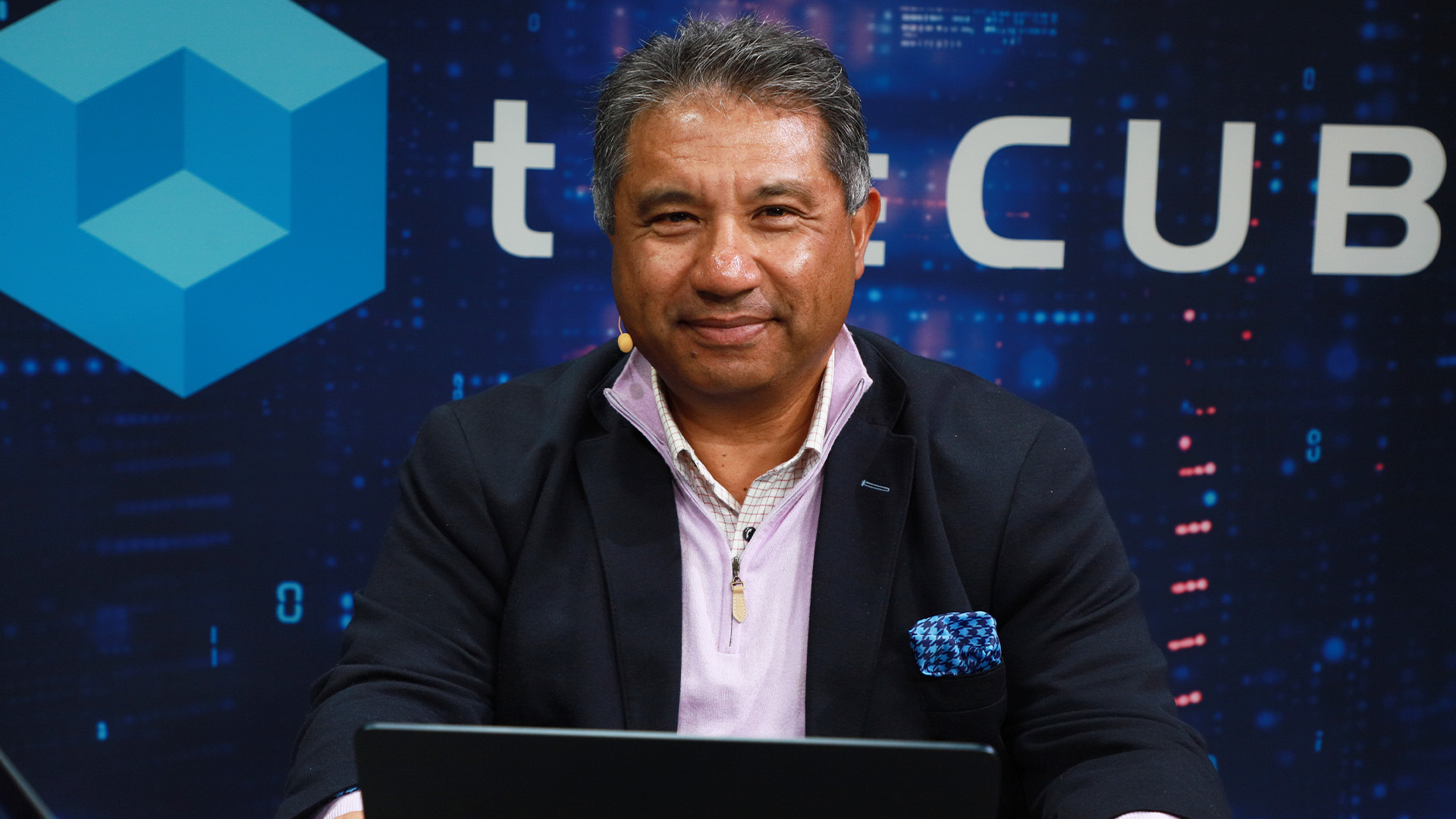
The challenge for service providers is to convert their extensive networks into new revenue streams. Historically, telecom operators have focused on reducing costs during platform transitions, yet have struggled to capture higher-margin value as cloud and software-as-a-service ecosystems advanced, according to Zeus Kerravala (pictured), founder and principal analyst at ZK Research LLC. But the current shift to software-defined, AI-enabled data infrastructure has the potential to change that dynamic in favor of telcos.
“I don’t think there’s any question that AI is going to help [telco companies] lower their operational costs. I think agentic ops is coming, and that’s going to make them a lot more efficient,” Kerravala said. “But what I’ve been looking for is can somebody answer the question — once AI is in the network, do the telcos actually have an opportunity to raise their value [proposition] and create new sources of revenue?”
Kerravala spoke with theCUBE’s John Furrier at MWC Barcelona, during an exclusive broadcast on theCUBE, SiliconANGLE Media’s livestreaming studio. They discussed how the next wave of AI, networking and data infrastructure convergence will reshape enterprise architecture from the core to the edge. (* Disclosure below.)
The current infliction point is defined by whether telecom operators can finally ride on existing modern data infrastructure rather than another costly rebuild cycle. Unlike previous transitions that required entirely new physical networks, today’s architectures are increasingly software-based — and upgradeable in place, Kerravala explained. That shift gives telecom operators a faster path to innovate if they can execute.
“If you’ve got to build a whole new network to go do something, well, that’s going to take you a long time,” he said. “Now, they’ve got the partnerships in place with the hyperscalers; they’ve got the software models in place. All these equipment vendors are helping them modernize. They should have the opportunity to move faster than they have in the past.”
Still, markets are demanding evidence that telecom monetization will actually materialize, particularly as infrastructure refresh cycles take longer to translate into measurable growth, Kerravala noted. The gap between ambition and execution is becoming harder to ignore, particularly for investors.
“I think Wall Street’s now saying, ‘Prove it to me. You’ve talked a lot about how infrastructure spend is coming or refresh is coming in; now prove it to me,'” he said. “I think Wall Street wants some proof now, and it’s a fair statement.”
Here’s the complete video interview, part of SiliconANGLE’s and theCUBE’s coverage of MWC Barcelona:
(* Disclosure: TheCUBE is a paid media partner for MWC Barcelona. Sponsors of theCUBE’s event coverage do not have editorial control over content on theCUBE or SiliconANGLE.)
Support our mission to keep content open and free by engaging with theCUBE community. Join theCUBE’s Alumni Trust Network, where technology leaders connect, share intelligence and create opportunities.
Founded by tech visionaries John Furrier and Dave Vellante, SiliconANGLE Media has built a dynamic ecosystem of industry-leading digital media brands that reach 15+ million elite tech professionals. Our new proprietary theCUBE AI Video Cloud is breaking ground in audience interaction, leveraging theCUBEai.com neural network to help technology companies make data-driven decisions and stay at the forefront of industry conversations.