
 AI
AI
AI
AI

AI

The enterprise landscape has reached a tipping point where traditional digital transformation is no longer sufficient to manage the sheer volume of data and fragmented applications. As artificial intelligence evolves from simple chatbots to autonomous systems, agentic orchestration is emerging as the glue to unify disparate environments.
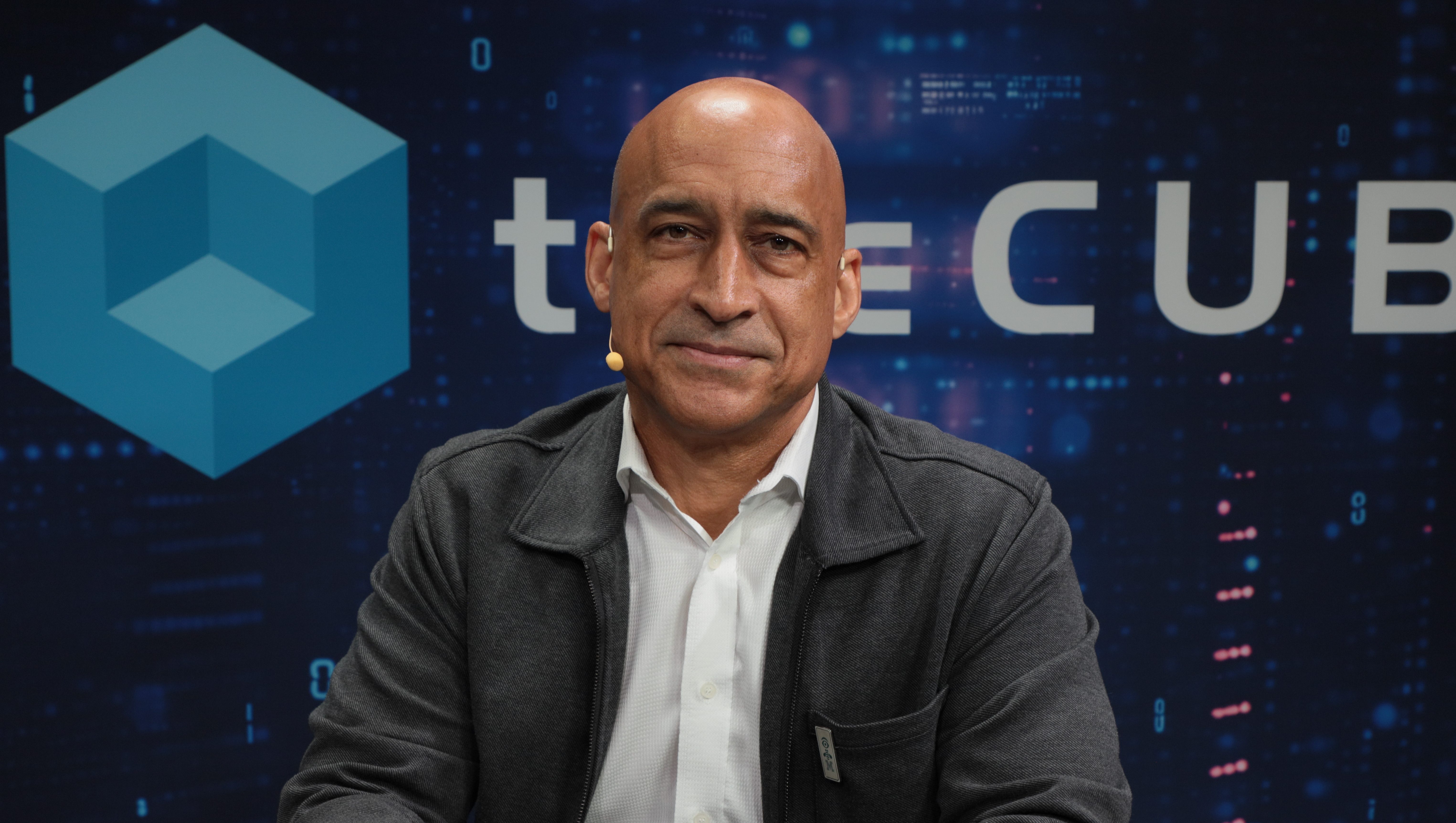
This shift toward agentic, autonomous AI is elevating a new class of systems orchestrators, such as IBM Corp., while pushing enterprises beyond isolated pilots toward end-to-end strategies. By leveraging its unique position across consulting, research and infrastructure, IBM is helping global enterprises navigate a market where AI must deliver real business outcomes rather than just experimental novelty, according to Jason Kelley (pictured), global head and managing partner of core business applications at IBM Consulting, a division of IBM Corp.
“We work from bare metal to software to consulting to research,” he said. “We’re the only player on the planet that has that consulting business at scale inside of a technology company. Being that entity, working with those ecosystem partners is really second nature, if not first nature, for us.”
Kelley spoke with John Furrier and Dave Vellante at MWC Barcelona, during an exclusive broadcast on theCUBE, SiliconANGLE Media’s livestreaming studio. They discussed the rise of agentic AI, agentic orchestration and how IBM is moving from systems integration to becoming a systems orchestrator. (* Disclosure below.)
The modernization of core business applications has historically been handled in silos. Today’s requirements demand a higher level of coordination where agents from different vendors — such as SAP SE, Oracle Corp. and Salesforce Inc. — must work in concert, according to Kelley. This shift reflects a broader industry push toward integrated software and hardware platforms that prioritize outcome-based models over traditional seat-based pricing, he added. The result is a far more complex orchestration challenge across clouds, agents and data.
“It’s not just one plus one equals three — it’s one plus one plus one equals five, because more often than not you’re going to have multiple clouds, not one,” Kelley said. “You’re going to have a new sovereign capability … And now not just hybrid clouds, but think of hybrid agentic capability, because some is going to be private and some is going to be public.”
Managing that complexity requires a unified view of the enterprise. And as firms look to move past modernization fatigue, the focus is shifting toward creating a digital representation of the entire business. This digital twin of the enterprise allows agents to act with full context, ensuring that automated decisions are safe, compliant and optimized for specific industrial verticals, Kelley explained. By providing a system of intelligence that sits in the middle of a multi-cloud world, the goal is to turn a “sea of sameness” into a competitive advantage through superior execution and trust.
“What has to happen is understanding what’s the end goal and looking at the landscape end-to-end, then orchestrating that to get to that outcome,” Kelley said, cautioning against relying on isolated pilot projects. “It’s understanding the end-to-end objective and then orchestrating part of that end-to-end objective in phases to get to that end state. It’s not, ‘Let’s run 10 pilots and see.’ That too has to have a view and a vision that gets to the outcome.”
Here’s the complete video interview, part of SiliconANGLE’s and theCUBE’s coverage of MWC Barcelona:
(* Disclosure: IBM sponsored this segment of theCUBE. Neither IBM nor other sponsors have editorial control over content on theCUBE or SiliconANGLE.)
Support our mission to keep content open and free by engaging with theCUBE community. Join theCUBE’s Alumni Trust Network, where technology leaders connect, share intelligence and create opportunities.
Founded by tech visionaries John Furrier and Dave Vellante, SiliconANGLE Media has built a dynamic ecosystem of industry-leading digital media brands that reach 15+ million elite tech professionals. Our new proprietary theCUBE AI Video Cloud is breaking ground in audience interaction, leveraging theCUBEai.com neural network to help technology companies make data-driven decisions and stay at the forefront of industry conversations.