


 AI
AI
AI
AI

AI

Artificial intelligence is driving an unprecedented surge in compute demand, but telecom operators face a structural barrier to capturing value from the shift: the proprietary technologies that control their own radio access networks. The industry’s push toward Open RAN is now intended to loosen that control and open the door to broader innovation.
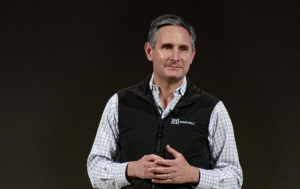
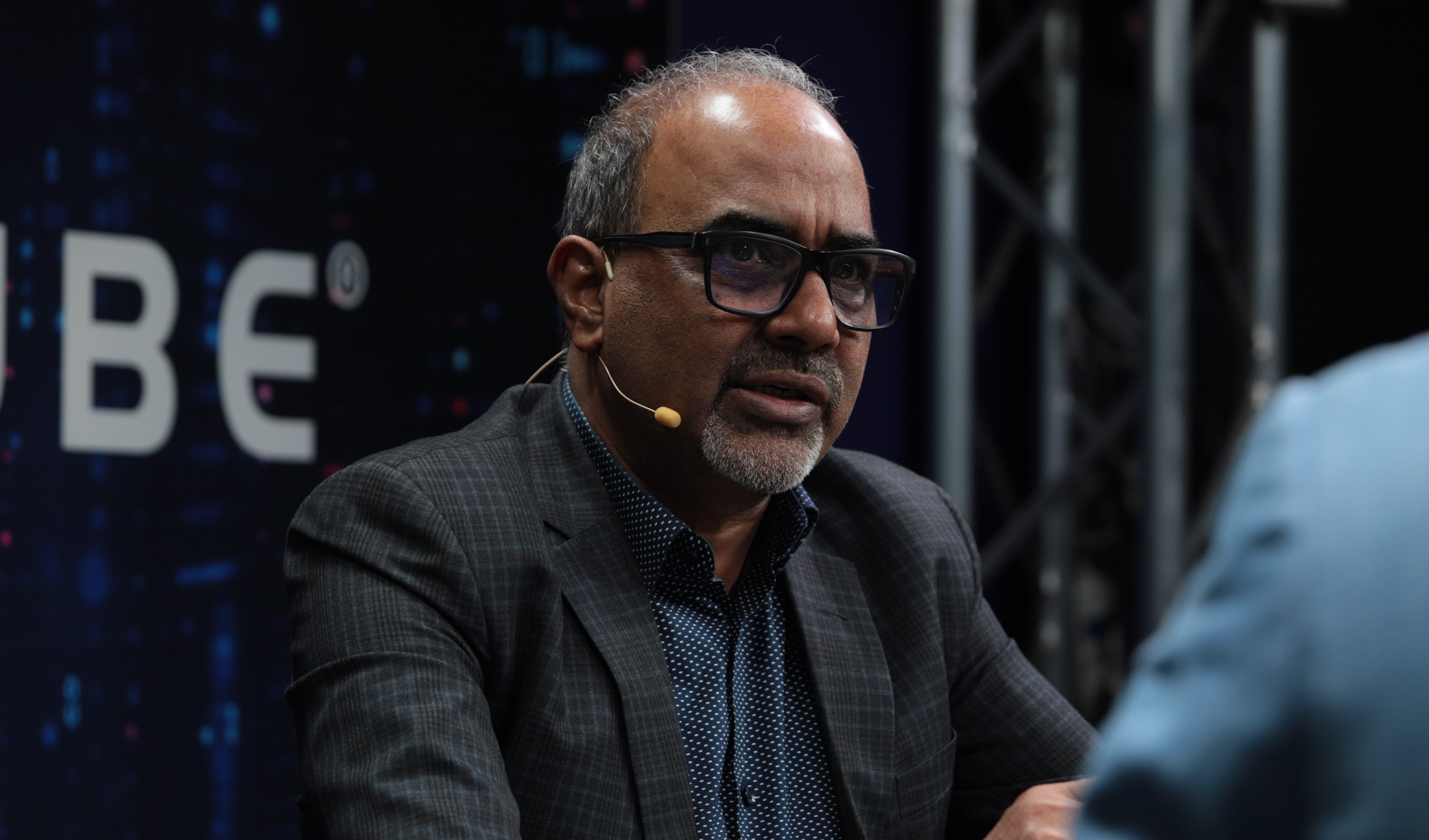
Telcos have historically chased every major technology wave — from cloud computing to e-commerce — yet struggled to compete at scale with the technology sector’s speed and capital advantages. And as inference workloads grow more compute-intensive and agentic artificial intelligence frameworks demand tighter policy controls, the gap threatens to widen further, according to Sarbjeet Johal (pictured), founder and chief executive officer of Stackpane Ltd.
“The inference is compute-hungry, there’s no doubt about that. It will be even more compute-hungry going forward because we are throwing policy at these agentic frameworks,” Johal told theCUBE. “We have to reduce the hallucinations. We have to program our systems of record using the AI constructs, and for that, we need more control over the flow of logic.”
Johal spoke with theCUBE’s John Furrier at MWC Barcelona, during an exclusive broadcast on theCUBE, SiliconANGLE Media’s livestreaming studio. They discussed how rising compute demand and proprietary telecom infrastructure intersect to create both obstacles and opportunities for the industry. (* Disclosure below.)
The most actionable bottleneck sits inside the open radio access network stack itself. The RAN Intelligent Controller, which governs how intelligence is applied across network infrastructure, remains largely proprietary — controlled by a small number of suppliers such as Nokia Corp., Johal noted.
“If they can release that grip and let the innovation happen, and/or if the [venture capital] community can jump in and take a stab at the RIC part of the O-RAN, I think that will go a long way and that will free these telcos off of this stronghold of a couple of vendors,” he said.
The growing role of AI in telecom networks could also reshape how operators think about infrastructure itself. As AI systems begin to influence how networks operate and route traffic, intelligence may become as important as raw connectivity, according to Johal.
“AI is democratizing the intelligence,” he said. “If the telcos can grab some of that intelligence and weave that into their operations, that would be great.”
But scale problems compound the innovation gap. Most telecom operators serve local or national markets and are heavily regulated, limiting their ability to achieve the economies of scale that drive rapid innovation in the technology sector, Johal explained. He pointed to AT&T Inc.’s $14 billion Open RAN commitment with Ericsson as evidence that only the largest operators can invest at the level required to reshape infrastructure.
“Most of the telcos serve locally; only few telcos go across borders. For that reason, their scale is small,” Johal said. “They’re highly regulated by the government, local governments … [on] what you can do and what you can’t do. That keeps them at bay from innovation … Scale is the best friend of innovation. If you have scale, you can do economies of scale, but also division of labor — you can divide and conquer.”
Here’s the complete video interview, part of SiliconANGLE’s and theCUBE’s coverage of MWC Barcelona:
(* Disclosure: TheCUBE is a paid media partner for MWC Barcelona. Sponsors of theCUBE’s event coverage do not have editorial control over content on theCUBE or SiliconANGLE.)
Support our mission to keep content open and free by engaging with theCUBE community. Join theCUBE’s Alumni Trust Network, where technology leaders connect, share intelligence and create opportunities.
Founded by tech visionaries John Furrier and Dave Vellante, SiliconANGLE Media has built a dynamic ecosystem of industry-leading digital media brands that reach 15+ million elite tech professionals. Our new proprietary theCUBE AI Video Cloud is breaking ground in audience interaction, leveraging theCUBEai.com neural network to help technology companies make data-driven decisions and stay at the forefront of industry conversations.