

 AI
AI
AI
AI
AI

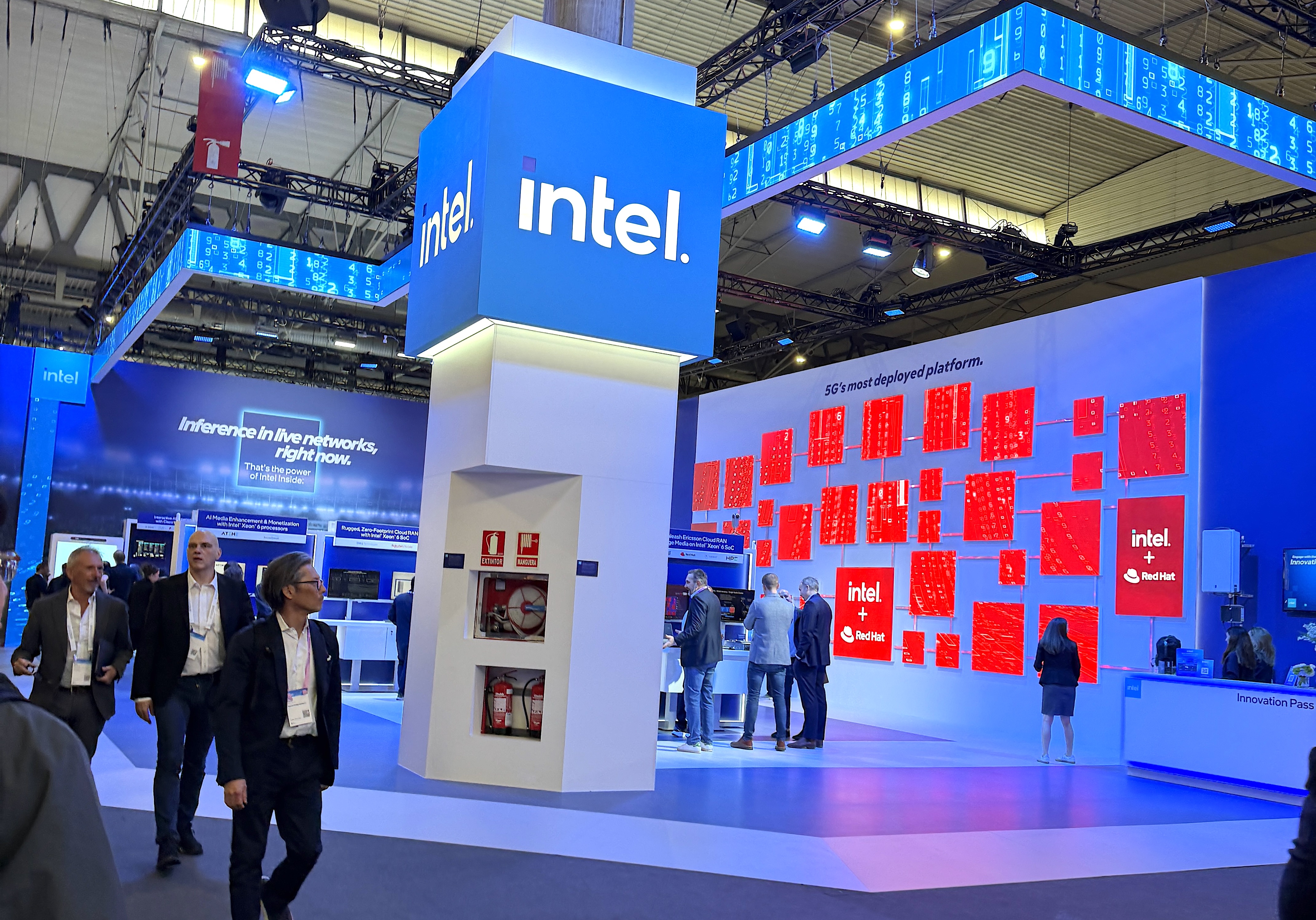
As one would expect, artificial intelligence was a top theme at the recent MWC conference in Barcelona, but 6G was certainly prominent as well. This year, the discussions has pivoted from the maturation of 5G wireless networks to the “seamless path” toward 6G. But for those of us who have spent the better part of two decades watching G-cycles come and go, there was a healthy dose of skepticism at the show.
We’ve seen this movie before: massive capital expenditure, the promise of “revolutionary” services and the eventual, quiet realization that we’ve built a faster highway, only to struggle to persuade anyone to pay a higher toll.
The core question facing the industry at MWC26 isn’t just “What is 6G?” It’s whether we are finally moving past the era of infrastructure-for-the-sake-of-infrastructure and into an era of intelligence-for-the-sake-of-value.
If 5G was defined by raw performance and massive connectivity, the path to 6G is fundamentally different. It is not a call to “rip and replace” the legacy we’ve spent billions building. The consensus — or at least the pragmatic view shared by industry leaders — is that 6G must be an evolution, not a reboot.
The pivot lies in moving away from viewing the network as a static pipe. Instead, the vision for 6G is an AI-native infrastructure. In this model, intelligence is not an overlay or a secondary software feature; it is woven from day one into the silicon, the Radio Access Network, or RAN, and the core.
It’s no secret that the telecom industry has a “value capture” problem. When we look back at the 5G rollout, while the network performance improved significantly, the revenue models remained stubbornly tied to legacy consumption-based billing. Operators have spent years optimizing for internal efficiency — making the network “faster” and “denser” — but they have largely failed to identify and sell new, high-margin, revenue-generating services that consumers and enterprises actually recognize.
We have spent twenty years talking about “AI-powered services,” yet the examples that move the needle remain frustratingly scarce. We see occasional flashes of brilliance, such as T-Mobile’s live translation feature — an example of intelligence in the pipes — but these remain the exception. The rest of the effort has been focused on internal efficiencies, such as optimizing power usage or automating maintenance. Though these are excellent for the bottom line, they don’t generate new top-line growth.
A major factor in the industry’s slow pace of innovation has been the verticalization of solutions, which often traps operators in proprietary, walled-garden architectures. Intel Corp. is currently trying to break this cycle through a “no moats” strategy, providing an open, common platform — specifically the Xeon 6 family — that spans the entire network.
This open approach is gaining significant traction across the global telecom landscape. The list of operators actively leveraging Intel’s silicon for this transition is telling:
These partners are performing massive, carrier-grade due diligence on total cost of ownership and power efficiency, which is becoming increasingly critical as they introduce more compute-intensive AI workloads into the network.
Is this time different? It might be, provided the industry shifts its focus from peak model science to operational scalability. The breakthrough isn’t going to come from a massive, monolithic AI model that solves everything. Instead, it’s coming from the rise of small language models and specialized inferencing tasks that run at the network edge.
Carriers are now looking at models with hundreds of millions or single-digit billions of parameters — models that are small, fast and cost-effective enough to run on standard server hardware without needing a specialized, power-hungry AI farm. This is where the “right compute for the right workload” philosophy comes into play. By leveraging existing, open-platform silicon, telcos can move inferencing closer to the data.
This allows for:
6G will succeed or fail based on whether the industry can bridge the gap between “network efficiency” and “service innovation.” We are finally moving into a phase where the silicon is capable, the software frameworks — such as OpenVINO — are mature, and the infrastructure is ready to host intelligence natively.
The technology is no longer the bottleneck; the bottleneck is the business model. The operators that win in the 6G era won’t necessarily be the ones with the fastest peak speeds; they will be the ones who treat their network as a programmable, AI-native platform capable of launching new, high-value services in weeks, not years.
My message to the infrastructure providers and telcos coming out of MWC26 is to stop talking about the “future of 6G” and start proving it with the hardware and software we have today.
Zeus Kerravala is a principal analyst at ZK Research, a division of Kerravala Consulting. He wrote this article for SiliconANGLE.
Support our mission to keep content open and free by engaging with theCUBE community. Join theCUBE’s Alumni Trust Network, where technology leaders connect, share intelligence and create opportunities.
Founded by tech visionaries John Furrier and Dave Vellante, SiliconANGLE Media has built a dynamic ecosystem of industry-leading digital media brands that reach 15+ million elite tech professionals. Our new proprietary theCUBE AI Video Cloud is breaking ground in audience interaction, leveraging theCUBEai.com neural network to help technology companies make data-driven decisions and stay at the forefront of industry conversations.