

 AI
AI
AI
AI
AI

Dassault Systèmes SE is undertaking one of the most consequential shifts in its business model in decades, moving away from traditional per-seat software licensing toward a more fluid, artificial intelligence-driven pricing structure based on outcomes, usage and value delivered.
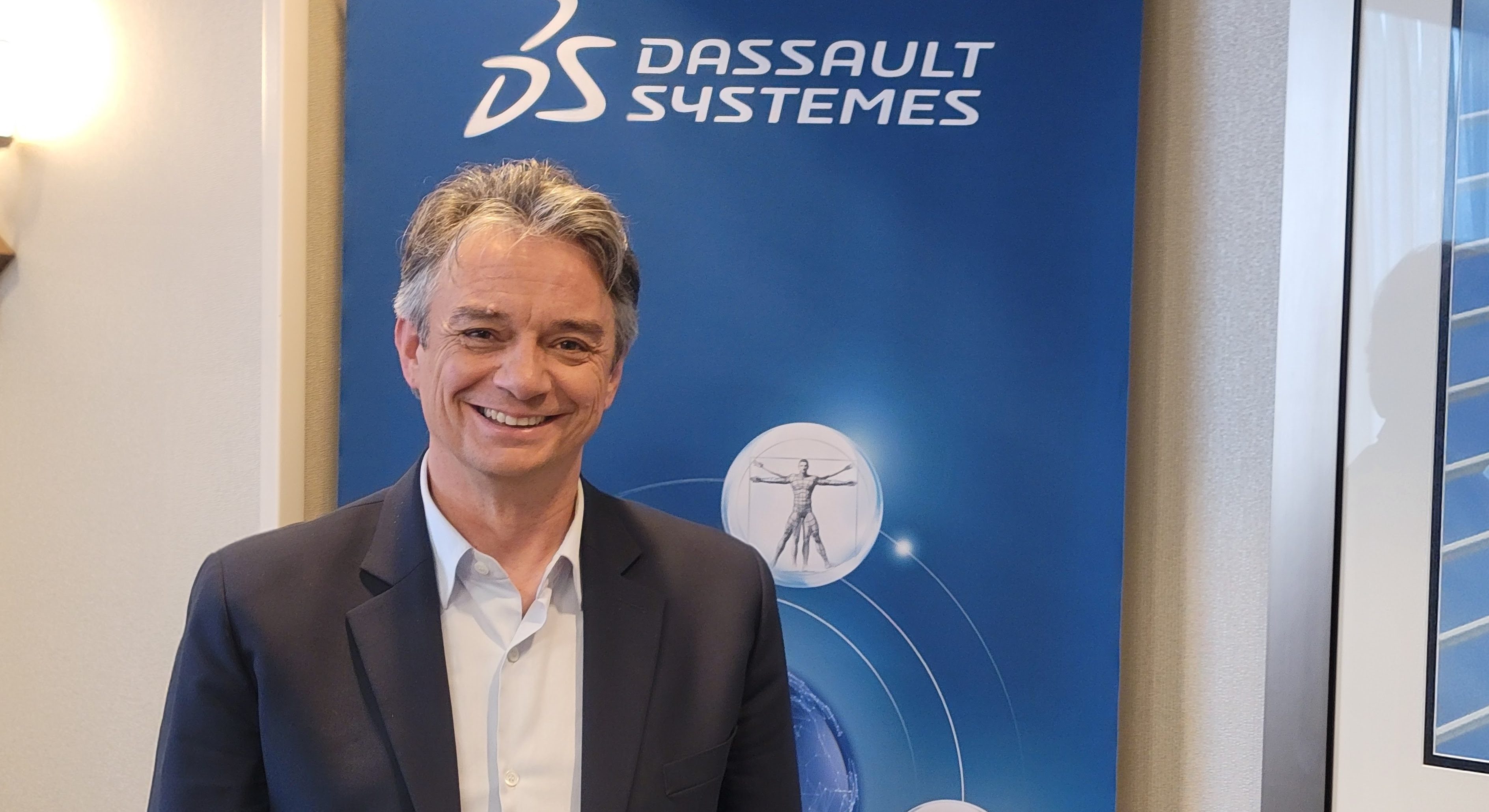
The transition, outlined by Chief Executive Pascal Daloz (pictured) in a briefing with journalists at Dassault’s 3DExperience conference last week, is creating near-term pressure on the company’s financials and stock price, which is down more than 30% this year amid a broad selloff in software stocks. Last month, the company last month reported fourth-quarter revenue that missed estimates, sending its shares down more than 20% in one day.
Daloz, who was elevated to the chairmanship only one month ago, was unequivocal in asserting that the strategy is necessary in the long term.
At the core of the shift is the maker of three-dimensional design and simulation software’s focus on “virtual twins,” or digital equivalents of real-world objects. Twins can be used for design, testing and modifications at a small fraction of the cost and time needed to construct physical models. Dassault Systèmes believes the benefits are so compelling that customers will be willing to pay based on value rather than traditional metrics.
The company also recognizes that the historic pricing model of charging per named user no longer aligns with how AI-powered engineering software will be consumed. That model breaks down in a world where virtual users, such as AI agents and what Dassault Systèmes calls “companions,” increasingly perform work alongside or instead of humans.
To address this evolution, the company is introducing a multidimensional pricing framework built around what Daloz describes as “units.” These include “units of knowledge” that reflect the sophistication of an AI companion. They also include “units of know-how” that relate to domain specialization and “units of work” that ties pricing to usage. In effect, the more capable and active the AI, the higher the price.
More radically, the company is exploring outcome-based pricing tied directly to the value its software delivers. “My dream is to price the object, which has been generated automatically, based on the value,” Daloz said. He cited one example in which Dassault Systèmes priced the automated design of an automotive headlamp using digital twins at a share of the engineering cost savings rather than on a per-seat price.
This new approach involves a philosophical shift away from selling tools to selling results, Daloz said. “The twin is becoming, in a way, a currency,” he said. Instead of monetizing access to software, Dassault Systèmes aims to monetize the intellectual property and outcomes generated by its platform.
The transition coincides with a broader move to subscription-based revenue, a move most major software companies have already completed, but which is still in process at Dassault Systèmes. Subscription pricing spreads income over time rather than recognizing it upfront. That creates a temporary drag on financial performance but makes revenue more predictable.
The company is navigating these changes amid broader investor concerns about the impact of generative AI on traditional software models. Daloz was blunt about market sentiment: “The investors believe we are [vulnerable]. Look at the share price. That’s the underlying reason,” he said.
Slowdowns in the automobile manufacturing industries, which have historically been the core of Dassault Systèmes’ business, are also putting pressure on shares.
But Daloz frames the company’s strategy through a long-term lens shaped by customer behavior. The life sciences sector is now the biggest piece of the company’s business, and the investments customers make in skills to use advanced engineering software make platform decisions last for decades.
“Our customers make these decisions every 20 years,” Daloz said. Once adopted, those systems are “super sticky,” creating durable revenue streams.
That long-term dynamic underpins the CEO’s confidence that Dassault Systèmes will weather short-term market cycles. In effect, he’s betting that AI will not commoditize its business, but instead transform its software from a tool into a value-generating platform. How patient investors are in waiting for those proof points is the central question.
Support our mission to keep content open and free by engaging with theCUBE community. Join theCUBE’s Alumni Trust Network, where technology leaders connect, share intelligence and create opportunities.
Founded by tech visionaries John Furrier and Dave Vellante, SiliconANGLE Media has built a dynamic ecosystem of industry-leading digital media brands that reach 15+ million elite tech professionals. Our new proprietary theCUBE AI Video Cloud is breaking ground in audience interaction, leveraging theCUBEai.com neural network to help technology companies make data-driven decisions and stay at the forefront of industry conversations.