 AI
AI
AI
AI










AI

Companies are under pressure to move faster on AI while keeping complex infrastructure and operations under control, making enterprise platform simplification a growing priority. As a result, many organizations are looking for ways to consolidate tools and strengthen security.
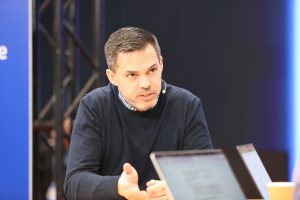
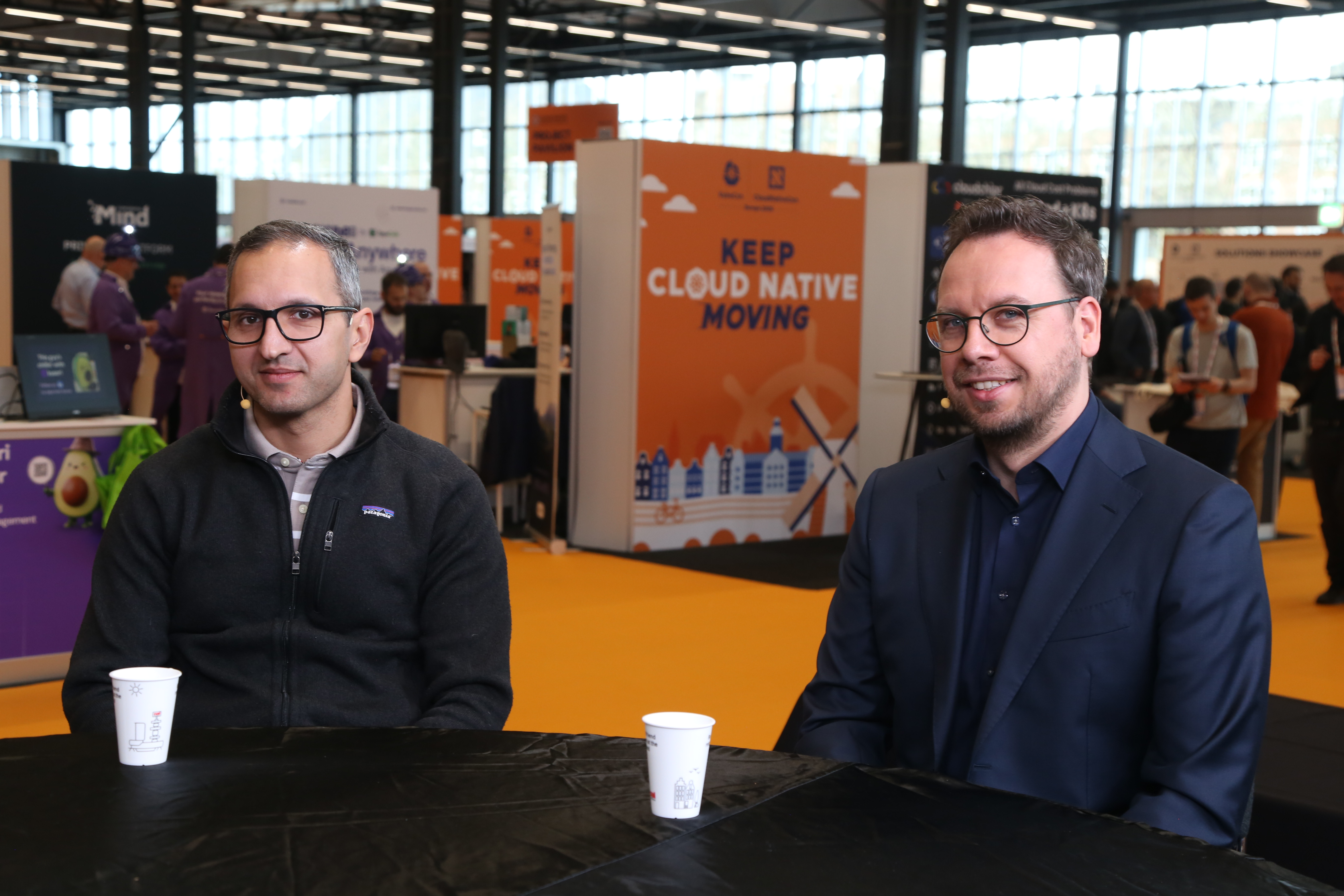
On one hand, companies are trying to expand massive, capital-intensive AI projects, and on the other, they are trying to rein in sprawling infrastructure. The recently-released OpenShift 4.21 is positioned around that tension and aims to optimize scarce GPU resources, according to Daniel Messer (pictured, right), senior manager for product management at Red Hat Inc.
“Everybody knows if you try to get a GPU these days, it’s almost impossible. In an enterprise environment, it’s an order of magnitude worse,” Messer told theCUBE. “You really need to make sure that these expensive GPUs are not underutilized or not well-managed.”
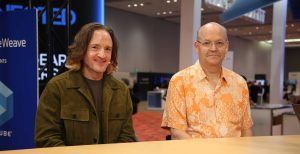
Messer and Siamak Sadeghianfar (left), senior manager for product management at Red Hat, spoke with theCUBE’s Rebecca Knight and Rob Strechay at KubeCon + CloudNativeCon EU, during an exclusive broadcast on theCUBE, SiliconANGLE Media’s livestreaming studio. They discussed the growing push for enterprise platform simplification and how platforms are evolving to be simpler and more secure. (* Disclosure below.)
Web-based integrated development environments have cycled in and out of favor over the years, but demand is now rising sharply, driven in part by security and sovereignty concerns, according to Sadeghianfar. Organizations are increasingly viewing them as a way to simplify developer access while maintaining tighter control over environments and data.
“We invest a lot in OpenShift Dev Spaces [which] gives developers a one-click web-based regulated development environment with all the capabilities that they have on their workstation, but also in their IDE, with [the] difference that they don’t have to manage the dependencies or configuration themselves,” Sadeghianfar said. “You ask any developers, they change the laptop or change projects, it takes a week to get up to speed. We reduce that to a one-click [process] with Dev Spaces.”
That emphasis on reducing friction for developers fits into a broader customer priority: simplification at the platform level. Many customer conversations, especially in Europe, are focused on simplification and on bringing infrastructure together through a platform engineering approach, not just on AI alone. That push is being driven by rising costs, but also by the appeal of using a familiar Kubernetes-style, API-driven model, according to Messer. Part of that conversation includes KubeVirt, an open-source project that lets virtual machines run alongside containers in Kubernetes environments.
“It’s a very powerful concept to reapply that — and also consolidate it on the same platform with less vendors and less attack surface for changes in different learning curves, which I think has been the power of Kubernetes all along,” Messer said. “We think virtualization and containers should not live in siloes. They should be on one platform — and KubeVirt makes that happen.”
Here’s the complete video interview, part of SiliconANGLE’s and theCUBE’s coverage of the KubeCon + CloudNativeCon EU event:
(* Disclosure: Red Hat sponsored this segment of theCUBE. Neither Red Hat nor other sponsors have editorial control over content on theCUBE or SiliconANGLE.)
Support our mission to keep content open and free by engaging with theCUBE community. Join theCUBE’s Alumni Trust Network, where technology leaders connect, share intelligence and create opportunities.
Founded by tech visionaries John Furrier and Dave Vellante, SiliconANGLE Media has built a dynamic ecosystem of industry-leading digital media brands that reach 15+ million elite tech professionals. Our new proprietary theCUBE AI Video Cloud is breaking ground in audience interaction, leveraging theCUBEai.com neural network to help technology companies make data-driven decisions and stay at the forefront of industry conversations.