


 AI
AI
AI
AI

AI

AI is moving from pilots to production, with enterprise AI execution increasingly shaped by integration rather than ideation.
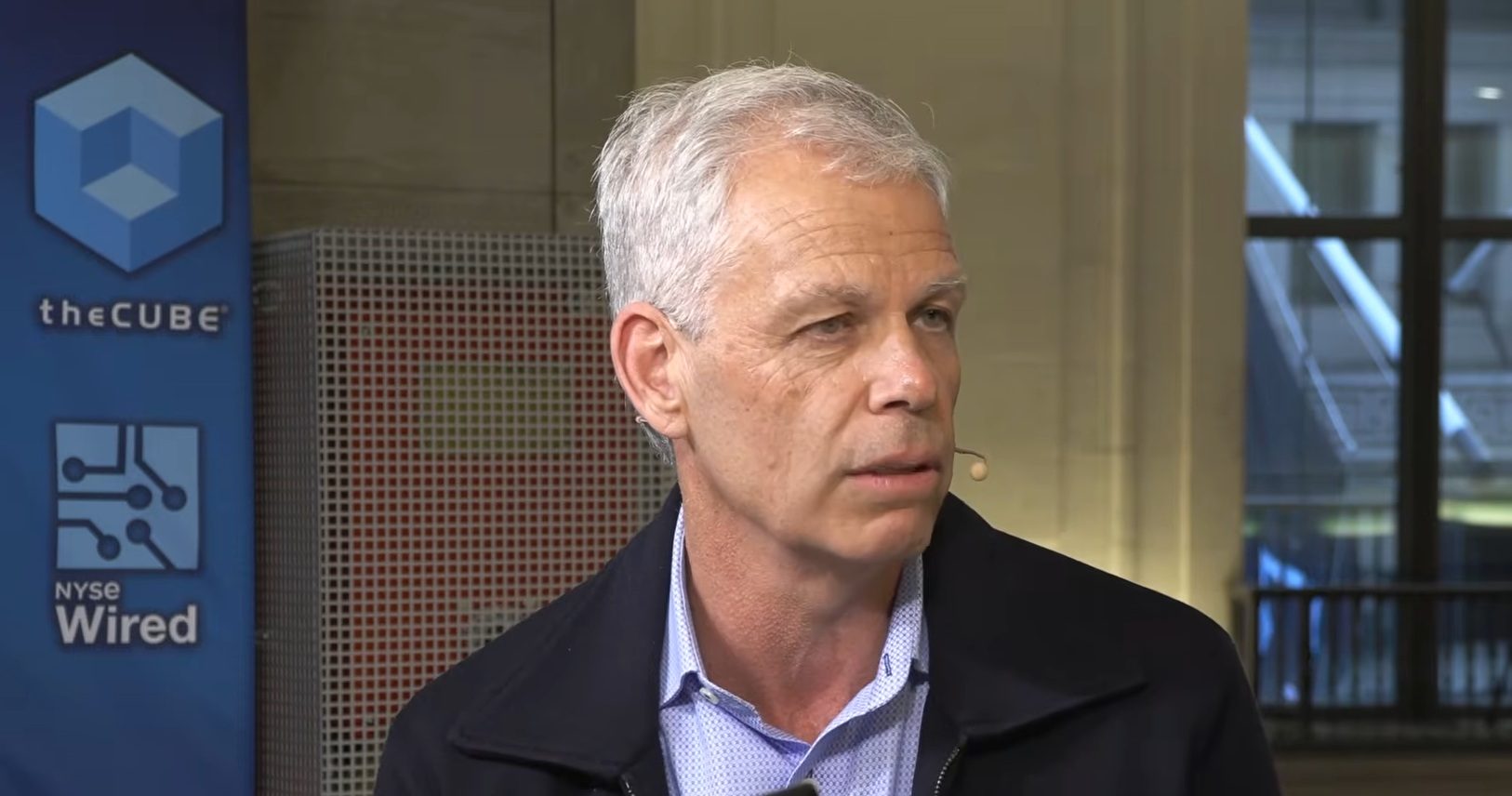
AI-first companies now have a chance to rethink core functions such as customer support, sales and finance from first principles instead of forcing new tools into legacy environments. The bigger shift is that AI is no longer just a technology story, but something reshaping how the entire organization operates, according to Gamiel Gran (pictured), chief commercial officer of Mayfield Fund LLC.
“We keep talking about technology, of course, because here we are in the Silicon Valley,” Gran said. “But the truth is that AI — which of course is the topic of the day — is so transformative to every single workflow. We’re seeing the office of the CFO, the office of the supply chain manager, the office of sales [and] every functional role systematically being rethought.”
During theCUBE + NYSE Wired: Practitioner interview series, theCUBE’s John Furrier spoke with industry professionals who revealed how enterprise AI is actually being deployed at scale. They explored how infrastructure decisions and real-world constraints are shaping outcomes tied to enterprise AI execution beyond the hype.
Here are six themes showing how enterprise AI execution is moving from experimentation to reality:
Most enterprises are still early in the shift from x86 to GPU-based AI infrastructure, with just a small fraction of mission-critical applications running on GPUs today and much larger investments still needed across power, cooling, networking, storage and edge inference to support real scale, Gran explained. Experienced chief information officers see AI as a bigger shift than earlier tech waves because its use cases are spreading far more widely across the business — but they are approaching it gradually, with careful bets on technology, costs and change management, he added.
Catch the full segment on theCUBE.
Organizations are facing a level of AI-driven disruption that feels unusually fast and hard to contain, so IT leaders are focused on putting the right guardrails, best practices and oversight in place without slowing innovation. At the same time, they are pushing business teams to use AI for real outcomes, while trying to catch up on security and observability in the middle of rapid change, according to Stacey Moore, senior vice president for IT at Flock Safety, operated by Flock Group Inc.
Here’s theCUBE’s complete interview with Moore.
AI is improving security response times, but it is also creating new management challenges as agent development spreads beyond centralized IT into business teams across the organization. The pressure is forcing leaders to take a balanced approach, using stronger guardrails and inventory controls to support innovation without losing oversight, according to Shyam Bhojwani, chief information officer and head of security at Nextdoor Holdings Inc.
Catch the entire segment with Bhojwani on theCUBE.
Enterprise AI adoption depends on building enough predictability and trust to make organizations comfortable deploying non-deterministic systems at scale. The result is a shift in focus away from simply building and launching AI tools to continuously evaluating, monitoring and refining them in production, explained Lawrence Fitzpatrick, chief technology officer of OneMain Financial, operated by OneMain Holdings Inc.
Don’t miss the full segment on theCUBE.
For many enterprises, AI still has more strategic promise than measurable business impact, with many organizations not yet seeing a clear effect on profit and loss. The biggest obstacles remain the fundamentals — people, data and process — which means companies that chase the technology without fixing those basics are unlikely to get far, according to Ash Mehra, founder of Mehra Capital Partners LLC.
Watch theCUBE’s full exclusive.
For some organizations, the challenge is still defining a coherent AI strategy, while for others the harder problem is putting it into practice in a disciplined way. Even as agentic AI makes adoption easier, success still depends on careful evaluation, token efficiency and making each use case economically viable, said Anand Pradhan, head of the AI Center of Excellence and the mortgage data group at Intercontinental Exchange Inc.
For the full story, check out the segment on theCUBE.
Here’s the complete video playlist from SiliconANGLE’s and theCUBE’s coverage of theCUBE + NYSE Wired: Practitioner interview series:
Support our mission to keep content open and free by engaging with theCUBE community. Join theCUBE’s Alumni Trust Network, where technology leaders connect, share intelligence and create opportunities.
Founded by tech visionaries John Furrier and Dave Vellante, SiliconANGLE Media has built a dynamic ecosystem of industry-leading digital media brands that reach 15+ million elite tech professionals. Our new proprietary theCUBE AI Video Cloud is breaking ground in audience interaction, leveraging theCUBEai.com neural network to help technology companies make data-driven decisions and stay at the forefront of industry conversations.