






 INFRA
INFRA
INFRA
INFRA

INFRA

VMware migration is infamously laborious. But for Dartmouth College, it turned out to be the best infrastructure decision the university never planned to make.
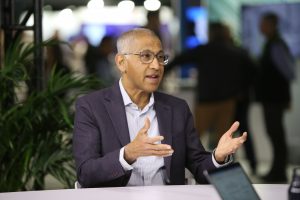
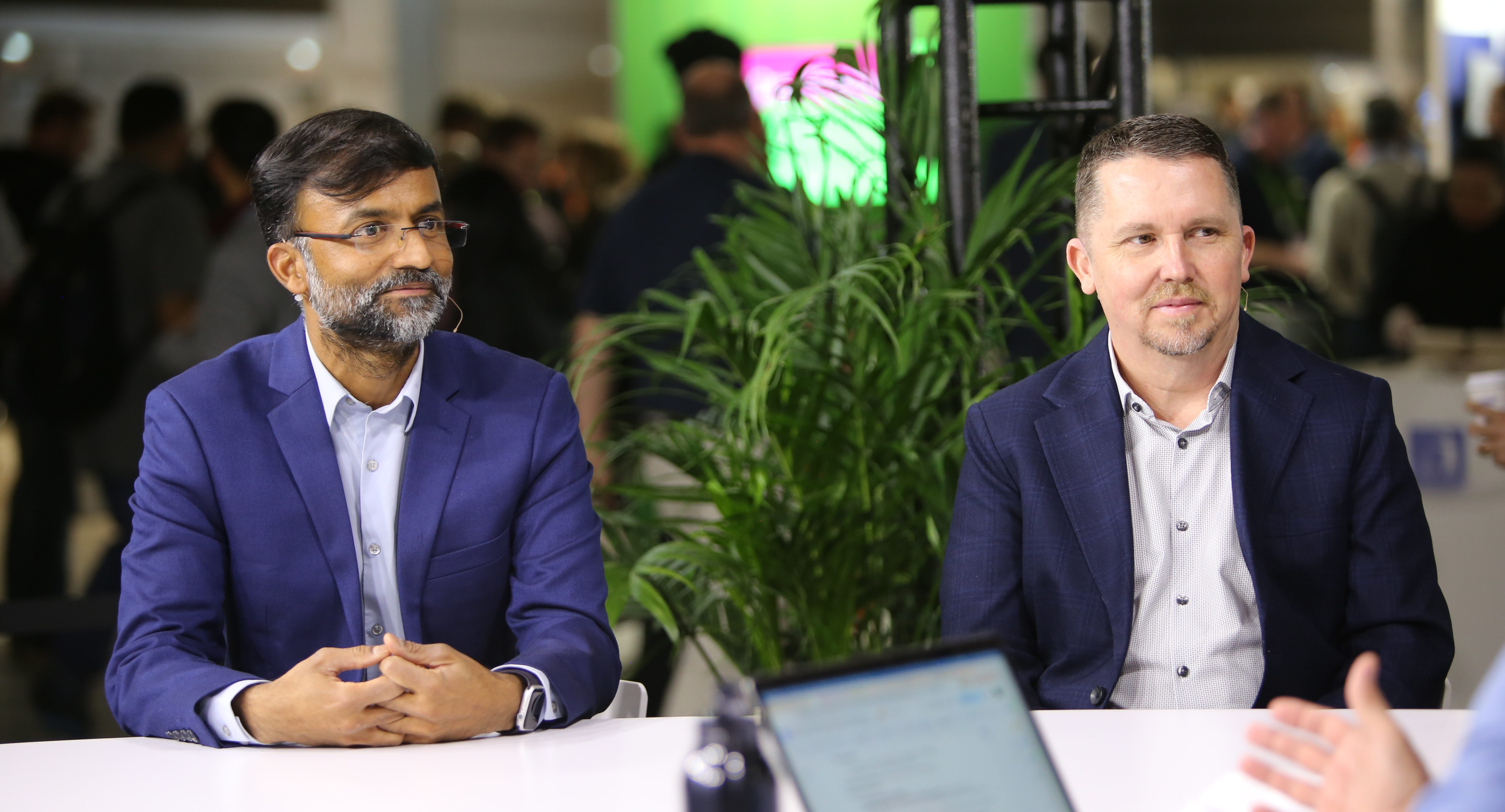
The university completed its migration to Nutanix Inc. infrastructure — including its Acropolis Hypervisor — years before enterprise procurement teams began stress-testing their VMware contracts, and well before predictions that cost pressures would drive 70% of enterprise VMware customers worldwide to migrate half their virtual workloads by 2028. The decision came down to contract timing, not market anxiety — yet the outcome was the same: a simplified foundation that has since become a model for what AI-ready replatforming can look like, according to Ty Peavey (pictured, right), director of infrastructure services at Dartmouth College.
“We were in a really unique situation where both our contracts with VMware and with our hardware vendors were coming to term at the same time,” Peavey said. “We did the typical [requests for proposals which] led to POCs, and we ultimately got to a place where it boiled down to between VxRail and Nutanix. We unanimously said, ‘Let’s go all in. Let’s go AHV.’”
Peavey and Deepak Goel (left), chief technology officer of cloud-native at Nutanix, spoke with theCUBE’s John Furrier and co-host Alison Kosik at Nutanix .NEXT, during an exclusive broadcast on theCUBE, SiliconANGLE Media’s livestreaming studio. They discussed Dartmouth’s VMware migration journey and the convergence of virtualization and AI-native workloads. (* Disclosure below.)
The great replatforming across enterprise IT has validated the operational model Dartmouth built through necessity. By collapsing a three-tier data center architecture into hyperconverged infrastructure, the university freed its 11-person infrastructure team to manage approximately 1,000 virtual machines and 600 containers without adding headcount, Peavey explained. Siloed roles — storage admins, Windows admins and Linux admins — gave way to generalist engineers comfortable across every layer of the stack.
“We found, once we were in, our staff was very comfortable — taking VM snapshots, cloning machines, building machines. We felt very at home very quickly,” Peavey said. “The fear was really all in our heads.”
The platform consolidation now positions Dartmouth for the next challenge: AI workloads. Containers and Kubernetes have become the natural home for agentic AI, functioning as the connective tissue between virtualized infrastructure and AI-native applications. The properties AI workloads demand, such as lightweight portability and on-demand scaling, are properties Kubernetes was already built to deliver, according to Goel. The decade-plus of foundational work by the Cloud Native Computing Foundation made that convergence possible.
“Agentic workloads, or AI workloads, found their home in containers and Kubernetes. The reason for that is it’s a very natural fit for the AI workloads. The properties that they look for are readily available in Kubernetes,” Goel said. “If you match the two natives — cloud-native, AI-native — it feels like we’re talking [about] one and the same thing.”
But the pace of AI infrastructure change is itself a variable organizations must account for. The pattern of rapid adoption followed by stabilization is a familiar one — even as the current hardware cycle moves faster than most enterprises can absorb, according to Goel. Virtualization and containers are not competing answers to that problem but complementary ones: Containers handle the speed and scale of AI workloads directly on hardware, while virtualization manages the isolation, security and lifecycle complexity underneath.
“New technology that comes in is adopted in a rush: ‘Let’s adopt it as quickly as possible,'” Goel said. “But then standardization and consistency follows.”
Here’s the complete video interview, part of SiliconANGLE’s and theCUBE’s coverage of Nutanix .NEXT 2026:
(* Disclosure: TheCUBE is a paid media partner for Nutanix .NEXT 2026. Sponsors of theCUBE’s event coverage do not have editorial control over content on theCUBE or SiliconANGLE.)
Support our mission to keep content open and free by engaging with theCUBE community. Join theCUBE’s Alumni Trust Network, where technology leaders connect, share intelligence and create opportunities.
Founded by tech visionaries John Furrier and Dave Vellante, SiliconANGLE Media has built a dynamic ecosystem of industry-leading digital media brands that reach 15+ million elite tech professionals. Our new proprietary theCUBE AI Video Cloud is breaking ground in audience interaction, leveraging theCUBEai.com neural network to help technology companies make data-driven decisions and stay at the forefront of industry conversations.