 AI
AI
AI
AI



AI

Quantum computing is moving from hype toward practical integration with high-performance computing and AI systems, driving greater quantum HPC integration.
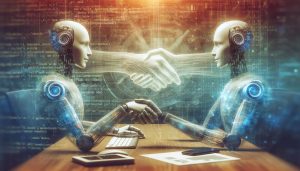
Throughout history, each wave of technological innovation has been expected to render the last one obsolete — but that may not be the case this time. Across leading research labs, a new consensus is forming: Quantum, HPC and AI are not rivals vying for dominance, but complementary forces that are far more powerful together than any one of them could ever be alone, according to Dave Vellante (pictured, right).
“This doesn’t seem like a zero-sum game,” Vellante said. “It’s really about bringing together these three powerful technologies, CPUs, GPUs and now quantum processors — or QPUs — to solve problems that couldn’t be tackled before.”
Vellante spoke with theCUBE’s Paul Gillin (left) as part of an AnalystANGLE segment at the HPE World Quantum Day event, during an exclusive broadcast on theCUBE, SiliconANGLE Media’s livestreaming studio. They discussed quantum HPC integration, the race to build software abstraction layers that make quantum accessible beyond the physics lab and why global supercomputing centers are betting on hybrid architectures over standalone quantum systems. (* Disclosure below.)
The question is no longer whether quantum computing will arrive, but where it belongs. Researchers are increasingly focused on threading quantum systems into existing infrastructures alongside supercomputers and GPUs, finding where they fit rather than where they dominate, according to Gillin.
“Researchers increasingly are aware of the limitations of quantum technology, and so they’re looking instead to bring them into the labs in a way that complements supercomputers and GPUs, rather than replaces them,” Gillin said. This comes as companies such as Hewlett Packard Enterprise Co. continue to invest heavily in hybrid quantum-classical computing infrastructure, positioning quantum as a natural extension of its HPC portfolio.
There is also a rising a need for a “Python for quantum” to simplify and democratize developer interactions with quantum systems, according to Gillin. It should allow developers to easily create a subroutine that goes to a quantum computer, performs something very complex, brings the result back and integrates it into the overall whole.
“What I took away from these interviews is that we are still almost in the Stone Age when it comes to developing software for quantum computers,” Gillin said. “Until that can be made more broadly available — until more people have access to quantum technology — it’s going to continue to be kind of a lab project.”
Here’s the complete video interview, part of SiliconANGLE’s and theCUBE’s coverage of the HPE World Quantum Day event:
(* Disclosure: TheCUBE is a paid media partner for the HPE World Quantum Day event. Neither HPE, the sponsor of theCUBE’s event coverage, nor other sponsors have editorial control over content on theCUBE or SiliconANGLE.)
Support our mission to keep content open and free by engaging with theCUBE community. Join theCUBE’s Alumni Trust Network, where technology leaders connect, share intelligence and create opportunities.
Founded by tech visionaries John Furrier and Dave Vellante, SiliconANGLE Media has built a dynamic ecosystem of industry-leading digital media brands that reach 15+ million elite tech professionals. Our new proprietary theCUBE AI Video Cloud is breaking ground in audience interaction, leveraging theCUBEai.com neural network to help technology companies make data-driven decisions and stay at the forefront of industry conversations.