 AI
AI
AI
AI



AI

Quantum computing is moving from theoretical promise to practical infrastructure, increasingly woven into high-performance computing environments through hybrid quantum-HPC computing approaches. For organizations still focused solely on AI, the window to start engaging with quantum is narrowing fast.
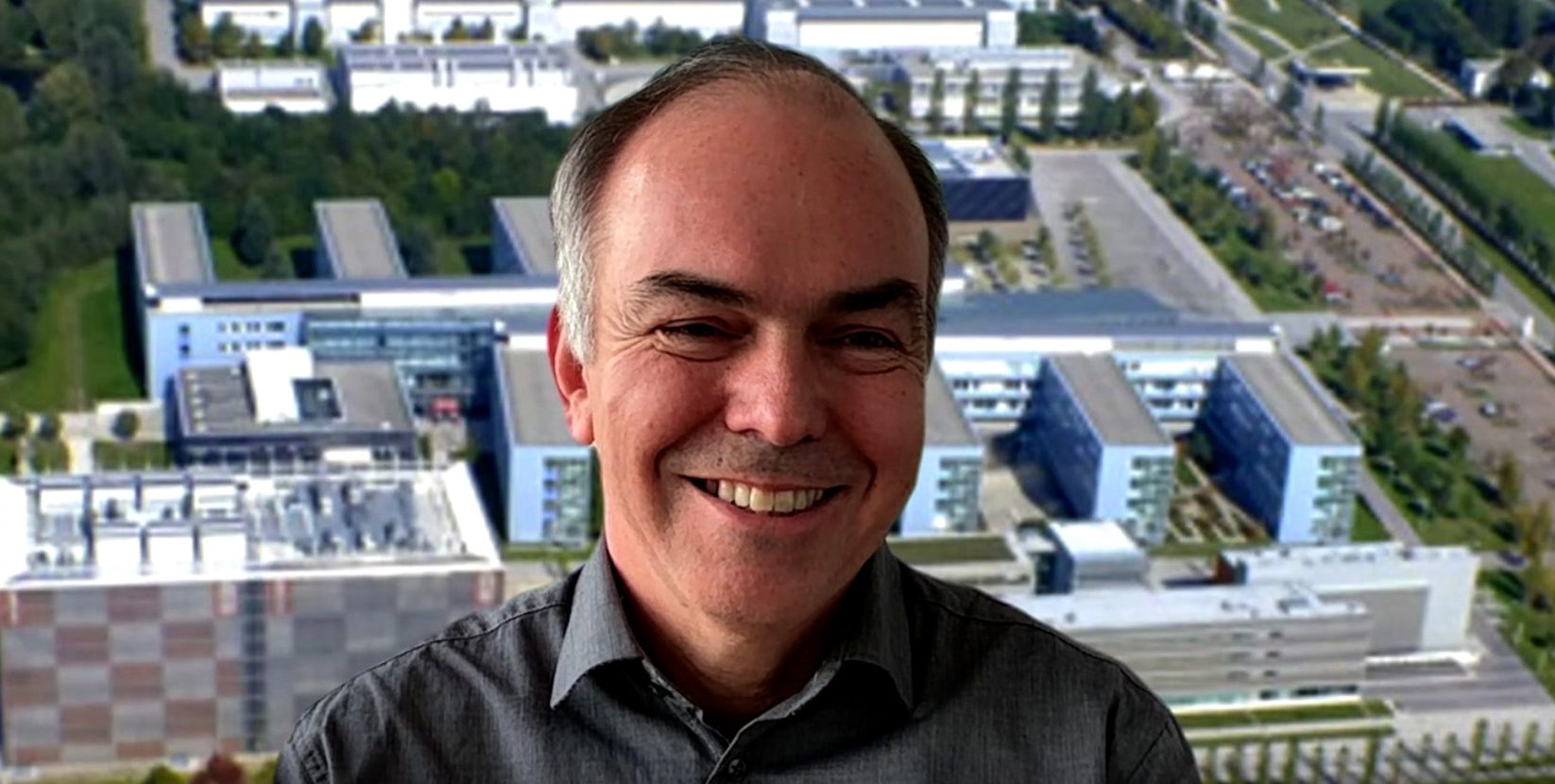
Quantum computing’s potential is great, stemming largely from the fact that its acceleration is exponential in nature. But many of these opportunities are still theoretical, and the path from quantum promise to quantum utility runs through proven infrastructure, according to Dieter Kranzlmüller (pictured), chairman of the board at the Leibniz Supercomputing Centre and professor of computer science at the Ludwig Maximilian University of Munich.
“In theory, the quantum computer can do anything a regular computer can do. There’s no question about that. The problem is we want to get there faster,” Kranzlmüller said. “For us, the solution is we’re not using the quantum computer as a standalone technology, but we are combining it with the most powerful technology that we have, which is supercomputing.”
Kranzlmüller spoke with theCUBE’s Dave Vellante at the HPE World Quantum Day event, during an exclusive broadcast on theCUBE, SiliconANGLE Media’s livestreaming studio. They discussed hybrid quantum-HPC integration and the push for European technological independence in quantum computing. (* Disclosure below.)
Supercomputers are not going anywhere, according to Kranzlmüller. They will continue handling the vast majority of workloads they excel at today, while quantum computers are reserved for the specific applications where they are already known to be superior.
“This means, in essence, that we are sending jobs to the supercomputer and the system decides whether it’s done on the supercomputer or whether it’s kind of given to the quantum computer,” he said. “I think that’s the important thing about why we do integration and why we believe we should combine both of these things together.”
That philosophy of purposeful integration extends to how Leibniz is designing its next supercomputer. Blue Lion is built on proven architecture, using general-purpose compute nodes and a dense array of accelerators, but designed from the ground up around the needs of its application users, according to Kranzlmüller.
“I’m also a person that doesn’t believe [that] the fastest supercomputer will be the best one, but instead the best supercomputer is [the one] that helps the applications to get the best performance that they need for their particular workloads,” he said.
Here’s the complete video interview, part of SiliconANGLE’s and theCUBE’s coverage of the HPE World Quantum Day event:
(* Disclosure: TheCUBE is a paid media partner for the HPE World Quantum Day event. Neither HPE, the sponsor of theCUBE’s event coverage, nor other sponsors have editorial control over content on theCUBE or SiliconANGLE.)
Support our mission to keep content open and free by engaging with theCUBE community. Join theCUBE’s Alumni Trust Network, where technology leaders connect, share intelligence and create opportunities.
Founded by tech visionaries John Furrier and Dave Vellante, SiliconANGLE Media has built a dynamic ecosystem of industry-leading digital media brands that reach 15+ million elite tech professionals. Our new proprietary theCUBE AI Video Cloud is breaking ground in audience interaction, leveraging theCUBEai.com neural network to help technology companies make data-driven decisions and stay at the forefront of industry conversations.