 AI
AI
AI
AI




AI

Enterprise AI transformation has a new home: the boardroom. Across financial services, CEOs are now demanding results, not more roadmaps.
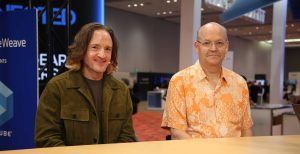
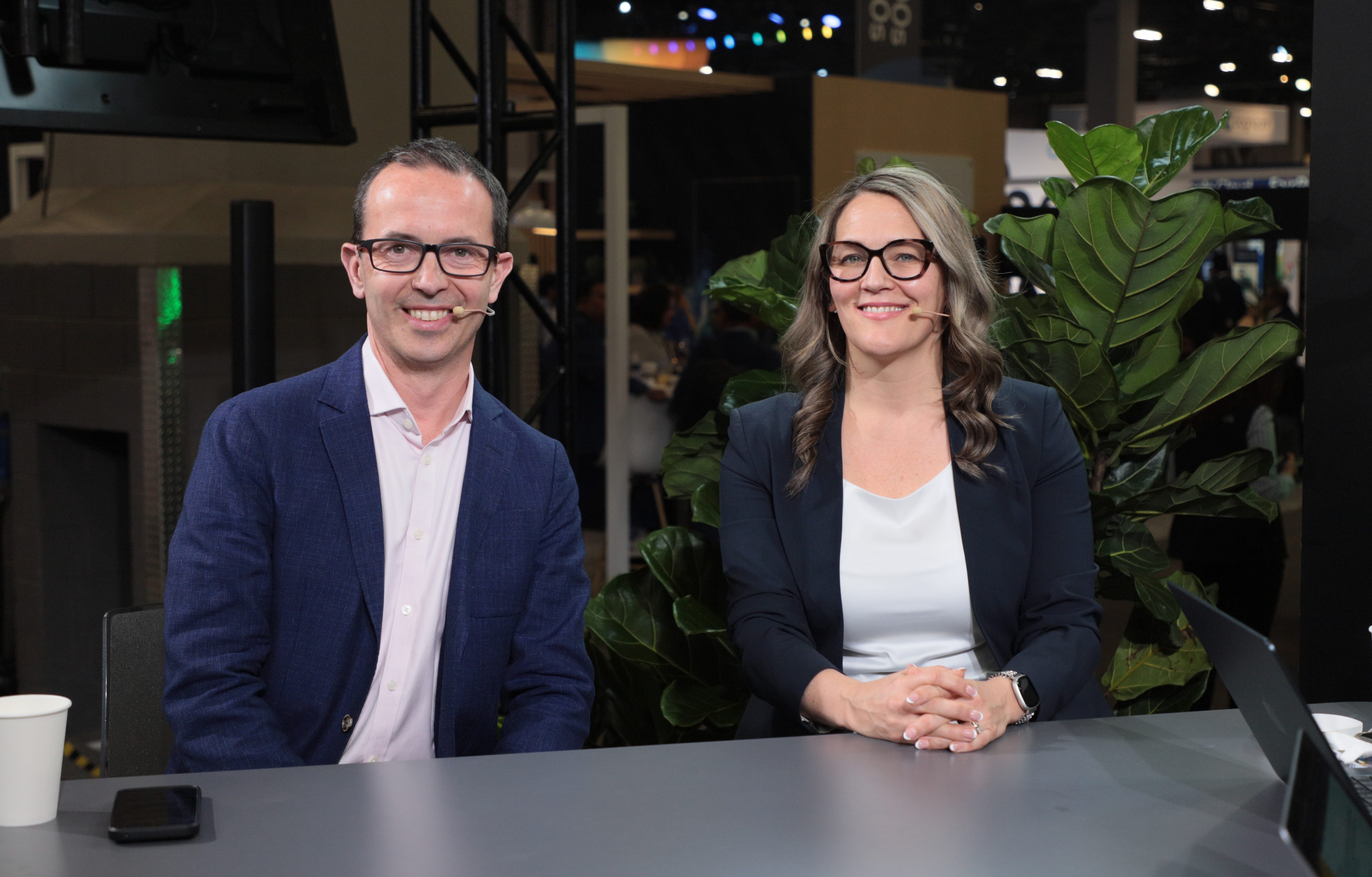
As Google Cloud Next 2026 packed Las Vegas with announcements — from the Gemini Enterprise Agent Platform to eighth-generation Tensor Processing Units — a clear theme emerged among systems integration partners: The era of tinkering is over. Governance, change management and measurable return on investment are now the defining challenges of enterprise AI transformation, according to Michelle Ambrose (pictured, right), senior vice president of the North American Google Cloud Unit at Endava PLC. But the window of opportunity is closing fast for organizations still on the sidelines.
“I think that the AI space is moving so fast that even if you’re not ready to go really big, if you are not starting now, in 12 months, we’re going to see certain industries … find leapfrog evolution in either what they can offer or how quickly they can do it,” Ambrose told theCUBE. “I think we’re going to still see disruption from things we just don’t even know yet.”
Ambrose and Richard Regan (left), chief technology officer of the Google Cloud Unit at Endava, spoke with theCUBE’s Rebecca Knight and Alison Kosik at Google Cloud Next, during an exclusive broadcast on theCUBE, SiliconANGLE Media’s livestreaming studio. They discussed enterprise AI transformation, agentic governance and the mindset shifts required to move from pilots to production at scale. (* Disclosure below.)
Endava, a technology services company with about 11,000 employees globally and a four-year Google Cloud premier partnership, has been an early launch partner for Gemini Enterprise, deploying the largest active Gemini Enterprise project in the U.K., according to Ambrose. The firm’s work spans financial services, insurance and payments sectors, where regulatory compliance and risk controls make governance as critical as any underlying model capability.
“What we’re seeing in a couple of customers in particular … [is that] it is now becoming increasingly a CEO-led, CIO-led business transformation conversation,” Ambrose said. “It’s not just about a technology. It’s about a mindset shift.”
That shift is rippling beyond the executive suite. The pace of change has reshaped how organizations think about workforce and capacity, Regan noted. With Google LLC CEO Sundar Pichai recently noting that 75% of all Google code is now written by agents, the implications for enterprise operating models are compounding quickly. The economic case for acting now is already compelling, even if AI capability hypothetically stopped advancing today.
“The technology that we have today — it doesn’t need to improve anymore,” Regan said. “If nothing happened, we could still have massive economic benefits just from what we have. But we know that all the labs are trying to improve it … It’s extremely exciting what’s going to happen, but also we can’t hold back. You have to really use it, strap in and look forward to see what happens.”
Here’s the complete video interview, part of SiliconANGLE’s and theCUBE’s coverage of Google Cloud Next:
(* Disclosure: Endava sponsored this segment of theCUBE. Neither Endava nor other sponsors have editorial control over content on theCUBE or SiliconANGLE.)
Support our mission to keep content open and free by engaging with theCUBE community. Join theCUBE’s Alumni Trust Network, where technology leaders connect, share intelligence and create opportunities.
Founded by tech visionaries John Furrier and Dave Vellante, SiliconANGLE Media has built a dynamic ecosystem of industry-leading digital media brands that reach 15+ million elite tech professionals. Our new proprietary theCUBE AI Video Cloud is breaking ground in audience interaction, leveraging theCUBEai.com neural network to help technology companies make data-driven decisions and stay at the forefront of industry conversations.