





 AI
AI
AI
AI

AI

Enterprises have figured out how to stand up AI agents, but agent management is another problem entirely.
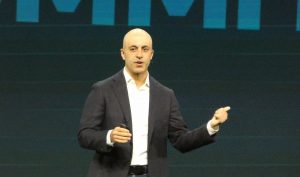
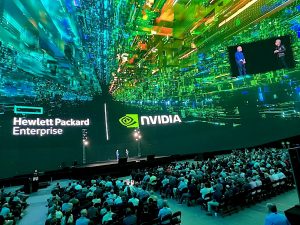
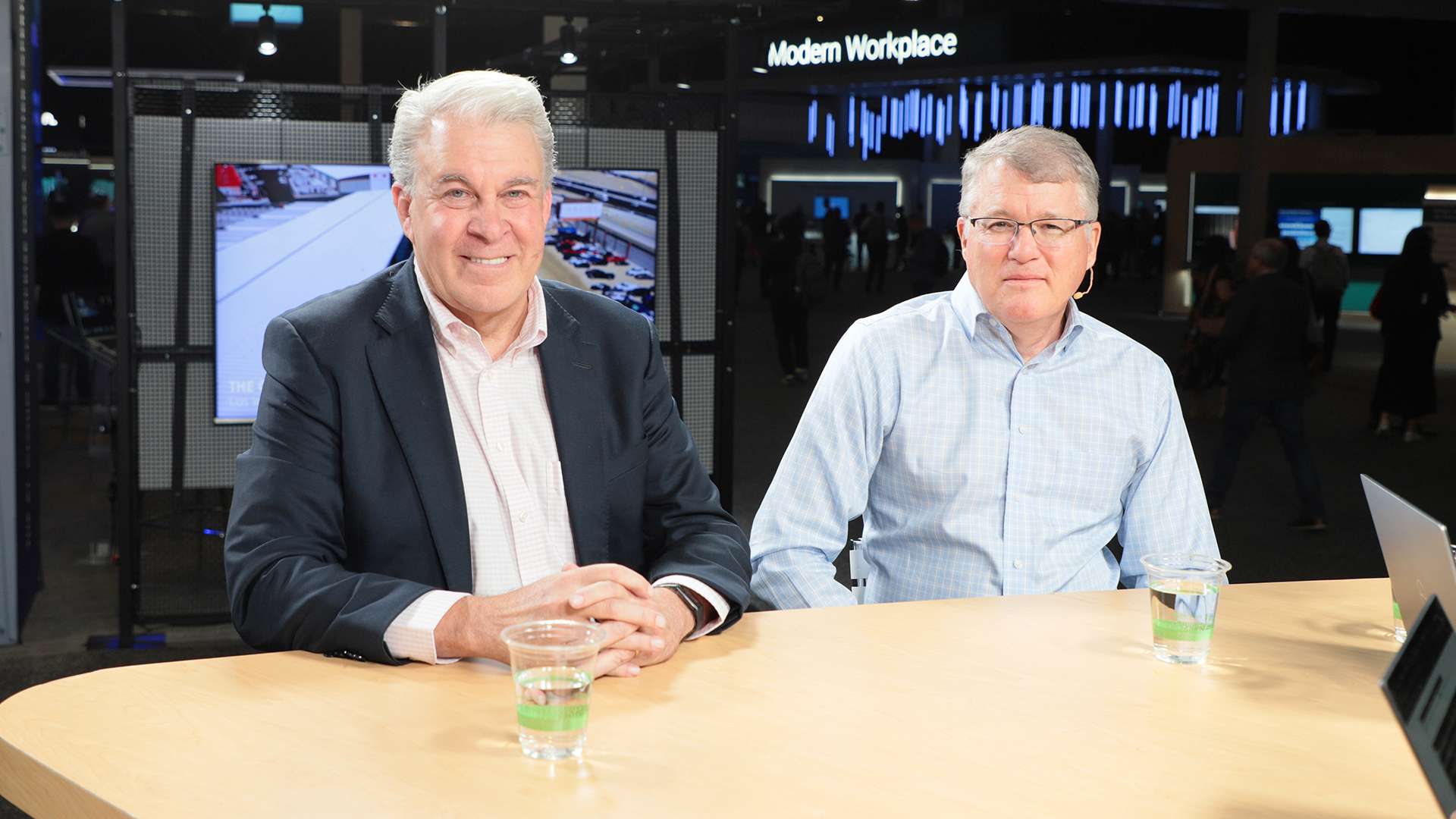
The agentic moment is forcing organizations to interrogate everything, including the operating and business models that underpin longstanding infrastructure. That is because agentic AI requires a fundamentally different approach to process design — not automating what exists today, but rebuilding workflows from a blank sheet, according to Doug Schmitt (pictured, right), chief information officer of Dell Technologies Inc. and president of Dell Technologies Services.
“Clearly, it’s the year of agent management — helping both our customers and delivering [agents] internally as well,” Schmitt said. “We’re seeing it live. We’re seeing it with our supply chain. We’re also seeing it with our development. Then, externally, what it’s gonna do for healthcare, for education, all of these great opportunities.”
Schmitt and Scott Bils (left), vice president of professional services at Dell Technologies Inc., spoke with theCUBE’s Dave Vellante and Gemma Allen at Dell Technologies World 2026, during an exclusive broadcast on theCUBE, SiliconANGLE Media’s livestreaming studio. They discussed agent management governance, token economics and how Dell’s dual role as customer zero and services provider gives it a unique vantage point with enterprise clients. (* Disclosure below.)
A critical insight emerging from Dell’s customer conversations is that early agentic deployments often look like sophisticated robotic process automation rather than genuine transformation — a pattern teams have had to actively correct internally before taking those lessons to customers, Schmitt explained.
“In some of the first agentic cases that we were looking at in services, they were pretty close to really just an RPA,” Schmitt said. “We were looking and asking people, ‘Okay, where do we want to use the agentic tech?’ They came back with what they were doing today and how they automate it. That’s not necessarily the correct way to do it. AI gives us a new way to think about things. We could actually reinvent the way we’re doing it, white sheet it, get it to AI-native, not just make it a super RPA.”
The real value of agent management lies in multiagent, end-to-end process transformation rather than point automation, Bils noted. Governance is a multi-layer challenge spanning compliance, security and data lineage — all of which must be addressed simultaneously. The framework Dell applies internally as customer zero — deciding where data resides, how governance is structured and which outcomes to optimize for — is then carried directly into customer engagements.
For example, Dell’s work with Sandisk Corp. illustrates what that end-to-end agentic transformation can deliver. Using a vision AI and internet-of-things combination deployed through the Dell AI Factory with Nvidia, Dell helped the manufacturer achieve 95% lights-out factory operations, a 45% reduction in CO2 emissions, a 32% cut in operating costs and defect rates dropped from 800 to 100 parts per million, Bils explained.
“At the end of the day, where the real value is gonna lie is in kind of end-to-end process and workflow transformation, particularly for multiagent types of deployment and environments,” Bils said. “It’s not about using agentic to automate what you have today. It’s about fundamentally rethinking — white sheet — a new way of thinking of process workflow and how you can drive that with agentic.”
Here’s the complete video interview, part of SiliconANGLE’s and theCUBE’s coverage of Dell Technologies World 2026:
(* Disclosure: TheCUBE is a paid media partner for Dell Technologies World 2026. Sponsors of theCUBE’s event coverage do not have editorial control over content on theCUBE or SiliconANGLE.)
Support our mission to keep content open and free by engaging with theCUBE community. Join theCUBE’s Alumni Trust Network, where technology leaders connect, share intelligence and create opportunities.
Founded by tech visionaries John Furrier and Dave Vellante, SiliconANGLE Media has built a dynamic ecosystem of industry-leading digital media brands that reach 15+ million elite tech professionals. Our new proprietary theCUBE AI Video Cloud is breaking ground in audience interaction, leveraging theCUBEai.com neural network to help technology companies make data-driven decisions and stay at the forefront of industry conversations.