 AI
AI
AI
AI








AI

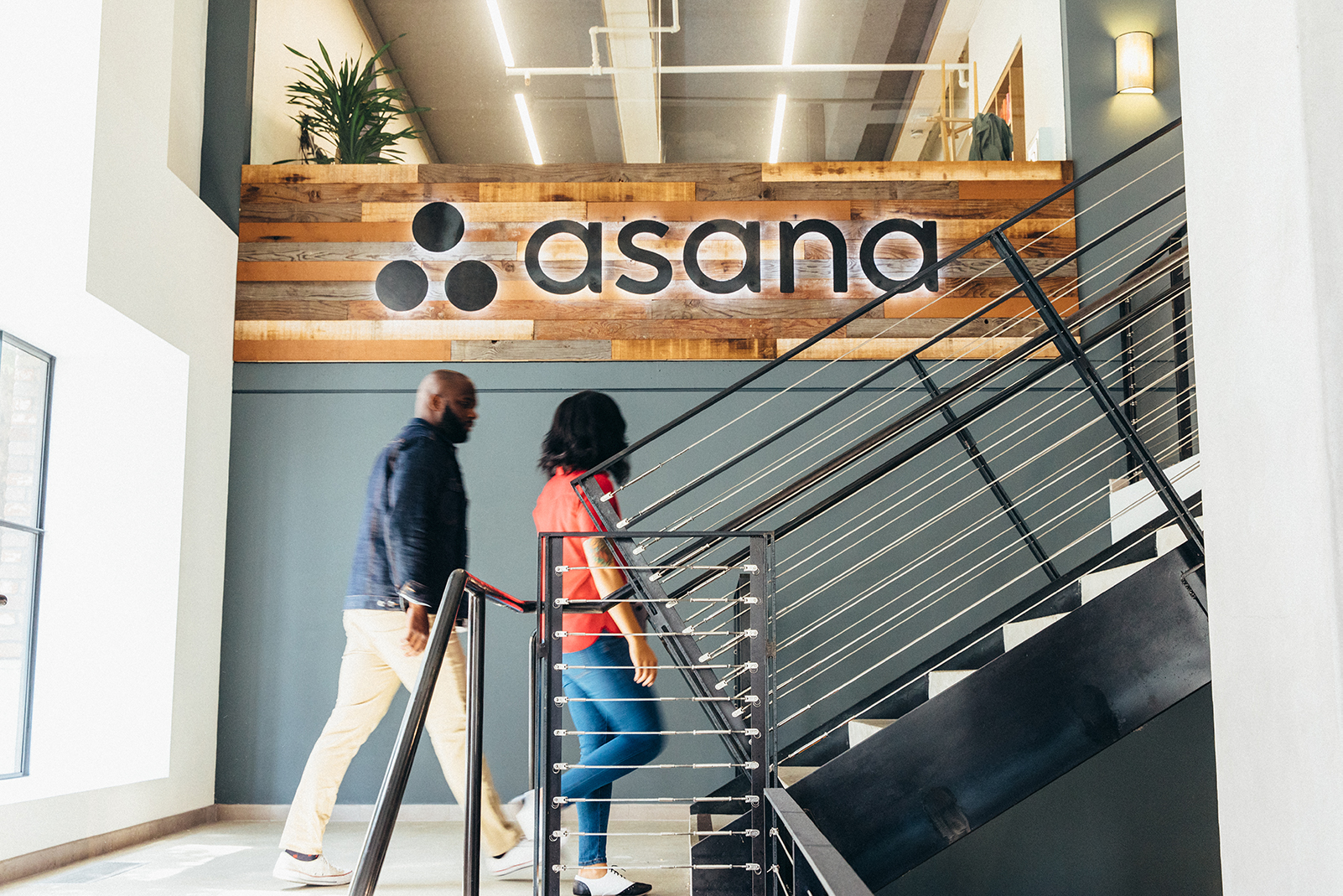
Work management software company Asana Inc. today said it has completed the acquisition of StackAI Inc., a no-code platform for building artificial intelligence agents, in a deal that adds the ability to run automated workflows across the separate enterprise systems where companies keep their data.
Terms were not disclosed.
Based in San Francisco, StackAI sells software that lets companies design, test, deploy and govern custom AI agents without writing code. The platform connects to enterprise applications such as those from Salesforce Inc., Oracle Corp., DocuSign Inc. and Amazon Web Services Inc., then reads and writes data across them so a single workflow can move through multiple systems on its own. StackAI says customers in financial services, healthcare and professional services use it to automate processes including customer support, information technology service requests and compliance reviews.
Asana plans to use StackAI’s technology to extend its own push into agent-driven work. The company has spent the past year positioning its platform as what it calls the operating system for human-agent teams, built around AI Studio for automating repetitive processes and AI Teammates, agents that can be assigned tasks the way a manager assigns work to staff. StackAI adds the execution layer that carries those workflows into outside systems, with Asana supplying the project context, ownership records and approvals that govern them.
The acquisition pairs cross-system execution with the place teams already plan and track work, Asana said. AI Teammates act as the connection, pulling context from Asana into StackAI workflows and sending the resulting actions back.
“This acquisition accelerates our roadmap and marks the next phase of human-agent work,” Chief Executive Dan Rogers said in a statement. “StackAI now lets them go further, agentifying the most complex business processes end-to-end, across every system and tool their business runs on.”
StackAI was founded by Tony Rosinol and Bernard Aceituno, both of whom hold doctorates from the Massachusetts Institute of Technology. Both join Asana as part of the deal. The product will continue to operate under its own brand.
“General-purpose agents talk; specialized agents act,” Rosinol said. “Joining Asana is the moment our offering scales. We bring the cross-system workflow engine, Asana brings a company’s entire business context, memory, team workflows and governance.”
Asana disclosed the acquisition alongside its fiscal 2027 first-quarter results. Adjusted earnings came in at 10 cents per share, up from five cents a year in the same quarter of the previous year, and revenue rose almost 10% year-over-year, to $205.1 million, topping the high end of the company’s own guidance. Analysts were expecting seven cents per share on revenue of $203.9 million.
The company narrowed its reported losses, posting a net loss of $14.4 million, or six cents per share, against a $40 million loss in the same quarter of the previous fiscal year. Adjusted operating margin reached a record 11.5%, up from 4.3%. Asana ended the quarter with 26,103 customers spending $5,000 or more a year, up 7% year-over-year, and 817 spending at least $100,000, up 12%.
For its fiscal second quarter, Asana expects revenue of $213 million to $215 million. The company also lifted its full-year revenue guidance to a range of $855.5 million to $863.5 million, with the StackAI deal expected to add about 50 basis points of growth. Asana’s share price rose more than 3% in late trading.
Support our mission to keep content open and free by engaging with theCUBE community. Join theCUBE’s Alumni Trust Network, where technology leaders connect, share intelligence and create opportunities.
Founded by tech visionaries John Furrier and Dave Vellante, SiliconANGLE Media has built a dynamic ecosystem of industry-leading digital media brands that reach 15+ million elite tech professionals. Our new proprietary theCUBE AI Video Cloud is breaking ground in audience interaction, leveraging theCUBEai.com neural network to help technology companies make data-driven decisions and stay at the forefront of industry conversations.