 AI
AI
AI
AI






AI

Asana Inc. announced today during the company’s Work Innovation Summit in London the launch of a new product suite that helps organizations manage work by humans and artificial intelligence agents using the same plan.
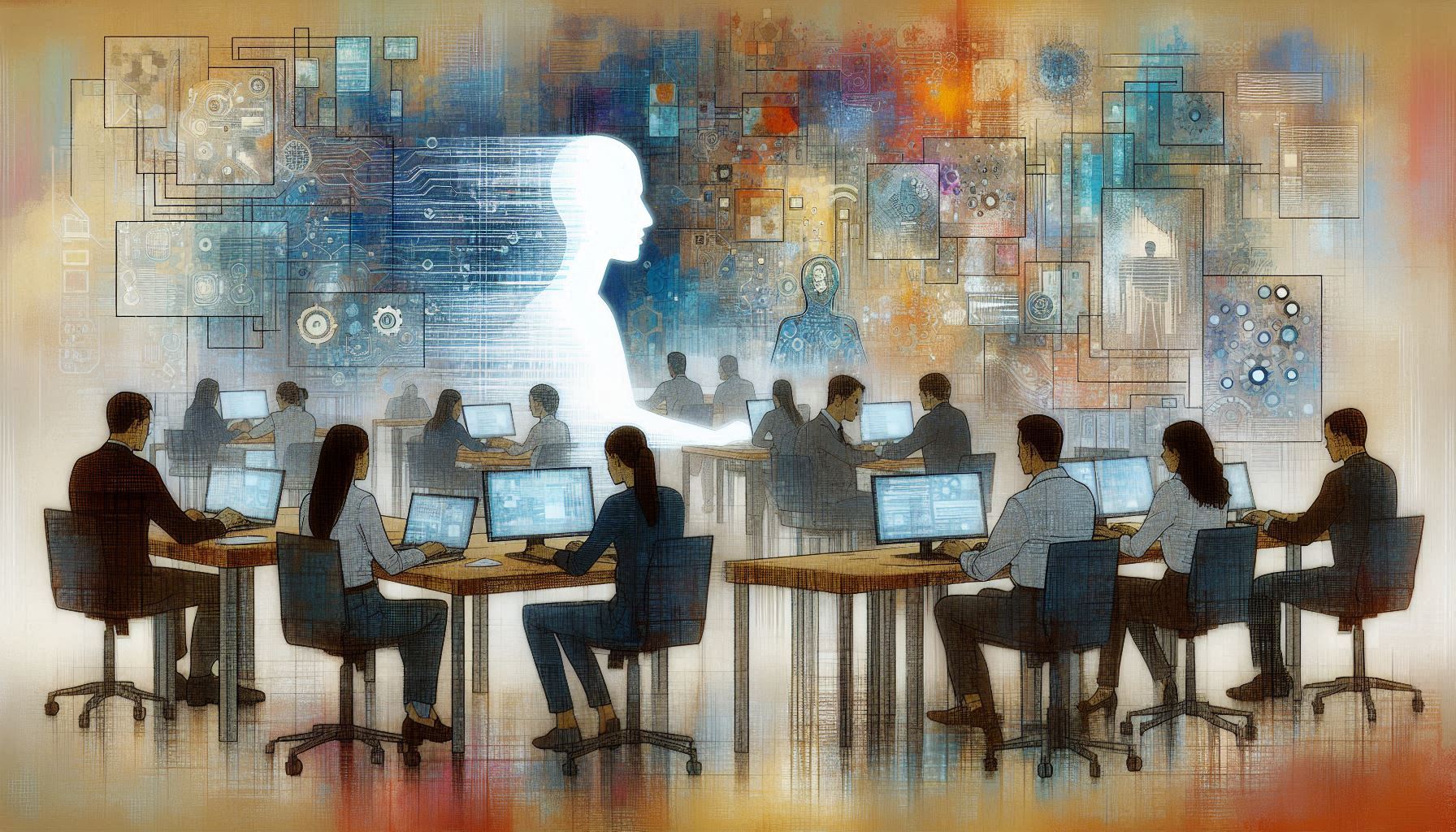
Calling the suite an operating system for human-agent teams, Asana unveiled Agentic Work Management. This new set of tools includes three key parts: a chief of AI staff for every Asana user, three new applications for teams and a new generation of AI teammates.
Rounding out the management and coordination side of the equation, Asana rolled out Dash. This AI agent acts as a layer-shared system for employees that understands goals, priorities and what work needs attention across teams and tools. With this kind of broad view, it can help work move along in a shared system where teams operate by letting humans manage what they do best and tracking what falls through the cracks.
This means picking up meetings, Slack threads, emails and other unstructured messaging through the Work Graph automatically. Decisions and follow-ups become normalized, instead of something that disappears into the back of inboxes. That way, digital teams act together, instead of falling behind.
The Asana Work Graph is a data model created by the company that maps an organization’s tasks, projects, goals and relationships. Unlike traditional tools, which are “task-based,” where only one task can live in a static folder, the Work Graph allows for one-to-many relationships, meaning that any single task or project can be tracked across multiple networks simultaneously.
Dash will also learn to route particular alerts and actions to the correct employee or AI agent so that they stay in the know about specific tasks that need managing, so that projects stay on track.
As every new generation of AI models rolls out, so do the harnesses for AI agents. Asana has also refined the personalities, intelligence and capabilities of its AI teammates.
Initially launched in 2024, the company debuted AI teammates as generative AI-enabled bots that could automate tasks for human employees. Today, the company is updating them with enhanced capabilities. There’s a new skills library of repeatable patterns, integrations and a new chat-based front-door that can surface the right teammate to handle the job at hand.
More than 10 new integrations have been added, including Gmail, Outlook, Slack, HubSpot, Figma and Canva. These allow teammates to handle multistep work across the tools that teams already use day-to-day to get their jobs done. That means AI teammates can operate alongside them just like other employees, allowing them to watch work and help automate tedious activities such as report compilation and data collection.
The company also said it’s expanding its portfolio with industry-specific AI teammates, which are prebuilt with domain knowledge. These include agents that are fine-tuned to support work in high-value industries such as manufacturing and retail.
For teams who work in specific coordinated environments, such as service management, product development and client management, Asana is packaging this new agentic operating system into specialized systems.
Asana Service Management provides a self-learning knowledge base for information technology, human resources, facilities and other service teams by unifying ticketing and project execution. Asana can move from ticket to project without losing context, allowing for rapid request resolution.
Command helps reduce developer frustration by freeing up their time for more impactful work through automatically generating tickets, grounded from the codebase, specs and past decisions. It orchestrates work across agents that do more than just coordinate on a single platform. They look ahead to uncover potential risks proactively and recommend next steps for review to avoid them.
Asana Client Management assists with coordination when adding new clients using a branded portal for client intake, staging projects, producing deliverables and communicating status updates. It uses the Work Graph to provide a deep understanding of where a team stands, helping agencies work faster, take on more clients and maintain trust.
Support our mission to keep content open and free by engaging with theCUBE community. Join theCUBE’s Alumni Trust Network, where technology leaders connect, share intelligence and create opportunities.
Founded by tech visionaries John Furrier and Dave Vellante, SiliconANGLE Media has built a dynamic ecosystem of industry-leading digital media brands that reach 15+ million elite tech professionals. Our new proprietary theCUBE AI Video Cloud is breaking ground in audience interaction, leveraging theCUBEai.com neural network to help technology companies make data-driven decisions and stay at the forefront of industry conversations.