 AI
AI
AI
AI


AI

A venture-backed startup is introducing a new milestone to the startup playbook: reserving a stock ticker symbol years before an initial public offering.
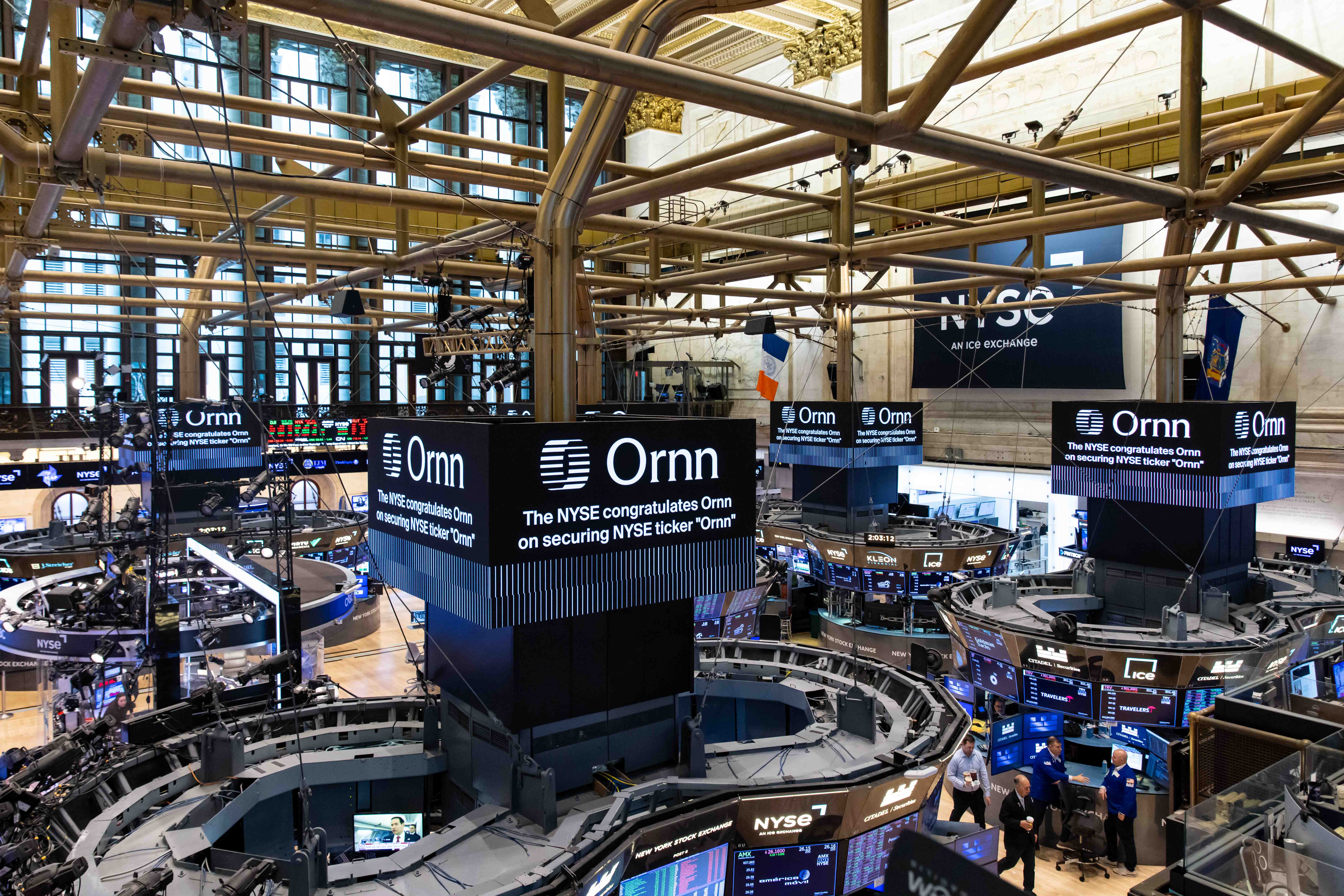
Ornn AI Inc., a company focused on bringing transparency to artificial intelligence compute markets, announced today that it has reserved the ticker symbol “ORNN” on the New York Stock Exchange. The reservation was facilitated by 021T Capital, the venture firm that backs Ornn, as part of what the firm and NYSE anticipate will be an ongoing collaboration to reserve ticker symbols for additional early-stage portfolio companies.
While ticker reservations traditionally occur shortly before a public listing, Ornn’s reservation is intended to serve a different purpose — a public declaration of long-term intent to become a public company.
The move is being positioned as what its backers describe as the first “early-stage ticker symbol” model, a framework that could allow startups to signal public-market ambitions long before they reach IPO scale.
The concept arrives at a time when many of the world’s most valuable technology companies remain private for far longer than previous generations. While companies once viewed going public as a natural destination, today’s startups often stay private through multiple funding rounds, pursue acquisitions or rely on secondary markets to provide liquidity.
Supporters of the early-stage ticker model argue that this shift has changed not only who participates in value creation, but also how companies are built.
“A company that assumes it will be acquired thinks like a feature. A company that assumes it will go public thanks like an institution. The ticker on the wall changes which one you’re building,” said Dr. Alex Wissner-Gross, an investor and entrepreneur who advises and helped form form Ornn with backing from 021T Capital.
Wissner-Gross argues that companies expecting to become public institutions make different decisions than companies optimized primarily for acquisition or short-term liquidity events.
“Sarbanes-Oxley raised the cost of being public,” he said. “The JOBS Act removed the regulatory pressure to go public. Private mega-rounds removed the financial need. Every incentive in the system now points away from public markets, and that is exactly why a counter-signal matters.”
At its core, the early-stage ticker model is designed to create a new corporate milestone. Rather than viewing a ticker symbol as the final administrative step before an IPO, proponents see it as an early signal of institutional intent, a commitment that a company is being built to eventually participate in public markets.
The idea draws on a long history of public ownership in American innovation.
For much of modern economic history, public markets served as the primary mechanism through which ordinary investors participated in technological progress. Railroads, telecommunications companies and later technology giants such as Apple Inc., Amazon.com Inc., and Google all reached public markets relatively early in their growth cycles, allowing broad participation in decades of value creation.
Over time, however, that dynamic changed.
Regulatory burdens, expanding pools of private capital, and increasingly large venture financing rounds enabled companies to remain private for longer periods. As a result, many of the most valuable technology companies now achieve substantial portions of their growth before public investors gain access.
“The Edward Calahan invented the ticker symbol in 1867 as a compression protocol for the telegraph,” Wissner-Gross said. “It democratized access to market information. We are using the same artifact to democratize access to market participation. That is what the early-stage ticker model is about.”
The early-stage ticker model is intended as a response to that trend.
Rather than waiting until a company is preparing to list, the framework encourages founders to establish a public-market identity earlier in their lifecycle. Advocates believe doing so could influence corporate culture, governance decisions and long-term strategy by reinforcing the expectation that a company is being built as a durable institution rather than a future acquisition target.
Ornn serves as the first test case for the concept. The company, backed by 021T Capital, has spent the past year building market infrastructure around AI computing resources, including a tradable compute-price index and compute-related futures contracts launched through Intercontinental Exchange Inc., parent company of the New York Stock Exchange.
Its latest move extends that effort beyond AI infrastructure and into capital-market infrastructure. The symbolism is deliberate. A company focused on increasing transparency in one of the most important emerging markets of the AI era is simultaneously signaling its intention to eventually subject itself to the transparency requirements of public ownership.
More importantly, Ornn’s reservation may not be a onetime event. 021T Capital and NYSE anticipate an ongoing collaboration to reserve ticker symbols for additional early-stage companies in the 021T portfolio, creating what could become a new category of startup milestone alongside seed financing venture rounds, and product launches.
“SEC Chairman Atkins has made ‘Make IPOs Great Again’ his stated agenda,” Wissner-Gross said. “He has argued that going public should not be reserved for unicorns. We agree. The early-stage ticker model is a private-sector complement to that regulatory vision.”
The broader goal is to restore what advocates view as a lost connection between innovation and public participation.
As AI companies continue to achieve unprecedented scale in private markets, the debate over who benefits from technological progress is becoming increasingly important. The early-stage ticker model suggests one possible answer: encourage companies to think like future public institutions from the moment they are founded.
Whether the concept gains broader adoption remains to be seen. But by reserving a ticker years before any planned IPO, Ornn and 021T Capital have introduced a new idea into startup culture — that a ticker symbol may be more than a listing requirement. It may be a declaration of intent.
Support our mission to keep content open and free by engaging with theCUBE community. Join theCUBE’s Alumni Trust Network, where technology leaders connect, share intelligence and create opportunities.
Founded by tech visionaries John Furrier and Dave Vellante, SiliconANGLE Media has built a dynamic ecosystem of industry-leading digital media brands that reach 15+ million elite tech professionals. Our new proprietary theCUBE AI Video Cloud is breaking ground in audience interaction, leveraging theCUBEai.com neural network to help technology companies make data-driven decisions and stay at the forefront of industry conversations.