 SECURITY
SECURITY
SECURITY


SECURITY

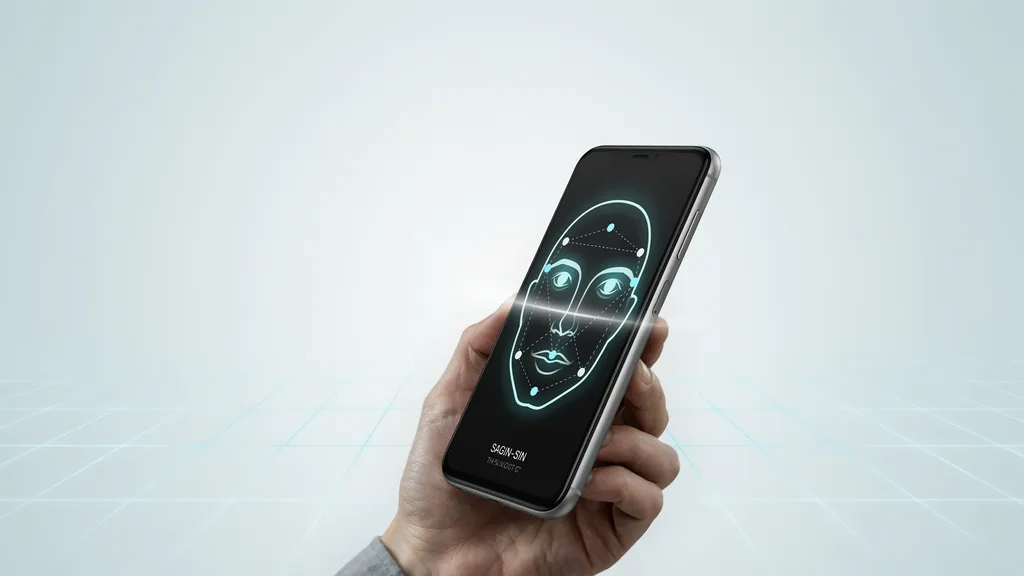
Google LLC today added a new sign-in option for its accounts: a short selfie video that Google uses to confirm a user’s identity when the usual login fails.
The target is account recovery, the situation where a user cannot get to an account they own. Google is presenting the selfie as an addition to existing sign-in methods, not a replacement. The company has long urged account holders to set up more than one way in.
Setup involves looking into a device camera and completing a few guided head movements that capture the face from multiple angles. The video is stored, and if users later have trouble signing in, they record fresh selfies that Google compares against the enrolled version to confirm identity and restore access.
The idea is that it’s a fallback for the moments most likely to lock people out, such as a lost or stolen phone, a forgotten password or a sign-in attempt on a borrowed device. Google frames the stakes in terms of what an account holds, from photos to emails and documents, and has steadily added recovery paths as it has phased out reliance on a password alone.
Control over the video sits with the user. Google said the selfie is recorded and stored only with consent, can be deleted at any time from within the Google account and is used solely for sign-in unless the user opts to share it for other purposes. The video is also encrypted at rest.
Security is where Google spends most of its explanation. The company says the method resists impersonation from fake photos and AI-generated deepfakes. A new selfie is checked against the saved one. The system also requires a few head movements, a liveness test meant to rule out a still image or a clip recorded in advance. On top of that, Google runs its standard checks for suspicious sign-in attempts.
The selfie option builds on other sign-in and recovery tools Google has rolled out as it moves users away from passwords, including passkeys and recovery contacts. Google began supporting passkeys for personal accounts in 2023 and said in 2024 that its systems had surpassed 1 billion passkey authentications.
The feature is rolling out as an opt-in method. Users can check whether their account is eligible and set up a selfie video at g.co/signin-selfie.
Support our mission to keep content open and free by engaging with theCUBE community. Join theCUBE’s Alumni Trust Network, where technology leaders connect, share intelligence and create opportunities.
Founded by tech visionaries John Furrier and Dave Vellante, SiliconANGLE Media has built a dynamic ecosystem of industry-leading digital media brands that reach 15+ million elite tech professionals. Our new proprietary theCUBE AI Video Cloud is breaking ground in audience interaction, leveraging theCUBEai.com neural network to help technology companies make data-driven decisions and stay at the forefront of industry conversations.